Technology
Brisbane Tech Leaders Launch Three-Year Plans Reshaping City Innovation
From Fortitude Valley to the South Bank precinct, Queensland's innovation companies are finalising roadmaps that will shape how the city works, moves and connects by 2029.
How we reported this
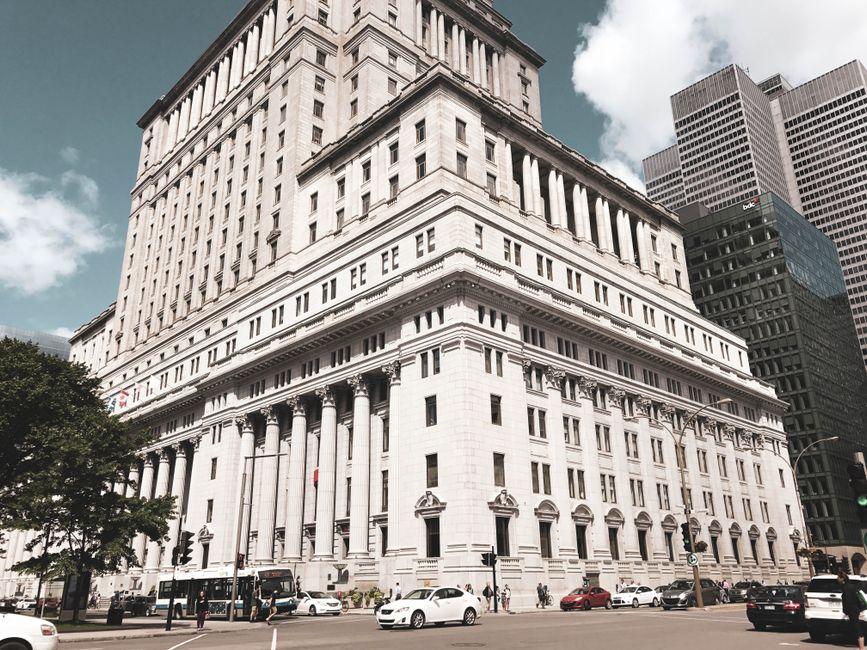
Brisbane's technology sector is entering its most ambitious product cycle in a decade. Across the inner city and emerging clusters in the western suburbs, companies incubated through Queensland's post-Olympic investment wave are moving from prototype to commercial release, and several are targeting global markets by the end of 2027.
The timing matters because Brisbane's infrastructure spending is cresting. The $7.1 billion Cross River Rail project reaches full operational capacity next year, and the city's population is projected to hit 2.8 million by 2028. Every one of those conditions creates a commercial opening. Transport tech, urban sensing, climate management software, the pipeline is crowded, and the companies building it know the window is narrow.
What's Coming Out of the Valley and South Bank
The epicentre right now is the Fortitude Valley precinct, specifically the block between Brunswick and Ann Streets that houses River City Labs, one of Australia's most active startup accelerators. At least four companies inside the facility are deep in final-stage product development. One is building an AI-assisted fleet coordination platform aimed at Brisbane City Council's bus network. Another is developing an edge-computing device for environmental monitoring, think sensors embedded in creek infrastructure to provide real-time flood data ahead of storm events, a direct response to the February 2022 floods that caused more than $2.5 billion in damage across Greater Brisbane.
Down at South Bank, the Queensland AI Hub, officially launched in March 2025 with $42 million in state government backing, has cohort three of its accelerator program wrapping up in September. Hub administrators confirmed this week that six of the twelve cohort companies are on track for product launches before December. The hub sits adjacent to the Queensland Museum precinct on Grey Street, which has become something of an unofficial technology corridor over the past two years.
Hardware is also having a moment. The global conversation about programmable input devices, small, configurable controllers that replace the sprawl of keyboard shortcuts and app-switching, has reached Brisbane developers who are watching international products land and asking why Queensland manufacturers aren't in that space. One Bowen Hills-based firm, which has been quietly prototyping a modular hardware controller designed for industrial site management, is eyeing a limited commercial release in Q1 2027 at a price point around $380 AUD per unit.
The Roadmap Numbers That Actually Tell the Story
Queensland's Department of Science and Innovation published its Digital Economy Strategy update in May, projecting the state's tech sector will contribute $25 billion to gross state product by 2030, up from $17 billion in 2024. That six-year growth target is aggressive. Meeting it requires companies currently at seed or Series A to reach commercial scale, which is precisely what the next 18 months of product launches are designed to deliver.
Cybersecurity is one area where Brisbane firms are moving fast, partly because the global environment is forcing their hands. Spyware vulnerabilities and device compromise, problems that have rattled European parliaments and American contractors alike, are now a standard part of enterprise risk conversations in Brisbane's CBD. At least two firms operating out of the 1 William Street tower precinct have roadmapped dedicated mobile threat-detection products for launch in mid-2027, targeting government and resources sector clients.
Browser and software diversity is another undercurrent. As enterprise clients in Brisbane reassess their dependency on dominant US platforms, a conversation that has accelerated through 2026, local software firms are packaging alternatives. One Newstead company has a productivity suite in beta testing with three Queensland government departments right now, aiming for broader rollout in early 2027.
For anyone tracking this sector closely, the next checkpoint is the Brisbane Innovation Festival, scheduled for late October at the Brisbane Convention and Exhibition Centre. That event has historically served as the launch pad for products that are six-to-twelve months from market. This year's program is expected to be the largest since the festival's 2019 debut. Companies with products in final development are already securing floor space. The roadmaps are done. The builds are running. The launches are coming.