community
Brisbane's Best Season: Winter Offers Crisp Clarity, Summer Brings Intensity
From the crisp clarity of mid-year winter to the humid intensity of peak summer, here is how to time your movements across the city.
How we reported this
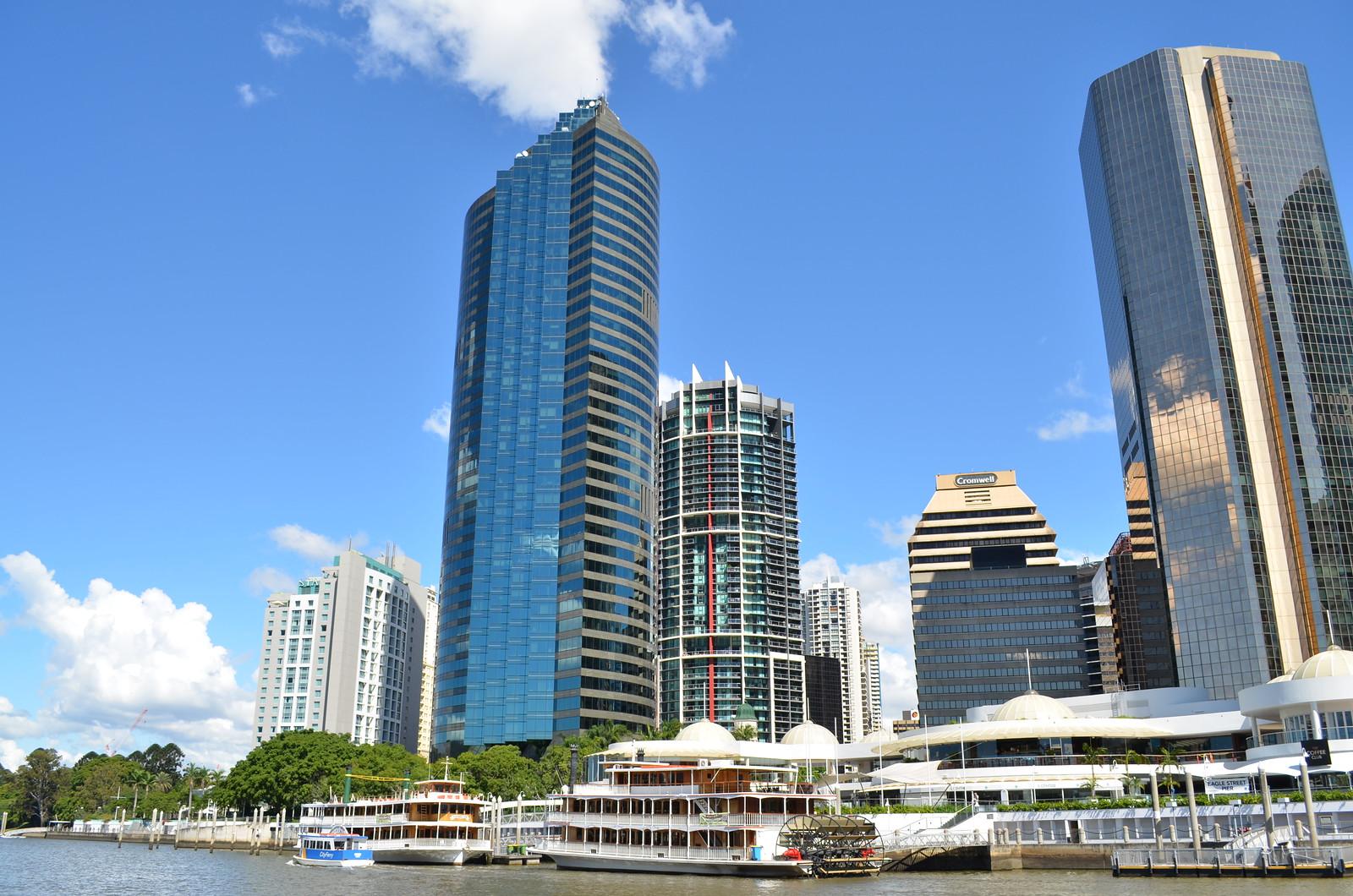
Brisbane’s weather patterns dictate the rhythm of the city, shifting from mild, sun-drenched winter days to the high-energy, storm-prone intensity of the summer months. With 261 annual sunshine days, the city rarely sits idle, but knowing when to head to the cliffs or when to retreat to the festivals defines how you experience the region.
The Winter Advantage
Between June and August, temperatures consistently hover between 10-20°C, creating a window for outdoor movement that is hard to replicate elsewhere. This is the prime period for whale watching, an activity best suited to the cooler months ending in September. For those staying within city limits, the Kangaroo Point Cliffs remain a hub for rock climbing, while the Brisbane River becomes a primary artery for kayaking. If the budget is a concern, the city offers a variety of free options, including hiking Mt Coot-tha, strolling through the City Botanic Gardens, or catching live music performances under programs like Bands in Parks and City Sounds. For a different pace, the local library network runs workshops, and the city’s heated Council pools offer a climate-controlled alternative for swimmers.
Managing the Heat and Crowds
As the year progresses into the shoulder seasons of spring and autumn, specifically September and May, the humidity drops, making these months the standout choices for dining and cultural festivals. September is a particularly active month, marked by the Brisbane Festival, which concludes with the pyrotechnic display of Riverfire. This follows the August bustle of the Royal Queensland Show, or the 'Ekka,' held at the Brisbane Showgrounds, which serves as a landmark event for the winter calendar with its mix of agricultural shows, carnival rides, and fireworks.
Summer, spanning December through February, brings a distinct shift in both climate and activity. This is the time of high humidity and afternoon thunderstorms, yet it remains the peak season for major public celebrations. Activities ranging from Christmas festivities and New Year's Eve fireworks to the Laneway Festival in February and the cultural food stalls at the Paniyiri Greek festival define the hot-weather calendar. Whether you are navigating the transition from winter's mild outdoor focus to the humid, event-heavy summer cycle, keeping an eye on the seasonal shifts allows you to plan around the best of what the city provides.