community
Brisbane's Seasonal Highlights: Whales, Jacarandas, and Year-Round Adventures
From winter whale migrations to the peak of the Jacaranda bloom, here is how to navigate the city’s shifting climate through the year.
How we reported this
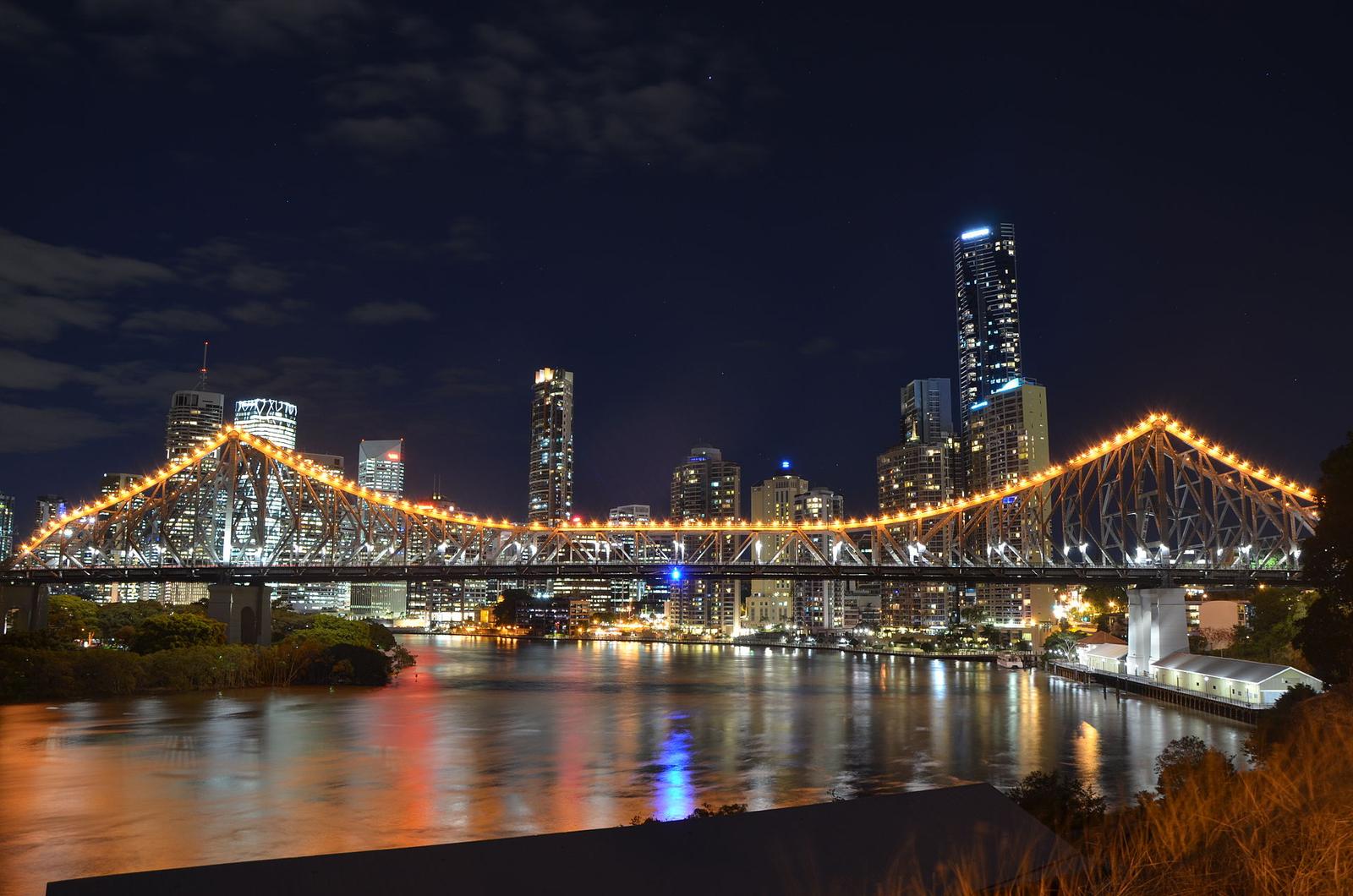
Brisbane residents are currently in the thick of the mid-year window, a period defined by mild temperatures, low humidity, and clear blue skies. According to Australia.com, this winter season-running from June through August-offers the most favorable conditions for the city's outdoor lifestyle. The mercury typically rests between 10°C and 20°C, providing a reprieve from the tropical heat that dominates the summer months [1, 3].
With 261 days of sunshine annually, the current climate is designed for activity rather than indoor confinement. For those looking to capitalize on the weather, the Kangaroo Point Cliffs remain a staple for rock climbing, while the Story Bridge Adventure Climb offers a perspective on the river that is difficult to match at other times of the year [1, 3]. Hiking Mt Coot-tha also proves more accessible during these cooler, drier weeks, avoiding the intensity of the wet season [1, 3].
Winter Highlights and Seasonal Transitions
The colder months bring a distinct set of local traditions. Whale watching for migrating humpbacks is a primary draw from June through September, while King George Square transforms with its winter ice skating setup [2, 3]. Culinary options also shift with the temperature; Nomadasaurus notes that Lina Rooftop offers unique igloo experiences, and the weekly Westoria night markets in West End continue to draw crowds [2]. For those seeking budget-friendly outings, the city council supports access to heated pools, while the City Botanic Gardens and QAGOMA provide free options for residents and visitors alike [5, 6].
As the year progresses, the city marks several high-profile calendar dates. The Royal Queensland Show, widely known as the Ekka, takes place in August, followed by the Brisbane Festival in September, which concludes with the Riverfire fireworks display [3]. These events bridge the gap between the winter and the warmer shoulder seasons [3].
Embracing the Shoulder Seasons and Summer
Once the September festivals pass, the shoulder seasons of spring and autumn offer a balanced climate ideal for alfresco dining and riverside picnics [3, 4]. Spring brings its own visual landmark: the peak of the Jacaranda tree blooms in October, which provide a distinct purple canopy across the city [4].
The rhythm of the city changes dramatically when summer arrives in December. Extending through February, this season is characterized by a tropical wet pattern, marked by high humidity and the near-daily occurrence of afternoon thunderstorms [3]. While temperatures regularly climb past 30°C, the season remains a key time for specific events, including Christmas festivities and the Laneway Festival in February [3]. Whether it is the cooler hiking weather of winter or the rain-swept summer afternoons, planning around Brisbane’s seasonal shifts ensures that the city’s outdoor amenities-from national park trails to urban galleries-remain accessible throughout the year [2, 3, 5].