Best Suburbs to Live in Brisbane in 2026: Lifestyle, Schools and Community
The best Brisbane suburbs in 2026 for families, young professionals, retirees, first home buyers and lifestyle seekers.
The best Brisbane suburbs in 2026 for families, young professionals, retirees, first home buyers and lifestyle seekers.
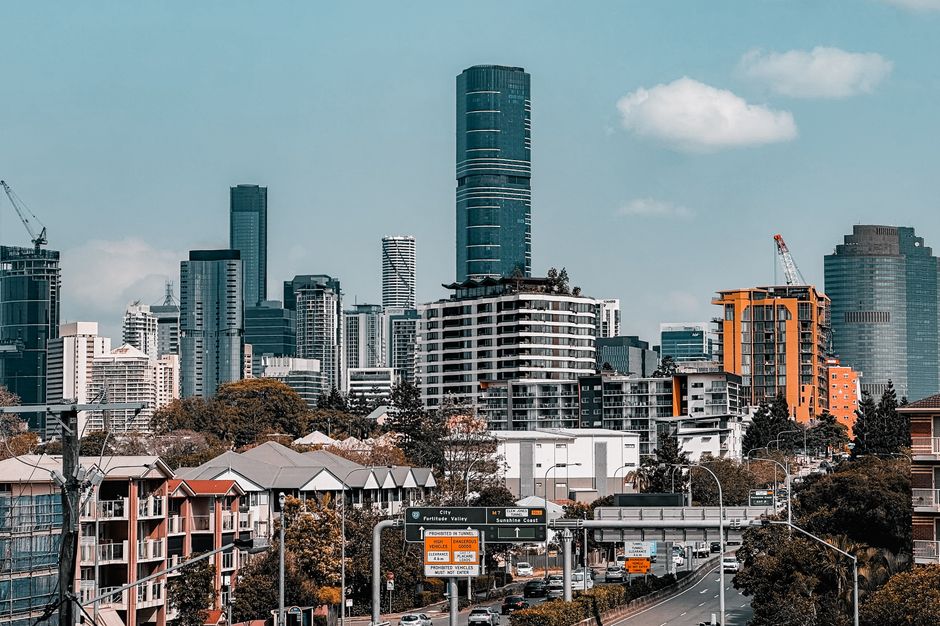
What makes a suburb genuinely great to live in is a combination of factors that go beyond real estate metrics. Walkability and access to daily amenities — cafes, supermarkets, parks, public transport — form the foundation of residential satisfaction for most Brisbane households. School quality and catchment access matter deeply to families with children, often more than any other single factor in suburb selection. Community character — the sense of knowing your neighbours, the presence of local events, the general feeling of safety and belonging — is harder to quantify but consistently emerges in surveys of residential satisfaction as among the most valued attributes. In Brisbane's 2026 context, suburb quality is also increasingly shaped by climate resilience: flood history, tree canopy coverage and access to cooling infrastructure matter in a subtropical city where summer temperatures regularly exceed 35 degrees Celsius.
For families prioritising school catchments and community infrastructure, Indooroopilly and Kenmore in Brisbane's inner west consistently rate among the city's most sought-after locations. Indooroopilly State High School's academic performance makes it one of the most searched school catchments in Queensland, and the suburb's combination of riverside parks, the Indooroopilly Shopping Centre and frequent bus and train connections to the CBD makes it genuinely liveable at both ends of the age spectrum. Median house prices in Indooroopilly sit around $1.4 million in 2026, reflecting the premium the market places on the catchment. For young professionals seeking cafe culture, walkability and vibrant neighbourhood energy, Fortitude Valley, New Farm and West End remain Brisbane's premier options. New Farm in particular — with its riverfront parks, Brunswick Street dining strip, abundant cafe options and proximity to both Teneriffe and the city — commands median house prices above $1.8 million, with units still accessible from $650,000 for a well-located one-bedroom apartment.
Retirees and downsizers looking for a combination of low maintenance, lifestyle amenity and community connection are increasingly drawn to suburbs with strong bayside or lifestyle credentials. Wynnum-Manly, on Brisbane's eastern shoreline approximately 20 kilometres from the CBD, offers a genuine coastal village atmosphere with Manly Harbour, a historic main street precinct, bowls clubs and active retirement community networks. Median unit prices in Wynnum-Manly sit between $550,000 and $700,000 for well-located two-bedroom properties, making it genuinely accessible for downsizers freeing equity from a larger family home. For first home buyers willing to look beyond the inner ring for affordability, Deception Bay and North Lakes on Brisbane's northern corridor offer entry-level houses in the $500,000 to $650,000 range with improving infrastructure — the Moreton Bay Rail Link connecting to the CBD — and the relaxed lifestyle of a coastal fringe community that is shedding its outer-suburban stigma as amenity investment catches up with population growth.
The suburb to watch for early movers in Brisbane in 2026 is Moorooka, located just 7 kilometres south of the CBD. Historically an affordable industrial and working-class suburb, Moorooka is undergoing a visible character shift driven by its positioning within the Boggo Road and Woolloongabba precinct development corridor. Young buyers and investors are moving into the suburb as prices in neighbouring Annerley, Yeronga and Rocklea have moved beyond reach, bringing with them the cafe openings, renovation activity and community investment that characterise early-stage gentrification. Median house prices in Moorooka sit around $780,000 to $820,000 in mid-2026 — still meaningful below comparable suburbs 5 kilometres in any direction. Those who buy in Moorooka now are positioning ahead of the next wave of South Brisbane infrastructure investment, with the proximity to both the PA Hospital precinct and the Woolloongabba Cross River Rail station making the suburb's long-term fundamentals among the most compelling in Brisbane's inner ring.
This article was compiled by AI from the sources linked above and screened before publishing. See our editorial standards.
Daily Network
About this article
Published by The Daily Brisbane
Daily brief
Free, in your inbox before 7am. Weekdays.
More from The Daily Brisbane