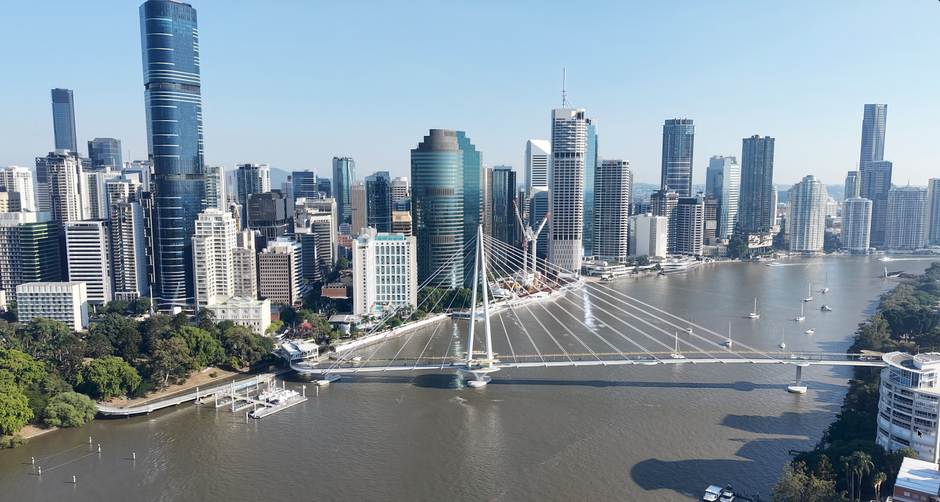
Cost of Living in Brisbane in 2026: What to Budget For
Brisbane has grown up — and so have its housing costs. Here is the full picture.
Brisbane has grown up — and so have its housing costs. Here is the full picture.
Brisbane's cost of living has changed significantly since the pandemic. The sustained interstate migration that the city attracted has pushed rents and house prices up materially, narrowing the gap with Melbourne. Understanding the current reality is important for anyone planning to relocate.
Renting a two-bedroom apartment in Brisbane's inner suburbs typically costs $550 to $700 per week in 2026. Three-bedroom houses in family suburbs are $600 to $850 per week. Outer suburbs offer better value. Buying — median house prices in inner Brisbane are now above $1 million in most suburbs. The Cross River Rail project is pushing prices up in south-side suburbs along the route.
Brisbane's go card public transport covers buses, trains and the CityCat ferries. The TransLink zone system means costs vary significantly by commute distance. A daily return trip from a middle-ring suburb to the CBD typically costs $8 to $12. Driving adds the cost of the Gateway Motorway and Logan Motorway tolls for many commuters.
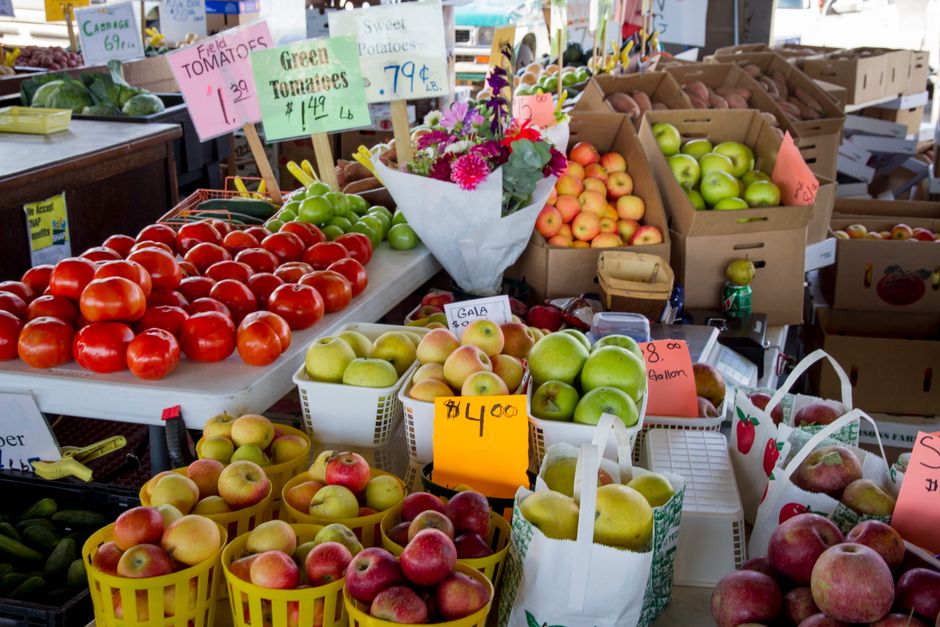
Brisbane's food scene has improved markedly and now compares favourably with Melbourne. Weekly groceries are comparable to other capitals. Dining out ranges from $20 to $35 per main course at neighbourhood restaurants. The Queensland climate means outdoor lifestyle costs — surf gear, camping, outdoor fitness — are real but the activities themselves are often free.
This article was compiled by AI from the sources linked above and screened before publishing. See our editorial standards.
Daily Network
About this article
Published by The Daily Brisbane
Daily brief
Free, in your inbox before 7am. Weekdays.
More from The Daily Brisbane