Cost of Living in Brisbane 2026: A Full Breakdown of What You Will Actually Spend
What does it really cost to live in Brisbane in 2026? Housing, groceries, transport and lifestyle costs broken down.
What does it really cost to live in Brisbane in 2026? Housing, groceries, transport and lifestyle costs broken down.
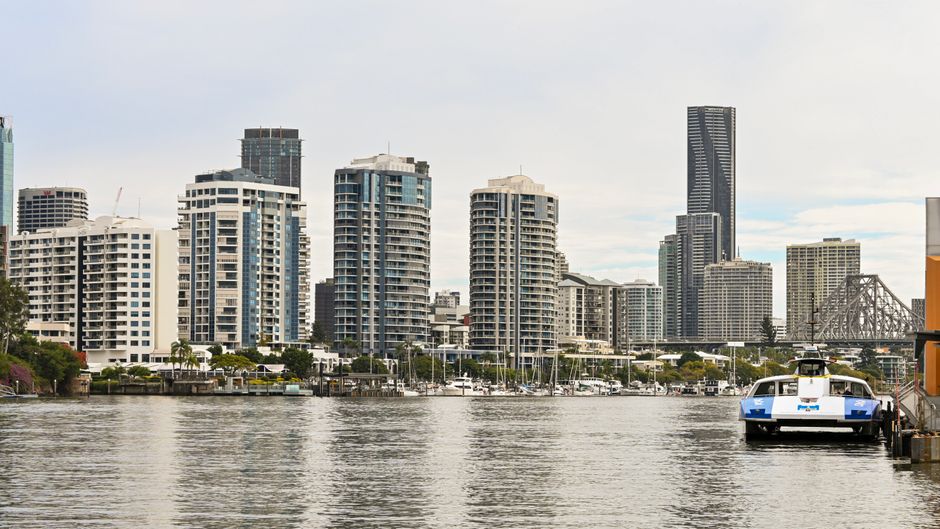
Housing is by far the largest expense for most Brisbane residents in 2026, whether renting or purchasing. For renters, median weekly rents sit at approximately $480 to $520 for a one-bedroom unit in a middle-ring suburb, $580 to $680 for a two-bedroom unit, and $700 to $800 for a three-bedroom house. Inner-city and premium lifestyle suburbs command a significant premium above these figures. For those purchasing, the median house price of approximately $980,000 translated into a monthly mortgage repayment of around $5,400 to $5,800 per month for a buyer who put 20 per cent down on a 30-year principal and interest loan at prevailing rates of approximately 6.0 to 6.5 per cent in 2026. Unit purchasers at the median of $620,000 face monthly repayments of approximately $3,400 to $3,600 under the same assumptions. Strata levies on units add a further $400 to $900 per quarter depending on the building and its amenities. These housing costs represent the non-negotiable foundation of any Brisbane household budget.
Weekly living costs in Brisbane for a couple in 2026 are broadly comparable to other Australian capital cities, with some notable exceptions. Groceries for a couple cooking most meals at home typically run to $150 to $250 per week depending on dietary choices and shopping habits, with those relying on Coles and Woolworths sitting toward the middle of that range and those supplementing with farmers' markets and specialty stores at the upper end. Utility costs — electricity and gas — average $80 to $150 per month for a typical two-bedroom apartment or small house, with Queensland's higher summer air-conditioning demand pushing bills toward the upper end during the December to March period. Internet connections on NBN plans sit at $60 to $80 per month for 100Mbps speeds from the major providers. Streaming services, phone plans and other digital subscriptions collectively add another $50 to $100 per month for the average household. These baseline living costs add up quickly: even before discretionary spending, a Brisbane couple can expect to spend $600 to $900 per week on non-housing necessities.
Transport in Brisbane generates meaningfully different costs depending on whether a household is car-dependent or able to access public transport. Owning and running a single car in Brisbane in 2026 — accounting for registration (approximately $900 per year), CTP insurance (approximately $400 per year), comprehensive insurance ($1,200 to $1,800 per year depending on vehicle), petrol (approximately $80 to $120 per week for an average commuter), servicing and tyres — costs a household roughly $10,000 to $14,000 per year, or $800 to $1,100 per month. Brisbane's public transport network — the TransLink system of buses, trains and ferries — operates on a zone-based pricing structure, with the state government having introduced significant fare caps and discounts in recent years. A commuter travelling within two zones pays around $3.20 to $4.60 per journey, with a daily cap providing certainty for frequent users. For those living within cycling or walking distance of train stations or high-frequency bus corridors, public transport is a genuine cost-saving alternative to car ownership.
When comparing Brisbane's overall cost of living to Sydney and Melbourne, the picture is nuanced but generally favourable to Brisbane. Housing remains the most significant differential: Brisbane's median house price, while having risen considerably, remains approximately 25 to 30 per cent below Sydney's median and broadly comparable to Melbourne's after accounting for recent movements in both cities. Day-to-day living costs — groceries, utilities, eating out — are broadly similar across all three cities, with minor variations. Lifestyle costs, including entertainment, dining and fitness, are comparable or marginally lower in Brisbane. The major advantage Brisbane offers is a lower housing cost anchor for both buyers and renters, which means that households who can match their income needs in Brisbane — particularly those working remotely or in sectors with strong Queensland employment — can realistically expect to accumulate savings and assets at a faster rate than equivalent-income residents in Sydney. This calculation is driving continued net interstate migration into Southeast Queensland and is likely to remain a structural feature of Brisbane's demographic story through the remainder of the decade.
This article was compiled by AI from the sources linked above and screened before publishing. See our editorial standards.
Daily Network
About this article
Published by The Daily Brisbane
Daily brief
Free, in your inbox before 7am. Weekdays.
More from The Daily Brisbane