Brisbane Port and the Freight Economy: The Logistics Capital of Queensland
The Port of Brisbane handles the trade that sustains the state's economic connections to the world.
The Port of Brisbane handles the trade that sustains the state's economic connections to the world.
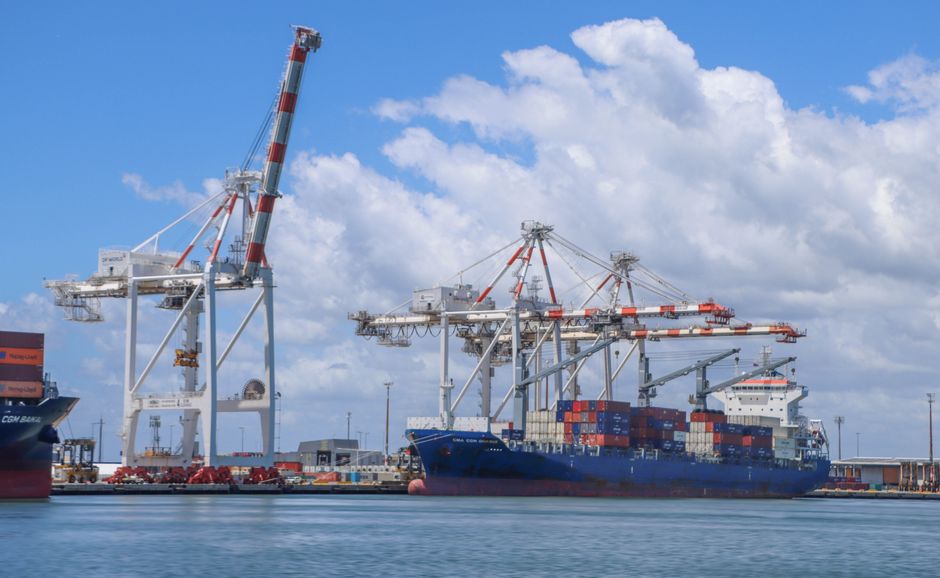
The Port of Brisbane, operating from the Fisherman Islands at the mouth of the Brisbane River where the bay meets the open water, is one of Australia's most significant container ports and the primary trade gateway for Queensland's import and export economy. The port's container throughput, handling the manufactured goods imports and the agricultural, mining, and manufactured product exports that Queensland's economy generates, makes it the third largest container port in Australia and the port that all of southeast Queensland's and much of inland Queensland's trade connections pass through.
The port's development over the past two decades, with the significant investment in quay length, container handling equipment, and the road and rail connections to the port that the freight task requires, has maintained Brisbane's port capacity ahead of the freight growth that the Queensland economy's expansion has generated. The port's capacity expansion plans, responding to the freight growth projections that the state's continued economic development and the population growth that it accommodates drive, involve the land reclamation and the infrastructure investment that major port expansions require.
The Nudgee Road freight corridor, connecting the port to the Gateway Motorway and the national highway network, handles the enormous volume of heavy vehicle freight that the container port generates in the daily truck movements between the terminal and the warehousing and distribution facilities that surround the port and extend through the industrial corridor to the inner suburbs and beyond. The freight corridor's management, balancing the needs of the heavy vehicle freight task against the residential amenity of the surrounding suburbs, is one of Brisbane's most challenging urban freight management questions.
The agricultural export role of the Port of Brisbane, handling the Queensland beef, grain, and the horticultural exports that the state's agricultural economy produces, connects the inland food producers of the Darling Downs, the central highlands, and the tropical north to the international markets that pay the premium for Australian agricultural quality. The port's refrigerated container handling capacity, sustaining the cold chain that premium meat and produce exports require from the farm gate to the export vessel, provides the infrastructure that Australian food exporters depend on for the market access that freshness and quality require.
This article was compiled by AI from the sources linked above and screened before publishing. See our editorial standards.
Daily Network
About this article
Published by The Daily Brisbane
Daily brief
Free, in your inbox before 7am. Weekdays.
More from The Daily Brisbane