Brisbane's Urban Bushland: The Green Network That Sustains the City
The networks of parks and bushland reserves provide the ecological and recreational infrastructure that sets Brisbane apart.
The networks of parks and bushland reserves provide the ecological and recreational infrastructure that sets Brisbane apart.
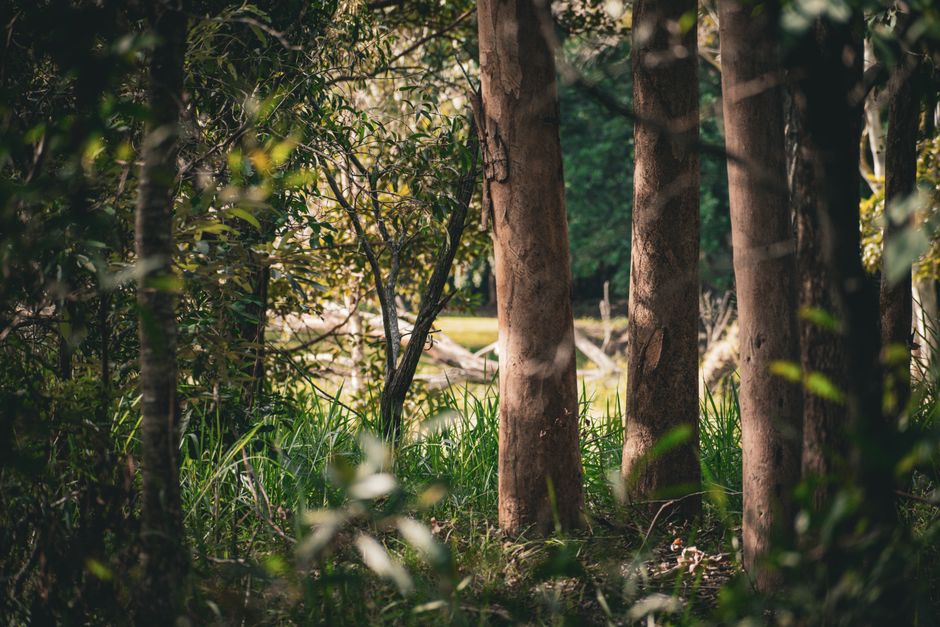
Brisbane City Council's network of bushland reserves, suburban parks, and the regional parks that extend into the D'Aguilar Range and the outer suburban bushland, provides the urban green infrastructure that sets Brisbane apart from comparable subtropical cities whose development has typically removed the native vegetation rather than retaining and managing it as urban ecological infrastructure. The council's Habitat Brisbane program, which maintains the remnant bushland patches and the wildlife corridors that connect them through a combination of professional management and volunteer support, sustains the urban biodiversity that the city's marketing highlights and that the residents who choose Brisbane for its liveable character value.
The D'Aguilar Range to the northwest of the city, protected within the D'Aguilar National Park and the adjacent regional parks, provides the largest continuous bushland block accessible from the Brisbane metropolitan area, its combination of the eucalypt forest, the wet sclerophyll gullies, and the views east across the city to Moreton Bay creating the accessible wilderness that Brisbane's outdoor recreation community uses for the trail running, mountain biking, and day walking that the well-developed trail network accommodates. The range's proximity to Brisbane's northwestern suburbs makes it one of the most accessible national parks of its size and quality in Australia.
The koala population of the Lockyer Valley and the western Brisbane suburbs, connected to the South East Queensland koala population that the wildlife corridors of the Scenic Rim and the d'Aguilar Range support, provides the urban koala encounters that the wildlife management programs and the koala-sensitive development standards attempt to sustain against the habitat loss and the road kill that urban expansion creates. The Western Corridor Renewable Energy Project, managed by the Brisbane City Council and the state government, protects the wildlife corridors that connect the koala populations through the suburban landscape.
The Brisbane Urban Metabolism project, the research initiative that is quantifying the ecological footprint of the city and the natural capital that the urban green network provides, creates the scientific evidence base for the green infrastructure investment decisions that the council makes. The valuation of urban ecosystem services, including the water quality improvements that intact urban bushland provides, the carbon storage that the mature trees and the native vegetation sequester, and the mental health benefits that access to urban green space generates, provides the economic language that planning decisions about green infrastructure can use alongside the more familiar cost-benefit frameworks.
This article was compiled by AI from the sources linked above and screened before publishing. See our editorial standards.
Daily Network
About this article
Published by The Daily Brisbane
Daily brief
Free, in your inbox before 7am. Weekdays.
More from The Daily Brisbane