Brisbane's Housing Market: The Affordability Pressures in Australia's Most Watched Property City
The post-pandemic migration and the Olympic effect have reshaped Brisbane's property landscape.
The post-pandemic migration and the Olympic effect have reshaped Brisbane's property landscape.
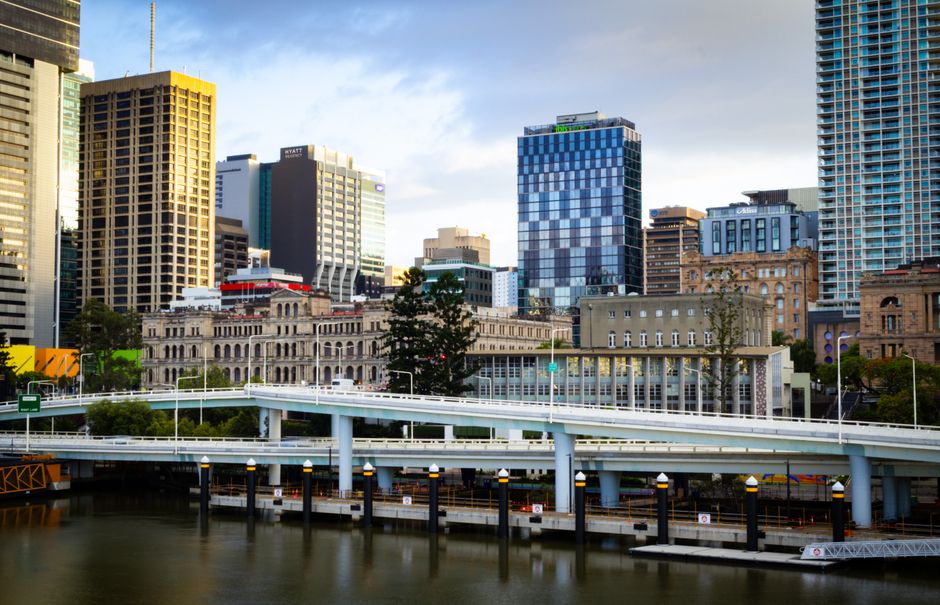
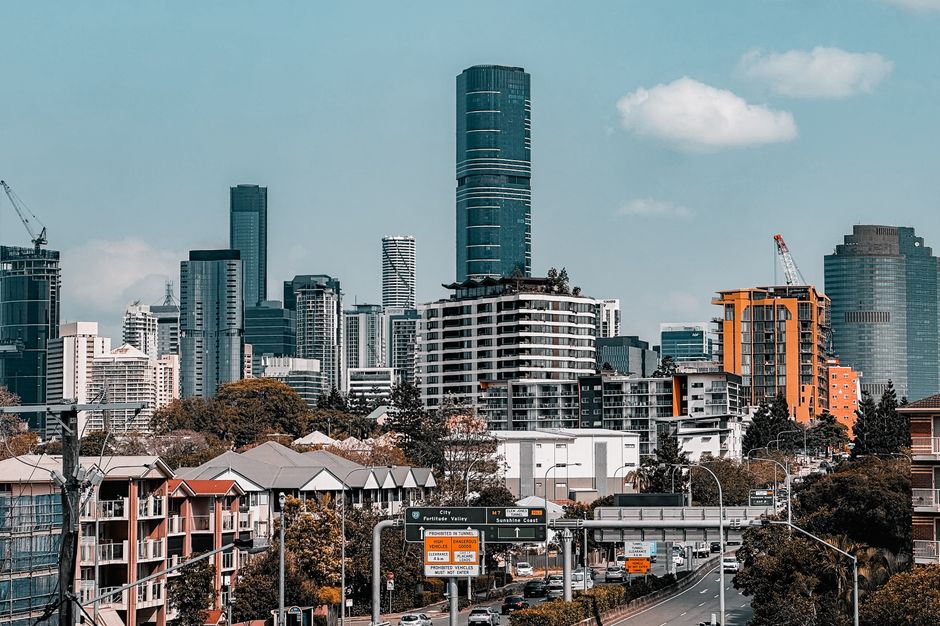
Brisbane's housing market, transformed by the combination of the interstate migration that the pandemic-era remote work flexibility enabled, the Olympic investment narrative that the 2032 Games has sustained, and the fundamental shortage of housing supply that the construction industry's capacity constraints have created in the face of demand that population growth generates, has moved from the affordable Australian city that the pre-pandemic comparisons with Sydney and Melbourne highlighted to a market where affordability is increasingly the challenge that the local income levels and the national migration are both confronting. The median house price trajectory in Brisbane has moved it from the affordable end of the capital city spectrum to a position where the affordability advantage over Sydney and Melbourne, while still significant in absolute terms, has compressed substantially.
The outer suburban and greenfield markets of Ipswich, Logan, and the Moreton Bay council areas, where the land supply and the residential development activity are most concentrated, provide the more affordable end of the southeast Queensland housing market where the first home buyer and the interstate migrant seeking the lifestyle and the price advantage that Queensland provides over the southern capitals can find the new housing product at prices that the inner Brisbane market has moved well beyond. The outer suburban markets' growth has been the primary release valve for the demand pressure that the inner Brisbane price escalation generates.
The rental market pressure, reflecting the same supply-demand imbalance that has driven the purchase market's price growth in a rental stock that has not expanded as fast as the population that rents rather than owns, has created the rental affordability crisis that the most vulnerable renters, including the low-income households, the students, and the new arrivals who have not yet established the housing history that private rental requires, experience most acutely. The vacancy rate compression and the rental price growth that have been consistent features of the Brisbane rental market since 2021 reflect the structural shortage that more housing supply at all tenure types is the only durable solution to.
The social housing investment by the Queensland government, responding to the rental crisis with the commitments to the social housing construction program that the most vulnerable renters require, provides the government supply response that the market cannot be relied on to provide for the lowest income renters whose rent-paying capacity does not cover the costs of new housing provision. The program's scale relative to the need, and the delivery timeline of the social housing that the construction capacity constrains, determines how effectively the government response addresses the most acute end of the housing affordability crisis.
This article was compiled by AI from the sources linked above and screened before publishing. See our editorial standards.
Daily Network
About this article
Published by The Daily Brisbane
Daily brief
Free, in your inbox before 7am. Weekdays.
More from The Daily Brisbane