Brisbane Property Investors Face Shrinking Rental Yields Despite Rising Values
As Queensland capital values climb toward $800k, savvy property investors are discovering that stronger rents alone won't offset shrinking margins.
As Queensland capital values climb toward $800k, savvy property investors are discovering that stronger rents alone won't offset shrinking margins.
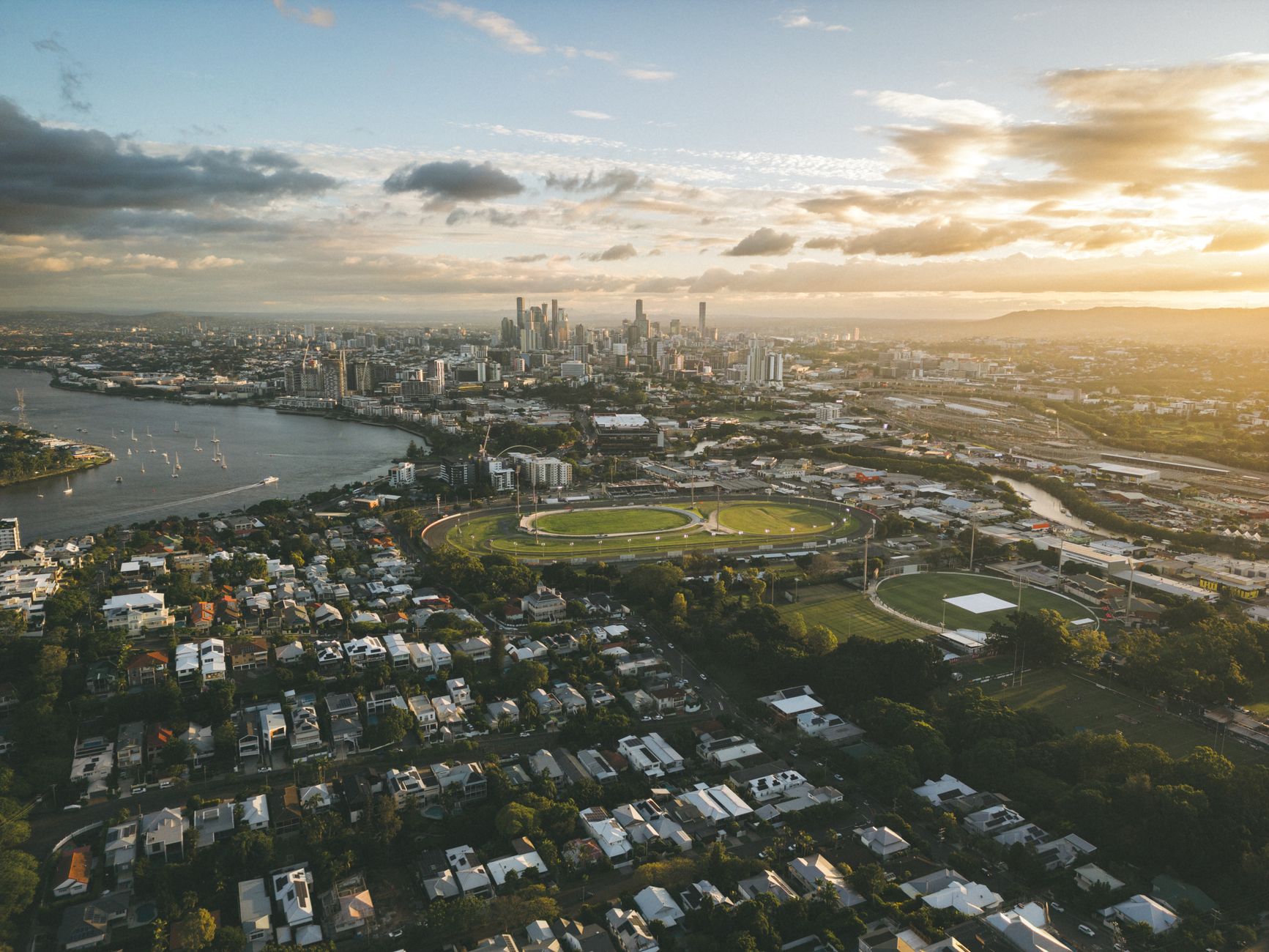
Brisbane's property investment landscape is entering a critical inflection point. While median house prices hover around $780,000 and rental demand remains robust, investors are increasingly grappling with a counterintuitive reality: higher property values don't automatically translate to better investment returns.
The story playing out across suburbs like Paddington, Fortitude Valley, and South Brisbane reveals the tension. A modest two-bedroom home in Paddington that sold for $1.2 million twelve months ago now commands $1.35 million—a 12.5 per cent appreciation. Yet weekly rents in the precinct have climbed just 8 per cent over the same period, to around $550. The yield compression is real and unavoidable.
"Investors are caught between two forces," explains local market analysts. "Capital growth remains attractive thanks to post-Olympics infrastructure and interstate migration from NSW and Victoria, but rental yields are being squeezed precisely because of that competition." The median rental yield across Brisbane's inner suburbs now sits at approximately 3.2 per cent—a figure that leaves little margin for maintenance, vacancy, or rates.
Northside suburbs are telling a different story, however. Stretches of Chermside, Aspley, and Zillmere are still delivering yields closer to 4.2 per cent, with entry prices 30–40 per cent below comparable inner-city stock. Yet these areas lack the prestige and capital growth momentum of their Southside counterparts, forcing investors into a calculated choice between yield and growth.
The rental market itself is tightening. With fewer units completing than anticipated and strong population inflows from interstate, vacancy rates across Brisbane have compressed to historically tight levels. This dynamic is lifting rents incrementally, but not fast enough to offset the velocity of price growth. A typical investor purchasing in Kangaroo Point or West End today might expect long-term capital returns of 4–5 per cent annually, with yields providing just 3–3.5 per cent return on outlay.
For the savvy operator, opportunity still exists in secondary Southside precincts like Greenslopes and Mount Gravatt, where prices remain $150,000–$250,000 below peak Southside suburbs yet rents are climbing in tandem with improved transport links and retail expansion. Similarly, emerging Northside corridors along the busway offer yield-conscious investors genuine cash-on-cash returns, provided they're willing to accept more moderate capital appreciation.
The takeaway for Brisbane investors is straightforward: the easy money in capital growth alone has largely evaporated. Success now requires granular suburb selection, realistic yield expectations, and a willingness to look beyond the postcodes everyone else is chasing.
This article was compiled by AI and screened before publishing. See our editorial standards.
Sponsored
Lorem ipsum dolor sit amet, consectetur adipiscing elit. Reach engaged Brisbane readers with sponsored placements that look and feel like the rest of the paper.
Become a partner →Daily Network
About this article
Published by The Daily Brisbane
Daily brief
Free, in your inbox before 7am. Weekdays.
More from The Daily Brisbane


