Brisbane's Price Correction: Which Inner-City Suburbs Are Holding Ground While Others Slide
As Queensland's median house price softens for the first time in years, a two-speed market emerges with established precincts outperforming outer sprawl.
As Queensland's median house price softens for the first time in years, a two-speed market emerges with established precincts outperforming outer sprawl.
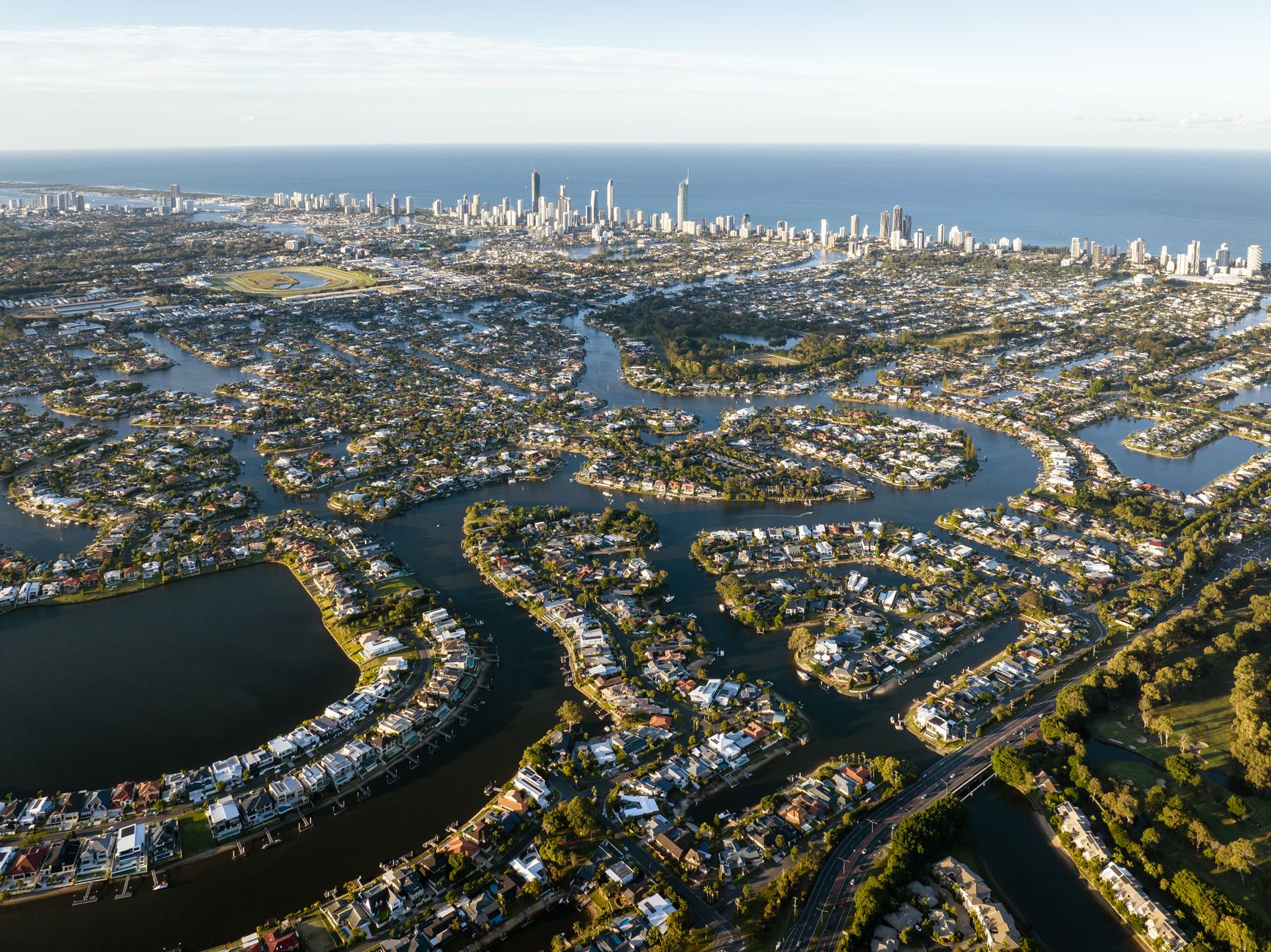
Brisbane's property market is showing clear winners and losers as prices consolidate following the post-Olympic surge, with inner-city suburbs demonstrating surprising resilience while outer growth corridors face sharper corrections.
Data from the past quarter reveals the Queensland median house price has retreated to approximately $780,000, marking the first sustained pullback since the pandemic boom. However, the story becomes nuanced when drilling into specific precincts. Inner-Brisbane hotspots including South Brisbane, Fortitude Valley, and West End—traditionally driven by owner-occupier demand and investor interest—have largely held their ground, with median values in South Brisbane remaining steady around $920,000 despite broader softening elsewhere.
"What we're witnessing is a flight to quality and proximity," explains local market analysts. Properties within 5km of the CBD that offer established infrastructure, public transport access, and proximity to the revitalised entertainment precincts are proving more defensive. Conversely, outer sprawling suburbs on both the Northside and Southside—regions that experienced the most aggressive gains during 2022–2024—are experiencing steeper corrections of 4–7 per cent from recent peaks.
The post-Olympics infrastructure legacy continues to benefit specific corridors. Stations along the revamped Cross River Rail, particularly in Dutton Park and Kangaroo Point, show steadier price trajectories than comparable properties without rail proximity. Median values in these established inner-ring suburbs hover around $850,000–$900,000, a premium largely justified by commute times and lifestyle amenities.
Interstate migration from NSW and Victoria, which fuelled much of Brisbane's growth narrative, appears to be plateauing. This shift is redirecting market dynamics away from the speculative investor-heavy outer suburbs back toward fundamentally sound inner-city locations where renters and owner-occupiers compete most actively.
Notably, Northside precincts including Newstead and Teneriffe—historically more affordable than their Southside counterparts—are maintaining momentum better than expected. These suburbs, combining proximity to the city with village-style amenity, have attracted a demographic shift toward young professionals seeking space without sacrificing walkability. Current medians sit around $795,000, relatively stable against the broader softening.
Experts caution that Brisbane's correction, while modest compared to Sydney's steeper decline, signals a return to fundamentals. The days of double-digit annual growth across all postcodes appear over. For buyers, this presents opportunity—particularly in well-located inner suburbs where price falls remain modest but vendor motivation is rising. For sellers in outer areas, realistic expectations and timing will prove critical as the two-speed market crystallises further.
This article was compiled by AI and screened before publishing. See our editorial standards.
Sponsored
Lorem ipsum dolor sit amet, consectetur adipiscing elit. Reach engaged Brisbane readers with sponsored placements that look and feel like the rest of the paper.
Become a partner →Daily Network
About this article
Published by The Daily Brisbane
Daily brief
Free, in your inbox before 7am. Weekdays.
More from The Daily Brisbane