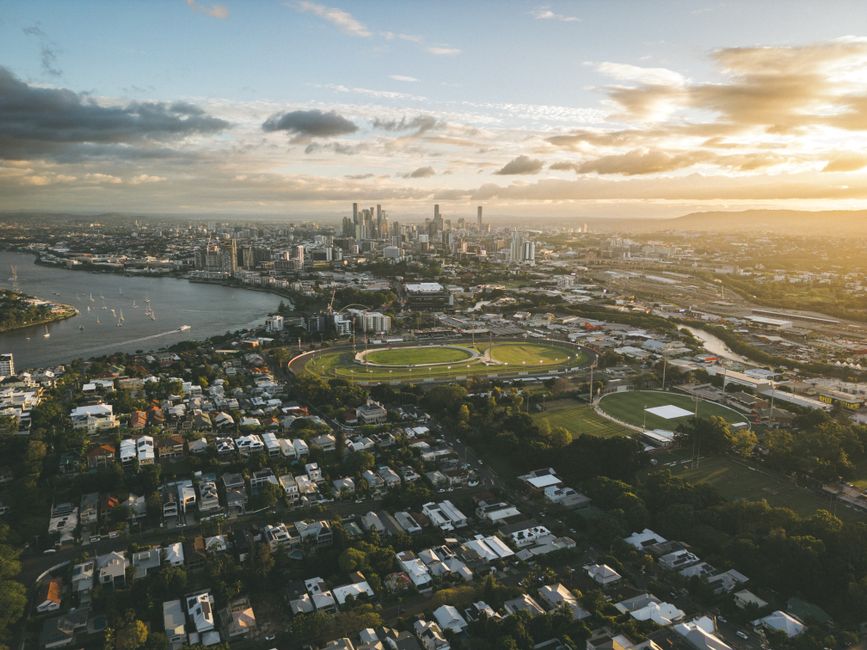
Brisbane's property market is entering a new phase of maturity, with the post-Olympic momentum showing clear signs of deceleration across several traditionally high-performing suburbs, new data suggests.
The Queensland median house price has settled around the $780,000 mark, but beneath that headline figure lies a more nuanced story. While the city's broader northside precincts—including Aspley, Chermside, and Stafford—continue to attract investors, growth rates have eased from the double-digit percentage gains of 2023-24.
"What we're seeing now is a natural market correction," explains local market analyst Sarah Chen from Brisbane Property Insights. "The Olympics created a genuine infrastructure boost, but buyers are becoming more selective. They're no longer bidding against each other just for postcodes."
Data from the past quarter reveals telling patterns. Inner-west suburbs like West End and Fortitude Valley—which experienced explosive growth during the Olympic hype cycle—have seen median prices stabilize, with some properties taking longer to sell. West End remains a premium location hovering near $950,000 for a three-bedroom house, but transaction volumes have cooled noticeably.
The southside tells a different story. Suburbs like Mount Gravatt, Waterford, and Sunnybank continue to attract first-home buyers and young families seeking value. Mount Gravatt's median has crept toward $675,000, positioning it as increasingly competitive against inner-ring alternatives without the premium tag.
Interstate migration—a major driver of Brisbane's growth—shows signs of moderating. While NSW and Victorian buyers still represent a significant portion of purchasers, the migration premium that previously commanded $50,000-$100,000 above comparable southern capitals has compressed considerably.
The shifting landscape is particularly evident in apartment markets. Brisbane's CBD apartment supply has finally caught up with demand following Olympic-era construction, with units now remaining on market longer and vendors becoming more flexible on pricing.
However, infrastructure investment continues to underpin long-term optimism. The cross-river rail connections and expanded transport networks mean suburbs with good connectivity—particularly along the northern corridor towards Aspley and the planned western extensions—retain genuine buyer interest.
For buyers, this cooling phase presents opportunity. The frenzy has abated, allowing for more considered decisions. For sellers, particularly those in premium inner-ring locations, timing and realistic pricing have become critical.
"Brisbane's market isn't crashing," Chen cautions. "It's finding a sustainable rhythm after an extraordinary period. That's healthier for everyone."
This article was compiled by AI from the sources linked above and screened before publishing. See our editorial standards.