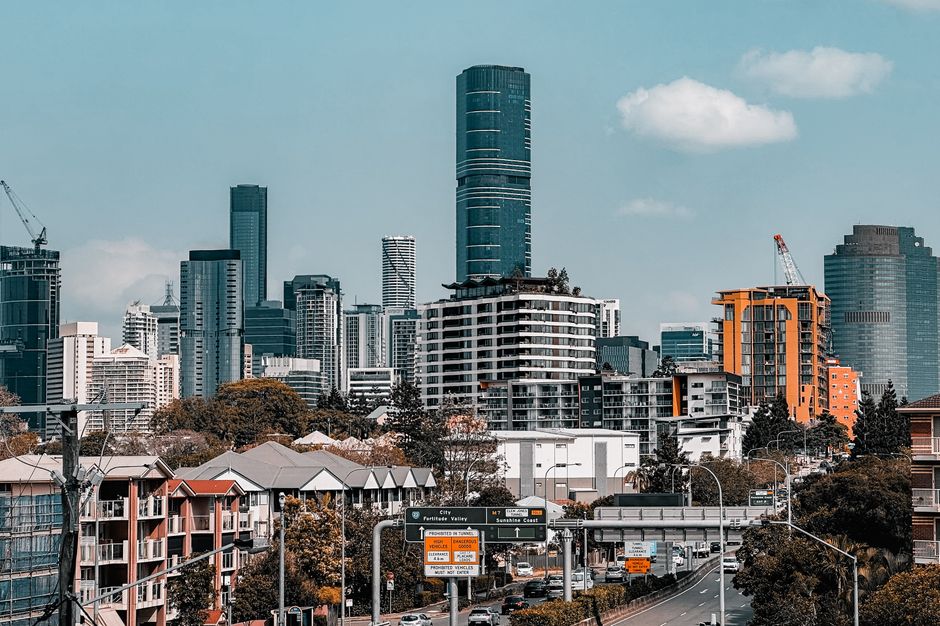
While property headlines focus on Melbourne billionaires and Sydney's prestige slowdown, Brisbane is quietly rewriting its own story. The Queensland capital sits at an intriguing inflection point: cooling sentiment from recent investor tax changes, yet sustained demand from interstate migration and post-Olympic infrastructure momentum.
The median house price hovering around $780,000 masks a deeper trend playing out across Brisbane's suburbs. While outer reaches like Waterford and Doolandella remain affordable entry points, savvy buyers are increasingly targeting the middle-ring sweet spot—suburbs like West End, Annerley, and Camp Hill, where proximity to the CBD meets genuine lifestyle appeal.
"We're seeing a flight to quality suburbs with long-term fundamentals," explains one local agent familiar with current buyer behaviour. These pockets offer something the prestige market doesn't: reasonable entry prices with strong growth potential. West End's creative precinct continues attracting young professionals, while Annerley's tree-lined streets and weekend café culture appeal to downsizers from the southern states.
The post-Olympics infrastructure narrative remains potent. The Metro line's expansion and improved transport corridors have redrawn commuting realities, making suburbs like Mitchelton and Keperra genuinely competitive for those tired of hour-long drives. First-home buyers priced out of tighter markets are discovering these areas offer room to breathe—literally and financially.
Yet headwinds exist. The warning about potential correction through 2029, fuelled by Queensland's investor tax changes, shouldn't be dismissed lightly. Property investors—traditionally Queensland's market movers—are reassessing their plays. This could mean softer growth in purely investment-focused suburbs, but it may also reset expectations in family-oriented neighbourhoods where genuine demand outweighs speculation.
The Northside-Southside divide tells its own story. Northside suburbs like Ashgrove and Toowong, traditionally solid family zones, are holding ground better than some outer Southside pockets. Meanwhile, Southside's manufacturing heritage suburbs are experiencing genuine revitalisation, with younger buyers attracted to authentic character and emerging food scenes.
For Brisbane's property market in the second half of 2026, the real opportunity isn't in flashy new developments or the next viral renovation. It's in the solid, established suburbs where interstate families are planting roots, where local infrastructure is genuinely improving, and where median prices still seem reasonable compared to what they've left behind.
The market's hitting the brakes nationally—but Brisbane's shifting gears rather than stalling.
This article was compiled by AI from the sources linked above and screened before publishing. See our editorial standards.