Global Trade Volatility Is Reshaping Brisbane's Job Market—Here's Who's Winning
As supply chains shift and geopolitical tensions rise, Brisbane's tech, logistics and professional services sectors are competing fiercely for talent.
As supply chains shift and geopolitical tensions rise, Brisbane's tech, logistics and professional services sectors are competing fiercely for talent.
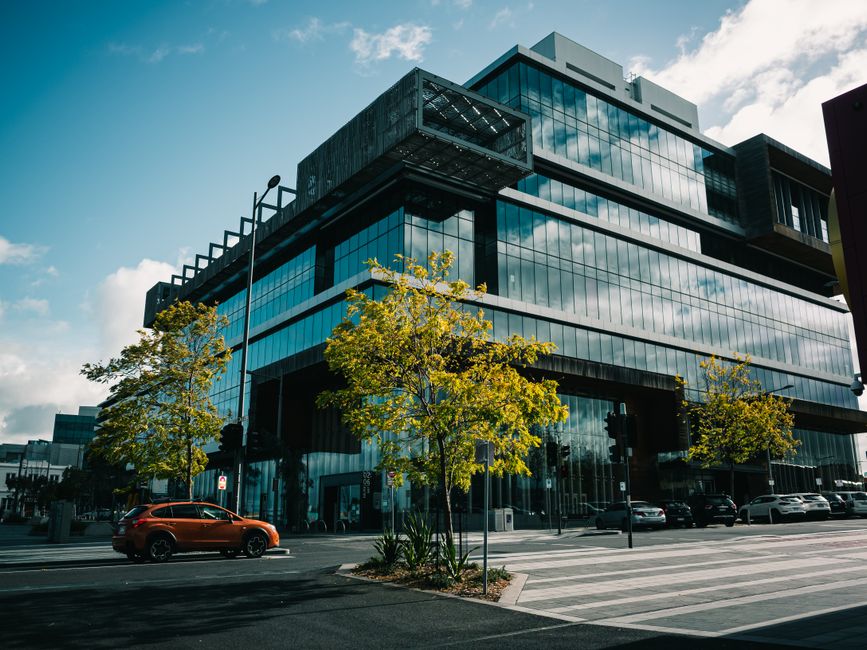
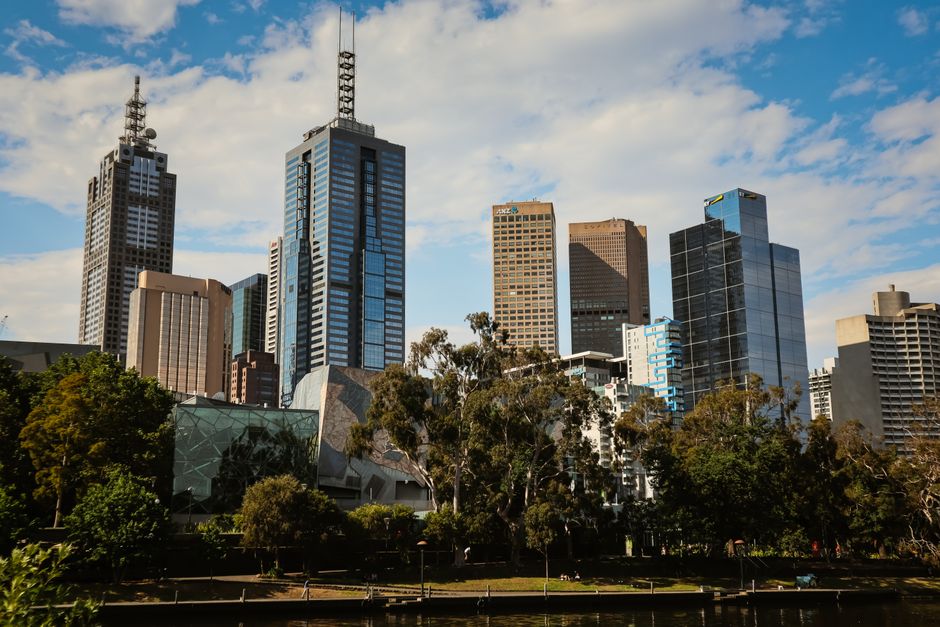
Brisbane's business district is experiencing a quiet revolution. While international headlines scream about trade tensions and geopolitical brinkmanship, recruitment agencies and HR managers across South Bank, the CBD and emerging precincts like Newstead are grappling with a fundamental shift in how companies build their teams.
The instability gripping global trade—from Middle Eastern supply route concerns to shifting manufacturing partnerships—is forcing Brisbane-based businesses to rethink where they source talent and what skills they need. And it's creating winners and losers in the local employment market.
"We're seeing unprecedented demand for supply chain professionals and logistics coordinators," says one senior recruiter operating along Eagle Street. Positions that once commanded mid-tier salaries are now attracting six-figure packages. Warehouse managers and customs compliance specialists—roles that were moderately valued two years ago—are in such high demand that firms are offering Brisbane's typically competitive rents as signing bonuses.
The impact extends beyond logistics. Tech companies clustered around Fortitude Valley and Kangaroo Point are frantically hiring cybersecurity experts and data analysts capable of managing complex international compliance frameworks. Trade compliance software developers are reportedly fielding multiple offers simultaneously.
Conversely, traditional import-export roles that depend on predictable, low-friction global commerce are seeing recruitment freezes. Several firms operating from industrial zones in Docklands and Eagle Farm have paused hiring, waiting for clarity on tariff regimes and corridor stability.
Universities and vocational training providers are responding. QUT and Griffith University have expanded their supply chain management programs, and TAFE Queensland has introduced new short-course certifications in international trade compliance—responses to employers explicitly requesting skills they can't find locally.
Property agents note subtle shifts too. Leasing activity in logistics-focused precincts has surged, while some traditional office space in Brisbane's CBD remains soft. Companies are prioritising proximity to ports, major transport corridors and international hubs over prestige addresses.
The ripple effects are visible in Brisbane's talent market. Young professionals once dismissive of "boring" logistics roles now see six-figure careers ahead. Experienced professionals from overheated sectors like hospitality are retraining. And immigration patterns are shifting—firms report targeting skilled workers from markets with established trade expertise, particularly Southeast Asia.
What's clear: Brisbane's economy is no longer insulated from global trade volatility. The jobs being created and destroyed today reflect a city increasingly integrated into contested international supply networks. For workers ready to skill up in emerging areas, opportunity abounds. For those dependent on stable, traditional import-export pathways, the outlook is cloudier.
This article was compiled by AI from the sources linked above and screened before publishing. See our editorial standards.
Daily Network
About this article
Published by The Daily Brisbane
Daily brief
Free, in your inbox before 7am. Weekdays.
More from The Daily Brisbane