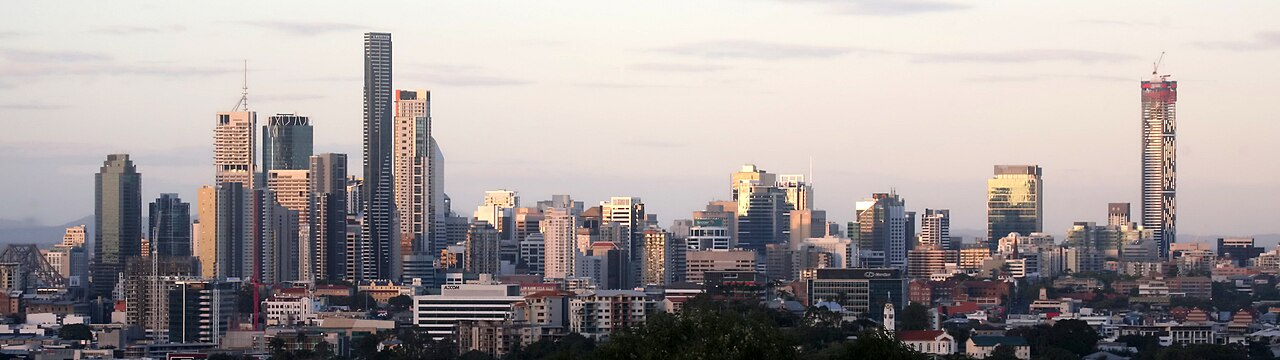
From South Bank to Skyline: How Brisbane Developer Transforms Vacant Office Space into Creative Hubs
As traditional office demand softens, one local entrepreneur is betting big on converting underutilised commercial properties into mixed-use spaces that attract today's flexible workforce.
Brisbane's office market has undergone seismic shifts in recent years, with vacancy rates climbing above 13 per cent across the CBD and inner-city precincts. Yet amid this downturn, a growing cohort of savvy operators is spotting opportunity where others see decline.
The story of how one South Brisbane-based commercial property group has pivoted its strategy offers a masterclass in adaptive business thinking. Rather than clinging to traditional lease models, the firm has begun acquiring mid-grade office buildings along the Grey and George Street corridors—properties built in the 1980s and 1990s that no longer command premium rents—and reimagining them as vibrant mixed-use precincts.
The approach is working. Properties that sat half-empty eighteen months ago are now attracting creative agencies, tech startups, wellness practitioners, and co-working operators willing to pay competitive rates for flexible, well-designed spaces. A 4,500-square-metre office block near Southbank Parklands, acquired for $8.2 million in early 2025, has been repositioned with communal kitchens, rooftop terraces, and ground-floor retail. It's now 89 per cent leased.
"The market fundamentals have changed," explains the strategy underpinning this shift. Traditional corporate tenants increasingly demand newer, purpose-built premises with world-class sustainability credentials—buildings that meet Net Zero standards and offer premium amenities. Older stock, meanwhile, has become fertile ground for operators willing to invest in renovations and reimagine what office really means in 2026.
This entrepreneurial repositioning reflects broader market dynamics. Recent data from commercial real estate agencies suggests that while CBD vacancy remains elevated, secondary locations along the inner-city fringe—particularly Fortitude Valley, New Farm, and Southbank—are experiencing renewed interest. Adaptive reuse projects in these precincts have helped absorb excess supply while breathing new economic life into ageing building stock.
The trend also speaks to shifting tenant preferences. Rather than occupying anonymous floors in gleaming towers, growing numbers of Brisbane-based firms are gravitating toward character-filled spaces with neighbourhood authenticity, proximity to cafes and transport, and built-in community. Co-working platforms have accelerated this shift, offering flexible leasing options that traditional landlords struggled to provide.
As interest rates stabilise and development pipelines remain constrained, Brisbane's commercial property sector faces a choice: resist change or embrace it. Early movers capitalising on adaptive reuse and mixed-use conversion are demonstrating that the future of Brisbane's office market may lie less in new construction and more in intelligent repositioning of what already exists.
This article was compiled by AI from the sources linked above and screened before publishing. See our editorial standards.
Daily Network
From the Daily Network
Related reporting from other cities in our network.