Tourism Boom Reshaping Brisbane's Job Market as Hotels and Hospitality Compete for Talent
Record visitor numbers are driving wage growth and career opportunities across the city, but employers warn skills shortages threaten growth.
Record visitor numbers are driving wage growth and career opportunities across the city, but employers warn skills shortages threaten growth.
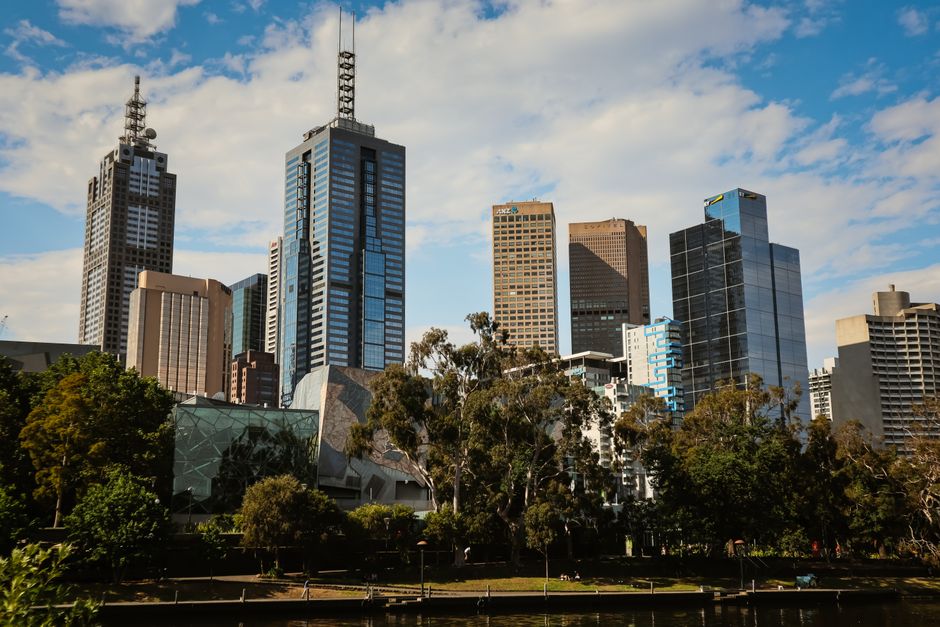
Brisbane's tourism sector is experiencing unprecedented growth, with visitor numbers projected to exceed 12 million annually by 2027—a trajectory that's fundamentally reshaping the local employment landscape and forcing businesses across South Bank, the City Centre, and emerging precincts like New Farm to compete fiercely for talent.
The transformation is most visible in hospitality and accommodation. Premium hotel groups operating properties along Eagle Street and South Bank Parklands have increased entry-level wages by up to 15 per cent in the past two years, according to industry insiders. A front-of-house position at a five-star hotel now commands salaries in the $58,000–$65,000 range, a substantial jump from pre-pandemic baselines. Housekeeping and culinary roles command similar premiums, with experienced chefs seeing offers exceed $75,000.
"We're not just filling vacancies—we're competing with Sydney and Melbourne for the same skilled workers," explains recruitment specialists tracking Brisbane's hospitality sector. Major developments like the $900 million Queens Wharf precinct and expanded River Cruise Terminal have created thousands of positions across food and beverage, guest services, and event management.
The ripple effects extend well beyond hotels. Tourism-dependent sectors—including retail, transport, and cultural institutions—are adjusting pay structures and benefits to retain staff. The South Bank Cultural Centre, Brisbane Airport, and riverside restaurants throughout Southbank and West End report increased competition for reliable, customer-facing workers.
However, the boom is exposing critical talent gaps. Industry bodies report persistent shortages in specialised roles: sommelier-level bar staff, multilingual concierge professionals, and hospitality managers with contemporary operational experience. Technical roles in events management and tourism technology are similarly constrained.
Universities and vocational training providers are responding. QUT and Griffith University have expanded tourism and hospitality management pathways, while TAFE Queensland reports record enrolments in hospitality certificates. Yet education leaders warn the pipeline can't match current demand—a gap likely to persist through 2027.
The talent squeeze is already influencing broader business strategy. Some operators along South Bank and in the CBD are investing in automation and cross-training existing staff rather than competing on wages alone. Others are pivoting toward remote team members and fractional staffing models.
For job seekers, the current environment presents rare leverage. Entry-level hospitality workers are reporting multiple offers, flexible scheduling negotiation, and improved conditions. Yet economists caution that sustainability depends on maintaining service standards—a challenge when labour constraints force rapid hiring and compressed training periods.
As Brisbane consolidates its position as Australia's fastest-growing major city, its tourism-driven employment story will test whether infrastructure, education, and workplace conditions can scale proportionally to visitor demand.
This article was compiled by AI from the sources linked above and screened before publishing. See our editorial standards.
Daily Network
About this article
Published by The Daily Brisbane
Daily brief
Free, in your inbox before 7am. Weekdays.
More from The Daily Brisbane