Reading the Tea Leaves: What Brisbane's Economic Signals Mean for Small Business
As interest rate expectations shift and commercial property values fluctuate, savvy entrepreneurs are learning to decode the data that shapes their growth prospects.
As interest rate expectations shift and commercial property values fluctuate, savvy entrepreneurs are learning to decode the data that shapes their growth prospects.
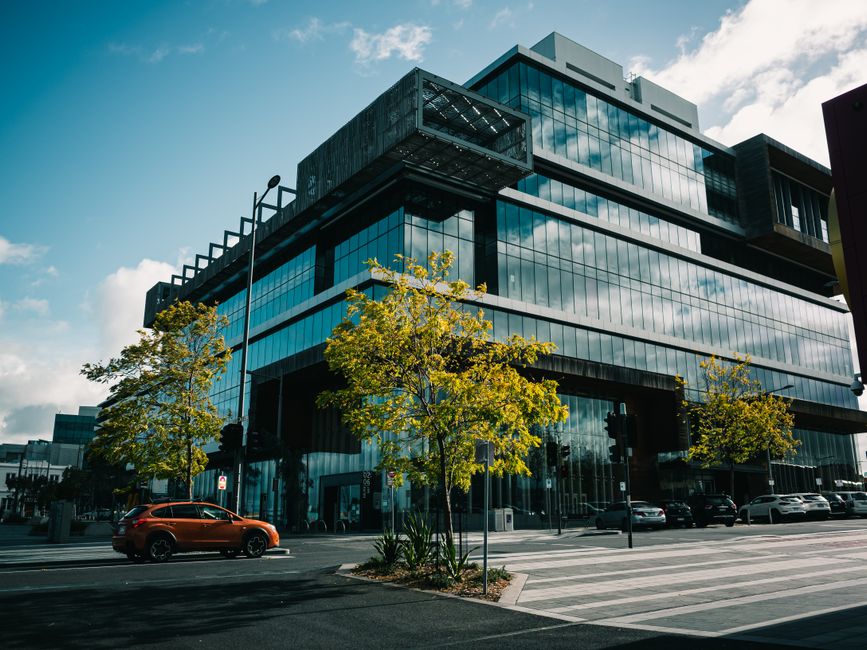
Walk down Albert Street on any given Tuesday morning, and you'll spot them: café owners checking their phones for the latest Reserve Bank commentary, boutique retailers calculating how shifting consumer spending patterns might affect their South Bank footprint, and tech startup founders in Fortitude Valley analysing venture capital activity reports.
They're reading the economic tea leaves—and increasingly, Brisbane's small business owners are becoming fluent in the language of data that once seemed the exclusive domain of investment banks.
Queensland's June quarter economic indicators paint a picture of cautious optimism mixed with genuine uncertainty. The state's economy grew at 0.3 per cent in the March quarter, according to recent ABS data, while inflation remains sticky despite expectations of interest rate cuts later this year. For small business operators, these signals matter enormously.
Consider the commercial property market. According to recent valuations, office space in the CBD now averages $650-750 per square metre annually—down from peaks above $900 just two years ago. This represents opportunity for expanding firms, yet it also signals reduced investor confidence. A serviced office operator in the Valley explained the paradox: lower rents attract tenants, but landlords are cautious about long-term leasing commitments.
Investment flows tell another story. Brisbane's startup ecosystem attracted approximately $340 million in venture capital during 2025, compared to $290 million the previous year—growth, but at a measured pace compared to Sydney or Melbourne. Tech and biotech sectors remain attractive; however, traditional retail and hospitality investors are notably more circumspect.
The Reserve Bank's quarterly Statement on Monetary Policy, released just weeks ago, flagged persistent services inflation—meaning labour costs, which represent 60-80 per cent of operational expenses for service businesses across Southbank, West End, and the CBD, remain under upward pressure.
What should Brisbane's entrepreneurs actually do with this information? Financial advisors increasingly recommend stress-testing business models against multiple scenarios: what happens if rates stay higher for longer? What if consumer spending weakens further? Conversely, what opportunities emerge if inflation finally breaks?
The small business owners succeeding right now aren't those avoiding economic data—they're those translating it into strategy. That means understanding that today's softer property market creates entry opportunities, that rising labour costs demand efficiency innovations, and that measured investment growth means competition for funding remains real.
Brisbane's economic indicators aren't crystal balls. But for entrepreneurs willing to decode them, they're valuable navigation tools in uncertain times.
This article was compiled by AI from the sources linked above and screened before publishing. See our editorial standards.
Daily Network
About this article
Published by The Daily Brisbane
Daily brief
Free, in your inbox before 7am. Weekdays.
More from The Daily Brisbane