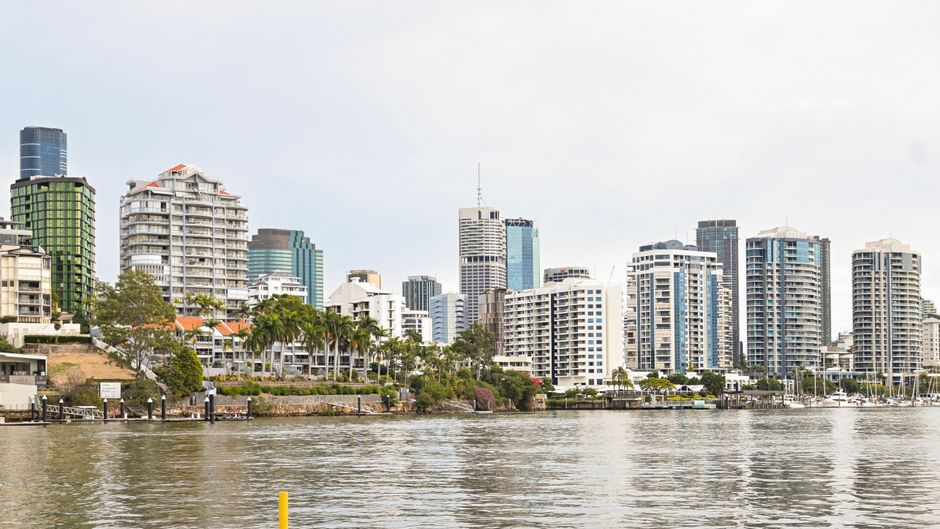
Brisbane's business community is grappling with an uncomfortable reality: what happens in Tehran, Islamabad and Washington doesn't stay overseas anymore. The cascade of geopolitical tensions rippling across the Middle East and South Asia is already reshaping investment decisions, borrowing costs and operational strategies for firms across the CBD and South Bank.
The current climate of escalating regional conflicts and tentative diplomatic standoffs is creating immediate headwinds. Currency markets have become noticeably volatile—the Australian dollar has swung wildly against the US greenback in recent weeks, directly impacting Brisbane-based exporters and import-reliant retailers. For businesses along Queen Street and in Eagle Street's financial quarter, this volatility translates into real costs: hedging expenses spike, procurement budgets stretch further, and pricing power shrinks.
"We're seeing clients reassess their risk exposure," explains the sentiment from major financial services firms headquartered in South Bank, which manage substantial institutional portfolios. International conflict scenarios force portfolio managers to recalibrate allocation models—energy stocks become unpredictable, shipping insurance costs climb, and client confidence wobbles. Brisbane firms managing superannuation assets for regional clients face mounting pressure to justify exposure to geopolitically sensitive sectors.
The supply chain dimension cuts deeper for retail and manufacturing operators. Retailers operating across the Fortitude Valley's booming precinct face upstream cost increases. Electronics, textiles and machinery sourced through global corridors now carry premium freight rates and longer lead times. Consumer discretionary spending, already pressured by elevated interest rates, is further constrained when businesses pass these costs downstream.
Real estate development projects are similarly affected. Several significant developments underway in Kangaroo Point and along the riverside precincts depend on international finance and imported materials. When geopolitical risk premiums drive up borrowing costs and shipping timelines extend unpredictably, project economics deteriorate rapidly. Developers are extending timelines and reassessing return assumptions.
Interestingly, this turbulence is creating pockets of opportunity. Firms offering logistics optimisation, currency hedging services, and supply chain consulting are experiencing unexpected demand growth from Brisbane-based clients seeking to insulate operations from external shocks. Professional services firms in the city are hiring specialists in risk management and geopolitical analysis.
For Brisbane's broader economy—still recovering from earlier pandemic and flood impacts—this added layer of global complexity comes at a testing moment. The city's recovery depends on sustained business confidence and investment. When geopolitical uncertainty elevates cost structures and dampens growth projections, even resilient operators slow their expansion plans.
Business leaders increasingly acknowledge that local strategy must now explicitly account for global instability. It's an uncomfortable adjustment for a city accustomed to viewing itself as insulated from international upheaval.
This article was compiled by AI from the sources linked above and screened before publishing. See our editorial standards.