What Brisbane Residents Really Need to Know About the Tourism Boom Reshaping Their City
As visitor numbers surge and accommodation prices climb, everyday locals face both opportunities and trade-offs in their own backyard.
As visitor numbers surge and accommodation prices climb, everyday locals face both opportunities and trade-offs in their own backyard.
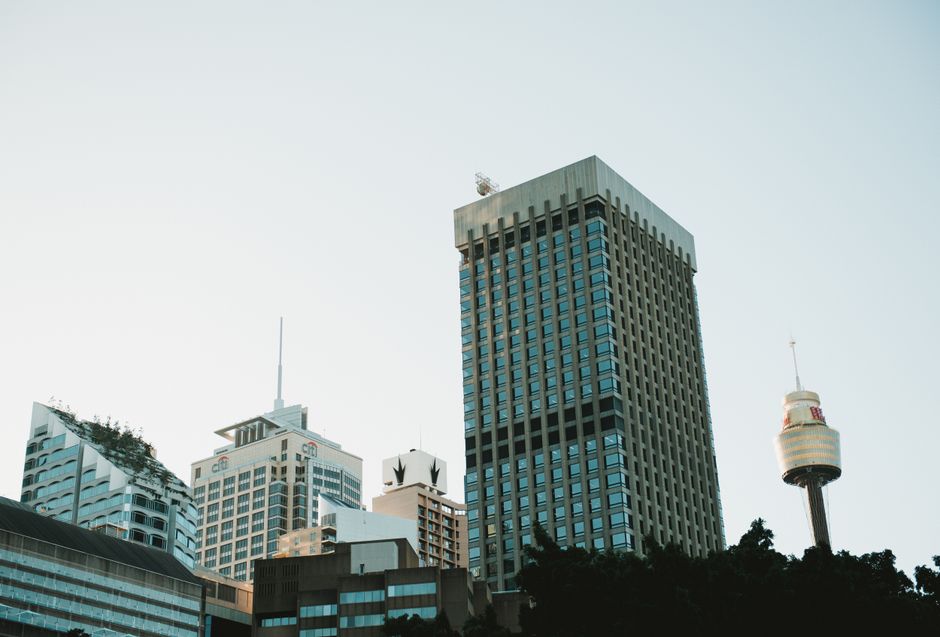
Brisbane's visitor economy is experiencing unprecedented growth, but many residents don't fully grasp what this means for their daily lives, their wallets, and the fabric of their neighborhoods.
International visitor numbers to Brisbane have climbed steadily over the past three years, with projections suggesting the city could attract 4 million visitors annually by 2030—nearly double pre-pandemic levels. While this generates jobs and tax revenue, it's reshaping everything from property rental markets to parking availability in inner-city suburbs like South Bank and New Farm.
Here's what matters to you: accommodation costs are affecting long-term rentals. Short-term holiday rental platforms have converted thousands of residential apartments into tourist accommodation, particularly in high-traffic areas near the Brisbane River and along the Southbank precinct. This has tightened the rental supply for locals. A one-bedroom apartment that might have rented for $400 weekly to residents now generates triple that through Airbnb-style platforms. Real estate agencies report reduced inventory in the $350–$450 weekly rental bracket.
Hospitality and retail businesses are capitalizing on visitor spending, creating genuine employment opportunities. However, wage growth hasn't matched cost-of-living increases, meaning these new jobs often don't pay enough to offset higher housing costs.
Public spaces are changing too. South Bank Parklands, the Brisbane Powerhouse precinct, and retail strips on James Street in Fortitude Valley are increasingly oriented toward visitor experiences. Coffee that cost $4.50 three years ago now runs $6.50 or higher. Restaurant bookings in popular neighborhoods require weeks of advance planning.
The positive side is genuine: infrastructure investment follows tourism growth. The state government has committed funding to improve transport links, parks, and cultural institutions specifically because of visitor economy projections. Local businesses employing 50,000-plus people directly depend on visitor spending.
For everyday residents, the key understanding is this: tourism isn't happening to Brisbane—it's a structural shift remaking the city's economics. Property investors and hospitality businesses benefit most obviously. But residents also benefit from improved transport, safer streetscapes, and cultural events. The trade-off is reduced housing affordability and changed neighborhood character.
Rather than resisting tourism, residents should demand that growth delivers for them too: affordable housing policies, local hiring commitments from major hotels and venues, and protection of residential neighborhoods from over-commercialization. Brisbane's visitor boom is locked in. How it affects you depends on whether local voices shape how it unfolds.
This article was compiled by AI from the sources linked above and screened before publishing. See our editorial standards.
Daily Network
About this article
Published by The Daily Brisbane
Daily brief
Free, in your inbox before 7am. Weekdays.
More from The Daily Brisbane