Reading the Tea Leaves: What Brisbane's Economic Indicators Really Tell Us About Investment Flows
As global capital shifts and local property markets cool, understanding the signals beneath headline figures has never mattered more for Brisbane investors and workers.
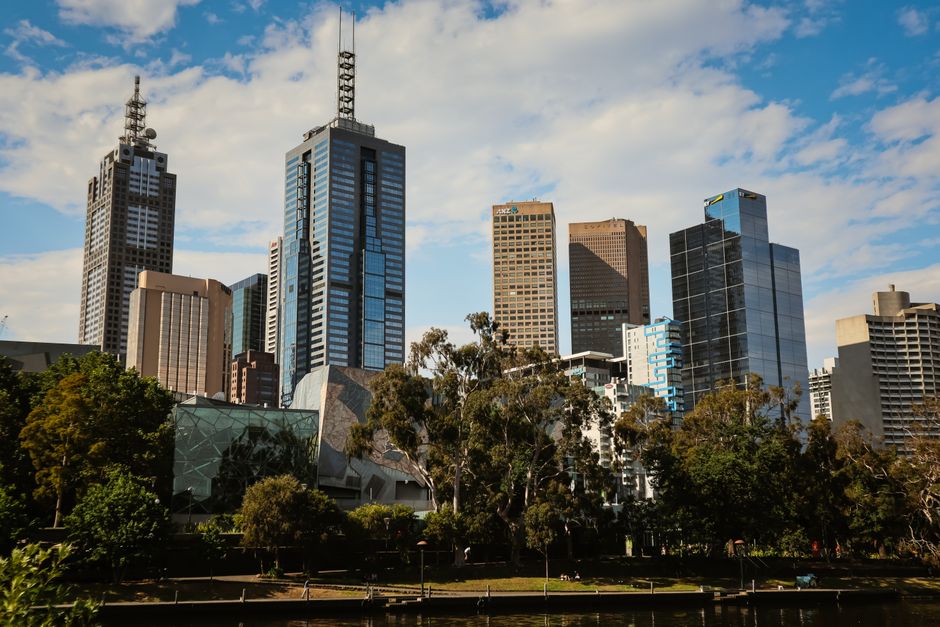
Walk through the South Bank Parklands on a weekday afternoon and you'll see the visible markers of Brisbane's economic story: cranes dotting the skyline above Fortitude Valley, new apartment towers rising along Grey Street, and the South Brisbane riverside precinct bustling with activity. But beneath these tangible signs lies a more complex picture that requires decoding—one that economic indicators and investment flow data are beginning to reveal with uncomfortable clarity.
Brisbane's residential property market, which boomed spectacularly from 2020 to 2024, is experiencing a notable recalibration. Median house prices in inner suburbs like New Farm and Paddington have softened from their 2024 peaks, while rental yields across the greater Brisbane area have compressed to levels not seen in a decade. These aren't merely statistical blips; they reflect real shifts in where capital is moving and why.
The economic indicators telling this story are threefold. First, foreign direct investment into Queensland has moderated substantially since late 2024, with Asian investors—historically Brisbane's largest source of offshore capital—rotating into alternative markets. Second, domestic investors are increasingly differentiating between growth corridors and mature suburbs, redirecting funds toward emerging precincts like the Gabba precinct and Brisbane Airport surrounds. Third, the Reserve Bank's interest rate trajectory, now hovering above 4 per cent, has fundamentally altered the mathematics of property investment returns.
For workers and homebuyers navigating the cost-of-living squeeze, these investment flows matter tremendously. When institutional capital retreats from residential markets, it doesn't disappear—it redistributes. Currently, significant flows are channelling toward Brisbane's industrial and logistics sector, particularly properties servicing e-commerce and supply chain operations around the Port of Brisbane and inland distribution hubs. This capital reallocation is why vacancy rates in modern warehouse space near Pinkenba remain negligible, while residential rental stock sits more comfortably supplied.
Understanding these dynamics requires looking beyond property prices alone. Wage growth data, vacancy rates across commercial and residential sectors, construction commencements, and migration patterns all paint a more complete picture. Brisbane's unemployment rate, sitting near 4 per cent, masks underemployment and wage stagnation in certain sectors—another crucial indicator for those assessing their economic security.
The Brisbane business community increasingly recognises that forward-looking economic literacy isn't optional. Whether you're a property investor reassessing your portfolio or a professional wondering whether relocating to Brisbane makes financial sense, the indicators are communicating: the easy gains of the recent past are exhausted, and success now demands sharper analysis of where capital is genuinely flowing and why.
This article was compiled by AI from the sources linked above and screened before publishing. See our editorial standards.
Daily Network
From the Daily Network
Related reporting from other cities in our network.