Brisbane's Office Market Faces Perfect Storm of Headwinds in 2026
Rising interest rates, hybrid work trends, and oversupply are creating unprecedented challenges for commercial property investors across the city's CBD and emerging precincts.
Rising interest rates, hybrid work trends, and oversupply are creating unprecedented challenges for commercial property investors across the city's CBD and emerging precincts.
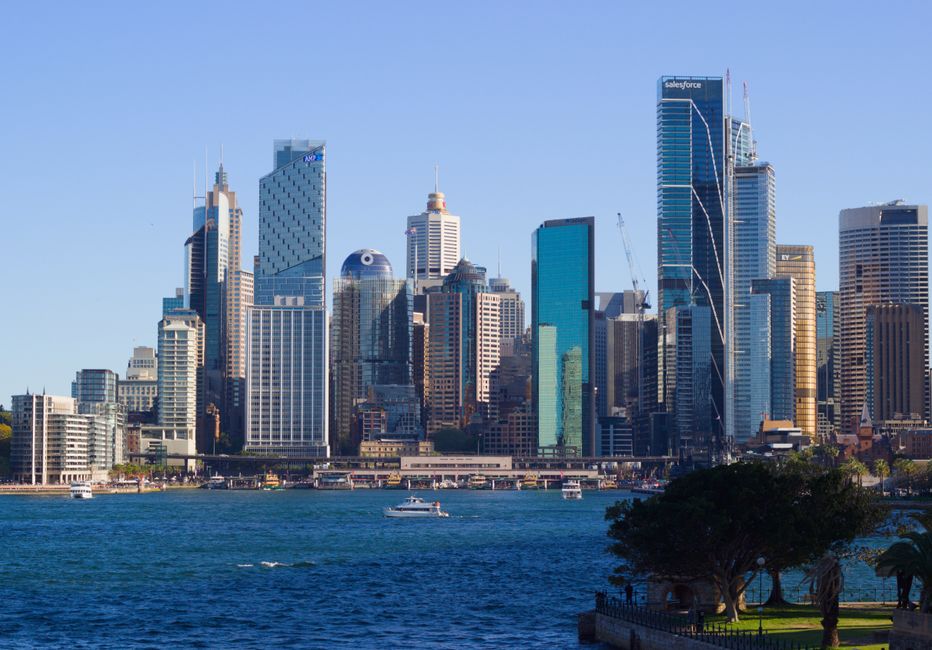
Brisbane's commercial property sector is navigating treacherous waters this year, with office landlords and investors confronting a convergence of structural challenges that threaten to reshape the city's skyline and investment landscape.
The most immediate pressure stems from persistent interest rate levels, which have kept borrowing costs elevated well into 2026. Properties across the CBD—from heritage-listed buildings on Queen Street to newer developments along Eagle Street—are changing hands at significantly lower multiples than their pre-2023 valuations. Sources within Brisbane's property circles report yields on institutional-grade assets have compressed, making traditional office investments far less attractive compared to alternative assets.
Yet the interest rate environment pales against a more insidious threat: the structural shift in how Brisbane businesses use office space. The hybrid work revolution, accelerated by the pandemic and now embedded in corporate culture, continues to suppress demand for traditional floor plates. Major occupiers have consolidated their footprints, returning surplus space to landlords across precincts from the South Bank to Fortitude Valley. Vacancy rates in secondary office towers have drifted toward double digits, a marked deterioration from historical norms.
The problem is compounded by oversupply in the pipeline. Several major projects that commenced during the market's euphoric 2021-2022 phase are now completing into a softer leasing environment. Landlords are increasingly forced to offer generous incentive packages—fit-out contributions, rent-free periods, and flexible lease terms—to attract tenants, eroding yields further.
The City Botanic Gardens precinct and Milton corridor are experiencing particular stress. While these areas were billed as the next frontier for Brisbane's office market, they remain under-leased relative to their supply. Developers and landlords who bet heavily on these locations now face difficult decisions about asset repricing and repositioning strategies.
Regulatory headwinds add another layer of complexity. Queensland's building standards and Brisbane City Council's requirements around sustainability compliance have driven upgrade costs for aging stock, forcing owners into capital-intensive decisions about whether refurbishment makes economic sense given current market conditions.
Perhaps most sobering for the sector: the cost-of-living crisis is prompting some businesses to reconsider their Brisbane footprint entirely, with remote work and distributed team models now standard practice rather than exception.
Industry participants acknowledge that while Brisbane remains an attractive secondary market with genuine long-term fundamentals, the next 12 to 18 months will require patience, realistic valuations, and strategic repositioning from asset owners.
This article was compiled by AI from the sources linked above and screened before publishing. See our editorial standards.
Daily Network
About this article
Published by The Daily Brisbane
Daily brief
Free, in your inbox before 7am. Weekdays.
More from The Daily Brisbane