What Every Brisbane Resident Needs to Know About Rising Interest Rates and Your Hip Pocket
As the Reserve Bank signals another tightening cycle, here's how it affects mortgages, rents and everyday costs across our city.
As the Reserve Bank signals another tightening cycle, here's how it affects mortgages, rents and everyday costs across our city.
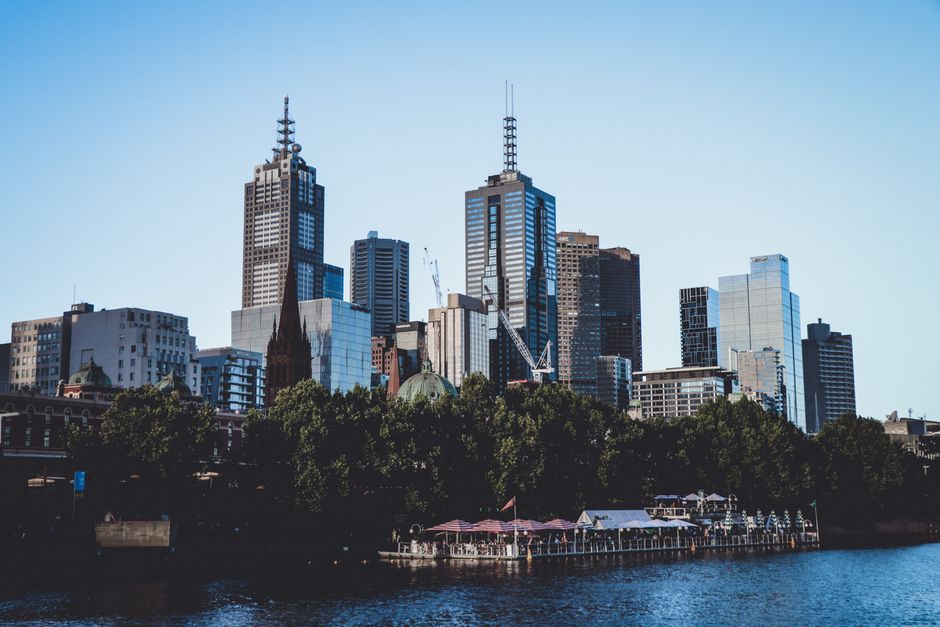
Walking down Queen Street or grabbing a coffee in South Bank, you'll hear the same refrain: everything costs more. That frustration isn't just perception—it's backed by hard numbers that matter to anyone living in Brisbane.
The Reserve Bank's recent signals about interest rates have created a domino effect rippling through household budgets across the city. For mortgage holders in suburbs like Paddington, Ascot and Toowong, where median house prices hover around $800,000 to $1.2 million, even a 0.25 percentage point rate rise translates to roughly $50-$100 extra per month on a typical home loan. For those carrying $500,000 mortgages—increasingly common among first-time buyers—that's real money.
But the impact extends far beyond mortgage stress. Rental markets in inner-city precincts like Fortitude Valley and New Farm are tightening, with median weekly rents climbing steadily. Higher interest rates typically suppress new rental construction, reducing supply precisely when demand remains strong from Brisbane's growing population.
The broader cost-of-living squeeze affects everyday items too. Groceries at Coles and Woolworths locations across the city reflect upstream inflation pressures. Restaurant meals in trendy precincts like Milton and Kangaroo Point have edged upward. Even gym memberships and school fees—major expenses for Brisbane families—track inflation closely.
What should residents understand? First, rate movements don't happen overnight, but their cumulative effect does. Second, your ability to refinance or switch loans matters enormously—shopping around can save thousands annually. Third, fixed-rate mortgages locked in at lower rates provide breathing room, though they eventually expire.
Local financial advisors recommend stress-testing your budget now. If rates rise another 1 percent, can your household absorb the hit? Building an emergency fund covering three to six months of expenses isn't glamorous advice, but it's essential in volatile times.
Brisbane's economy remains relatively resilient compared to southern capitals, and our property market has weathered previous cycles. However, the sweet spot for household finances lies in understanding your personal exposure. Know your loan structure, track your spending, and don't assume rates will stay low forever.
The Reserve Bank's job is managing inflation for the broader economy. Your job is protecting your family's financial security. Right now, those two objectives may not align perfectly—and that's what every Brisbane resident needs to grasp.
This article was compiled by AI from the sources linked above and screened before publishing. See our editorial standards.
Daily Network
About this article
Published by The Daily Brisbane
Daily brief
Free, in your inbox before 7am. Weekdays.
More from The Daily Brisbane