Brisbane's innovation corridor attracts early movers as South Bank transformation opens doors
A wave of tech startups and scale-ups is positioning itself to capture value as the city's startup ecosystem matures, with South Bank and Fortitude Valley leading the charge.
Brisbane's innovation sector is experiencing a tangible shift. Where five years ago the city struggled to compete with Sydney and Melbourne for venture capital and tech talent, a maturing ecosystem is now creating genuine opportunities—and some players are already capitalising on the moment.
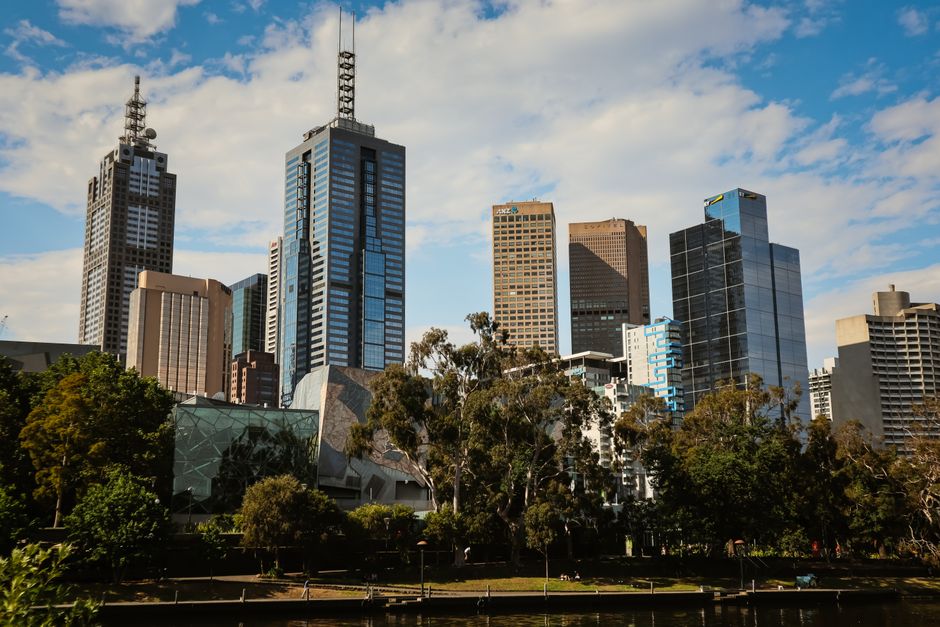
The catalyst is infrastructure and policy alignment. The Queensland Government's recent commitment to fast-track approvals for innovation hubs, combined with the completion of major developments around South Bank's cultural precinct, has created a genuine cluster effect. Fortitude Valley remains the heart of Brisbane's startup scene, with rents on Brewster Street and nearby laneways stabilising around $300–$400 per square metre annually—significantly cheaper than comparable Sydney addresses.
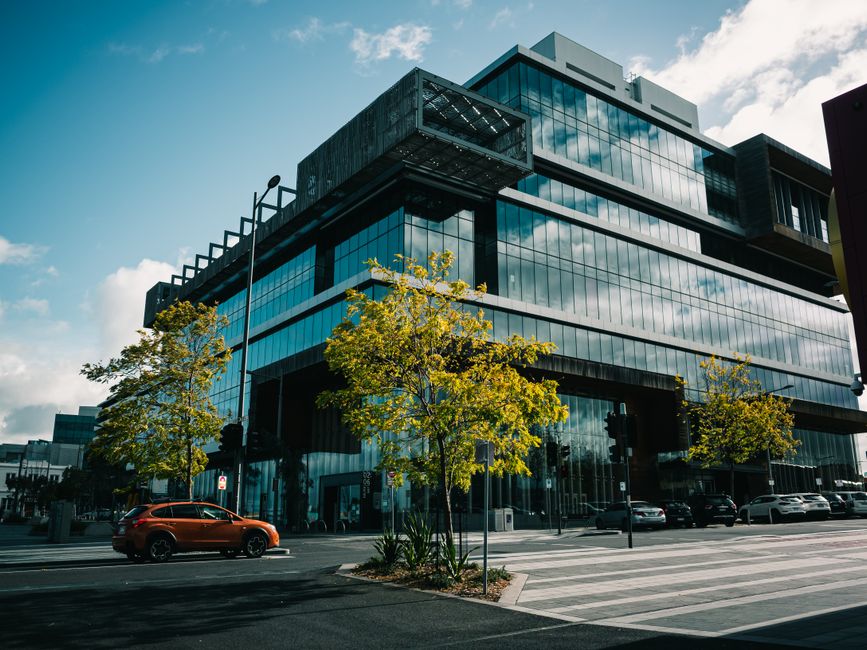
Real estate data compiled by local commercial agents shows office vacancy rates in inner-Brisbane innovation zones have tightened from 12 per cent two years ago to 7.8 per cent today. Property investors and developers are responding: three new mixed-use innovation buildings have broken ground since mid-2025, specifically designed to accommodate co-working spaces, lab facilities, and accelerator programs.
But infrastructure alone doesn't create ecosystems. The beneficiaries emerging now tend to cluster in specific sectors: deeptech (particularly quantum computing and advanced manufacturing), climate tech, and health innovation. Companies like those incubated through LaunchPad at the University of Queensland's Gatton campus are increasingly choosing to base operations in the city proper rather than moving interstate. Government procurement pathways—particularly contracts flowing from Brisbane City Council's sustainability commitments—are providing early revenue to firms that might otherwise struggle to find customers.
Talent is shifting too. Graduate retention from local universities has improved measurably. The Australian Computer Society's Brisbane chapter reports that engineering and software development roles advertised across the region received 34 per cent more applicants in the first quarter of 2026 compared to the same period last year—a sign that the city is beginning to retain its own talent.
The opportunity window, however, is neither infinite nor equally distributed. Access to capital remains tighter than in larger hubs. Early-stage founders report that venture investors increasingly visit Brisbane for due diligence, yet Series A funding for local startups typically requires moving capital conversations to Sydney or Melbourne. Startups without university or government connections face steeper funding climbs.
For now, those positioned to benefit are founders with technical depth, access to institutional backing, or alignment with government priorities. The window for others to establish themselves before valuations and rents reflect the city's newfound appeal remains open—but it's narrowing.
This article was compiled by AI from the sources linked above and screened before publishing. See our editorial standards.
Daily Network
From the Daily Network
Related reporting from other cities in our network.