Why Brisbane's Office Shake-Up Matters to Your Rent, Your Job, and Your City
As the CBD transforms and remote work reshapes demand, here's what everyday residents need to know about the commercial property upheaval reshaping our city.
As the CBD transforms and remote work reshapes demand, here's what everyday residents need to know about the commercial property upheaval reshaping our city.
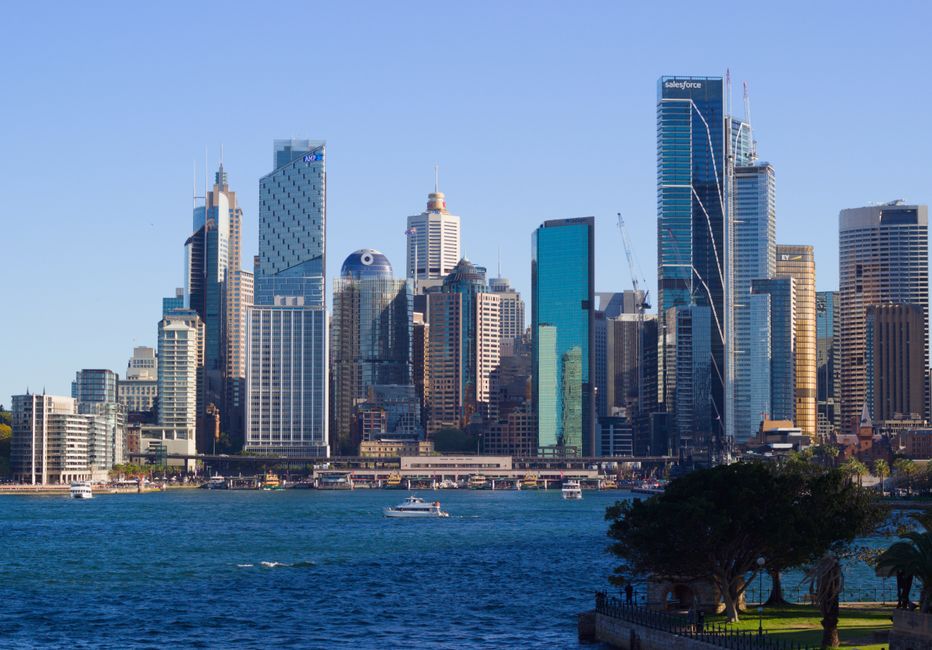
Brisbane's office market is undergoing a seismic shift, and while it might seem like corporate-speak irrelevant to most residents, the ripple effects will touch your wallet, your career prospects, and the neighbourhoods you call home.
The headline reality: vacancy rates in Brisbane's CBD have climbed to levels not seen in over a decade. Prime office space along Queen Street and in the Riverside precinct that once commanded premium rents is sitting empty as companies embrace hybrid working arrangements. This oversupply has begun pushing rental rates down—good news for businesses relocating here, but a warning sign about the health of our city centre.
What does this mean for you? First, job mobility. As companies downsize their physical footprint, they're consolidating operations or moving to secondary locations. Fortitude Valley and South Bank have emerged as attractive alternatives, with younger firms gravitating toward more flexible, design-forward spaces. If you're job hunting, understanding these shifts helps you target growth sectors.
Second, property values. The commercial slowdown isn't yet hammering residential markets, but investors are watching closely. Areas with strong office presence—like the precinct around the Queen Street Mall—are feeling more pressure than outlying suburbs. If you're considering property investment, this transition period creates both risks and opportunities depending on your timeline.
Third, your city's future. Empty office towers don't generate the foot traffic that keeps cafés, shops, and entertainment venues thriving. The vibrancy of our CBD directly affects whether inner-city living remains desirable. Several developers are now exploring conversion projects—transforming older office buildings into apartments and mixed-use spaces. These changes will reshape what Brisbane's centre looks like.
The broader context matters too. Brisbane's position as a major Asia-Pacific hub means our commercial real estate trends reflect global economic confidence. Recent interest rate movements and corporate uncertainty about recession have made companies cautious about long-term leases. That caution flows through to hiring freezes and delayed expansion plans affecting ordinary job seekers.
For residents, the practical takeaway is this: pay attention to development announcements around the Valley, South Bank, and West End. These neighbourhoods are becoming the new commercial heartland, which will influence where jobs grow, where rents might rise, and where Brisbane invests in transport and infrastructure.
The office market isn't just for property moguls and CFOs. It's a leading indicator of Brisbane's economic health and a blueprint for how our city will evolve over the next five to ten years.
This article was compiled by AI from the sources linked above and screened before publishing. See our editorial standards.
Daily Network
About this article
Published by The Daily Brisbane
Daily brief
Free, in your inbox before 7am. Weekdays.
More from The Daily Brisbane