Brisbane's Office Shake-Up: What It Means for Your Rent, Your Job, and Your Neighbourhood
Empty towers, soaring residential costs, and shifting workplace trends are reshaping Brisbane—and everyday residents should know why.
Empty towers, soaring residential costs, and shifting workplace trends are reshaping Brisbane—and everyday residents should know why.
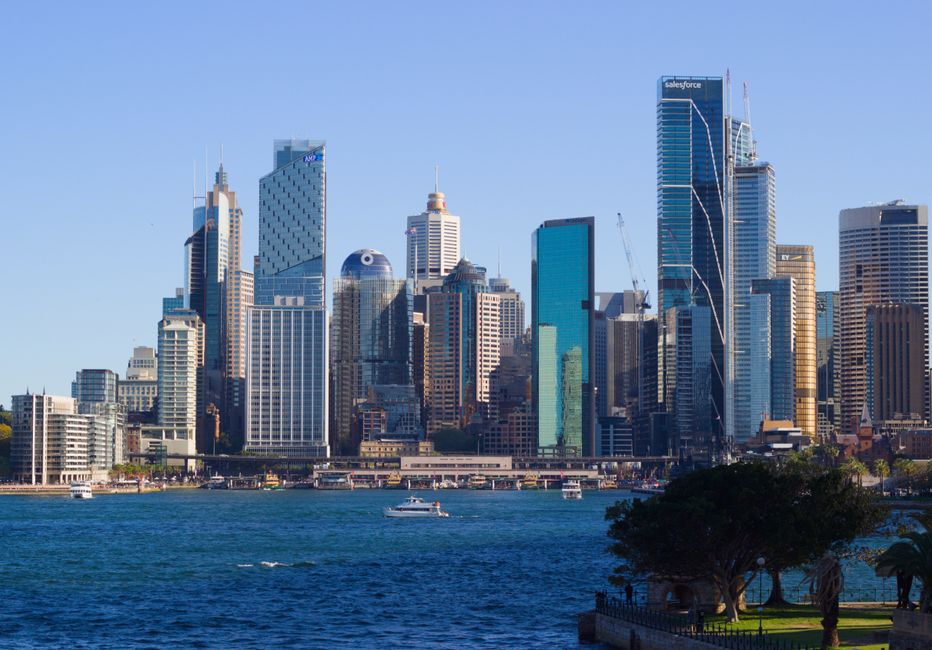
Walk through Brisbane's CBD on a Friday afternoon and you'll notice something that would have seemed unthinkable five years ago: empty office towers. The commercial property market that once powered Queensland's growth is undergoing a profound reset, and understanding what's happening isn't just for property investors—it affects where you live, how you work, and what your city looks like.
The numbers tell the story. Office vacancy rates across Brisbane's central business district have climbed to levels not seen since the Global Financial Crisis, with premium space around Queen Street and Eagle Street commanding lower rents as companies embrace hybrid work arrangements. Meanwhile, older office buildings—think the mid-rise towers from the 1980s and 1990s—are struggling harder than their modern counterparts, creating a two-tier market that's reshaping commercial real estate values across the city.
Here's why this matters to you. First, the residential angle: developers who once competed fiercely for office projects are increasingly pivoting toward apartments and mixed-use developments. We're seeing this play out in Fortitude Valley and South Brisbane, where conversion projects are transforming underutilised office space into housing. This shift could either ease housing pressure or create new challenges, depending on how thoughtfully it's done.
Second, employment patterns are changing. The traditional CBD-centric workplace is fragmenting. Co-working spaces in West End and Paddington are expanding, while some companies are scaling back their Brisbane footprint entirely. If you're job hunting or thinking about changing careers, the opportunities increasingly aren't concentrated in one gleaming tower on Adelaide Street.
Third, your neighbourhood's character is up for grabs. As commercial districts contract or transform, they're either revitalised or they decline. Southbank and the Cultural Precinct are thriving partly because they've diversified beyond traditional office work. Other precincts aren't so fortunate.
What should everyday residents actually do with this information? If you're renting, watch where new residential projects are emerging—these areas often see infrastructure investment and lifestyle improvements before property prices spike. If you're employed in traditional office roles, consider whether your employer's long-term commitment to Brisbane is genuine or contingent. And if you love your neighbourhood, pay attention to what's being built nearby. The commercial property downturn isn't a disaster—it's a chance to shape what comes next.
Brisbane's office market correction is ultimately a reset. The city built on the assumption that office towers would multiply forever. They won't. What replaces them, and how neighbourhoods adapt, depends partly on decisions made in boardrooms—and partly on what residents demand from their city.
This article was compiled by AI from the sources linked above and screened before publishing. See our editorial standards.
Daily Network
About this article
Published by The Daily Brisbane
Daily brief
Free, in your inbox before 7am. Weekdays.
More from The Daily Brisbane