Brisbane's Office Market Faces Perfect Storm of Headwinds in 2026
Rising vacancy rates, hybrid work adoption and interest rate pressures are creating a testing environment for commercial property investors across the CBD and inner suburbs.
Rising vacancy rates, hybrid work adoption and interest rate pressures are creating a testing environment for commercial property investors across the CBD and inner suburbs.
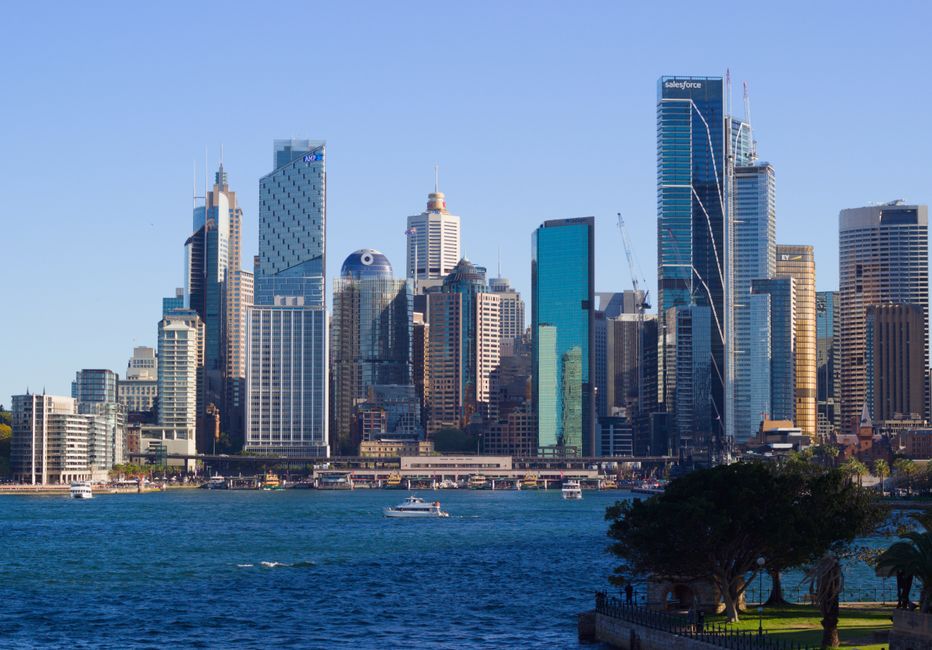
Brisbane's commercial property sector is navigating a challenging landscape as 2026 unfolds, with office vacancy rates climbing and investor sentiment wavering across the CBD and established precincts like South Bank and Fortitude Valley.
The ongoing shift towards hybrid and remote working arrangements continues to reshape demand for traditional office space. Major occupiers are consolidating their footprints, particularly along Queen Street and in the newly developed precinct around the Brisbane River, as companies reassess their real estate needs post-pandemic.
Vacancy rates in the CBD have drifted towards 8-9 percent, according to recent market assessments, significantly higher than the sub-5 percent levels that characterised the pre-2020 environment. This backdrop is putting downward pressure on rental yields, which have compressed to around 4.5-5 percent in many premium locations—a margin that concerns investors seeking stronger returns.
Interest rate expectations remain a critical headwind. While the Reserve Bank has signalled stability, borrowing costs remain elevated compared to historical averages, making acquisition finance more expensive. Developers and institutional investors have become more cautious about new projects, with several planned office developments in the Newstead and New Farm corridors either delayed or scaled back.
The economic uncertainty rippling through global markets—from geopolitical tensions to currency volatility—has also dampened appetite among foreign investors, traditionally significant participants in Brisbane's commercial market. Institutional capital remains available, but institutional buyers are more selective about location, tenant quality and yield.
Retail conversion represents one potential pathway forward. Several landlords are exploring mixed-use redevelopment opportunities, particularly in secondary CBD locations and along Wickham Street in Fortitude Valley, where ground-floor hospitality and experiential retail can complement office space above.
The sustainability agenda is simultaneously creating both challenges and opportunities. Older office buildings that don't meet modern environmental standards face pressure to upgrade or risk further vacancy, adding to investor costs. Conversely, Grade-A properties with strong environmental credentials continue to attract premium rents and institutional capital.
Market participants remain optimistic about Brisbane's longer-term fundamentals—population growth, infrastructure investment and corporate decentralisation from the south—but acknowledge that the near-term outlook requires patience and strategic positioning. For investors and developers, 2026 is shaping as a year of consolidation rather than aggressive expansion.
This article was compiled by AI from the sources linked above and screened before publishing. See our editorial standards.
Daily Network
About this article
Published by The Daily Brisbane
Daily brief
Free, in your inbox before 7am. Weekdays.
More from The Daily Brisbane