From South Bank to Silicon Valley: Brisbane Entrepreneur Charts Bold Path in Climate Tech
As the city solidifies its reputation as a tech hub, one local innovator is turning environmental challenges into business opportunities.
As the city solidifies its reputation as a tech hub, one local innovator is turning environmental challenges into business opportunities.
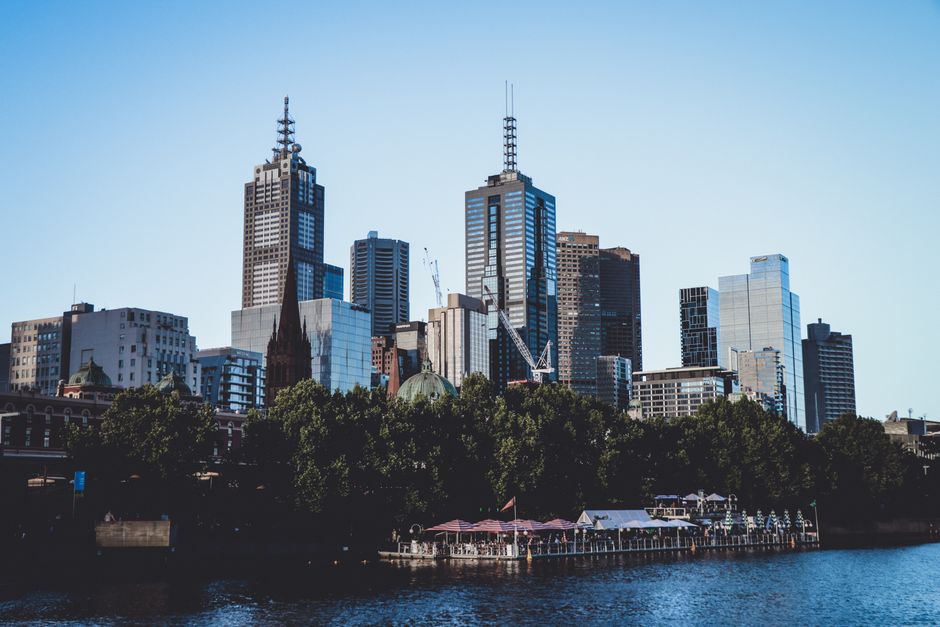
Brisbane's startup ecosystem has experienced remarkable growth over the past three years, with venture capital investment reaching $847 million in 2025—a 34 per cent increase on the previous year. At the heart of this momentum sits a new generation of entrepreneurs reshaping how the city thinks about innovation, sustainability, and global competitiveness.
One standout player is navigating this landscape from a nondescript office building in Fortitude Valley, where a growing number of tech firms have clustered around the intersection of Brunswick and Wickham streets. The neighbourhood has quietly become Brisbane's answer to inner-city innovation districts, with co-working spaces, accelerators, and venture studios now commonplace where warehouses once dominated.
The startup scene here reflects broader trends: Queensland's renewable energy sector is booming, with government targets requiring 80 per cent of electricity from renewables by 2035. This creates enormous opportunity for entrepreneurs building solutions around energy efficiency, grid management, and carbon accounting. Local venture firms like River Develop and Telstra Ventures have become increasingly active in backing climate-focused founders, recognising both the environmental imperative and commercial potential.
Brisbane's advantages as a startup hub are becoming clearer. Property costs remain substantially lower than Sydney or Melbourne—commercial office space in Fortitude Valley averages $400–$550 per square metre annually, compared to $700+ in comparable Sydney inner-city precincts. The city also benefits from proximity to established industries: agriculture, resources, and logistics all represent fertile ground for innovation-driven disruption.
The University of Queensland and Queensland University of Technology have strengthened their engagement with the entrepreneurial community, launching several accelerator programs and research commercialisation initiatives. Meanwhile, the Brisbane Convention and Exhibition Centre precinct in South Brisbane has become a regular venue for startup pitches, investor showcases, and innovation conferences.
Still, challenges remain. Attracting top-tier venture capital and world-class engineering talent remains harder in Brisbane than in Australia's larger tech hubs. Many promising startups eventually relocate to Sydney for Series B funding or to access deeper talent pools. Yet the trajectory is unmistakably upward.
For entrepreneurs considering Brisbane, the calculus is shifting. Lower costs, government support through Queensland's Jobs and Investment Growth Fund, and a genuinely collaborative community of founders create a compelling case. As global supply chains recalibrate and companies increasingly value geographic and regulatory diversity, Brisbane's moment may finally be arriving—not as a branch office for Sydney-based firms, but as a genuine innovation centre in its own right.
This article was compiled by AI from the sources linked above and screened before publishing. See our editorial standards.
Daily Network
About this article
Published by The Daily Brisbane
Daily brief
Free, in your inbox before 7am. Weekdays.
More from The Daily Brisbane