Brisbane's startup boom faces reality check as investors tighten purse strings
Rising interest rates and global economic uncertainty are reshaping what founders need to know about funding, talent retention and market survival in 2026.
Rising interest rates and global economic uncertainty are reshaping what founders need to know about funding, talent retention and market survival in 2026.
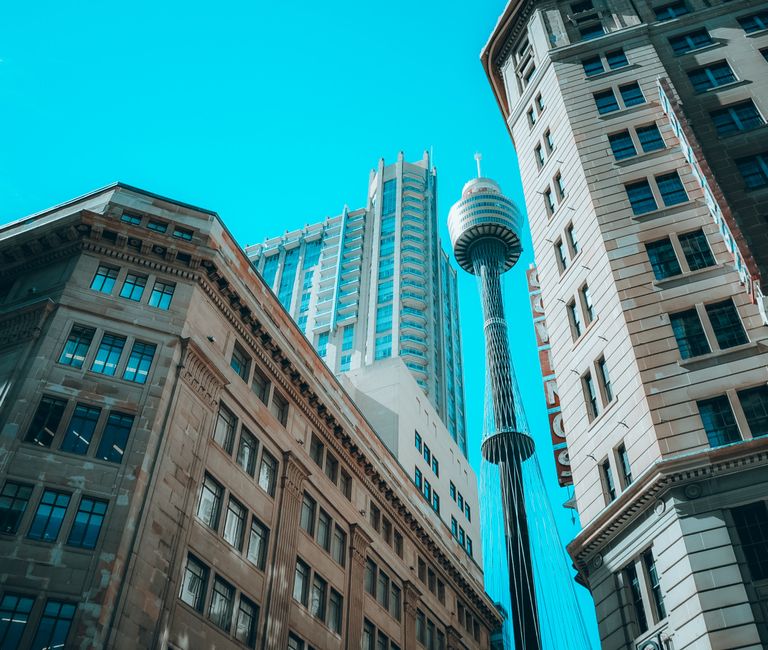
Brisbane's innovation district is experiencing a sobering shift. After years of explosive growth centred around Fortitude Valley and South Bank, the startup ecosystem is confronting tighter capital conditions, rising operational costs, and a marked change in investor appetite.
Data from the Brisbane Innovation Hub shows venture funding into Queensland startups fell 34 per cent in the first half of 2026 compared to the same period last year. That's forcing founders to rethink their growth strategies and the support infrastructure they depend on.
"The easy money is gone," says the consensus among operators at co-working spaces along Wickham Street and in the Eagle Street precinct. Startups that burned through capital on aggressive marketing and rapid hiring are now facing hard questions about runway and profitability.
The shift has particular implications for Brisbane's growing biotech and health-tech sectors. Companies emerging from partnerships with the University of Queensland and the Translational Research Institute in Woolloongabba are finding investor due diligence more rigorous. Founders report that securing Series A funding now requires demonstrable revenue traction—a stark contrast to 2024, when compelling product vision alone could attract capital.
Talent retention is another pressing concern. Salary growth for senior tech roles has plateaued, making it harder for Brisbane startups to compete with Sydney and Melbourne counterparts. Several promising companies have watched key engineers and product leads relocate south this year.
However, there are bright spots. Government support remains robust. Queensland's $200 million innovation fund continues backing deep-tech ventures, particularly in advanced manufacturing and agtech—sectors where Brisbane has genuine competitive advantage. The state's lower cost base versus other capital cities is also proving resilient.
Commercial real estate in innovation hotspots tells an interesting story. Fit-outs on level 12 of 111 Eagle Street command premium prices, but landlords are increasingly flexible on lease terms as they court startup tenants. Several floors in converted heritage buildings around the Valley are being subdivided into smaller suites to accommodate bootstrap operations.
For businesses navigating this environment, the message is clear: unit economics matter now more than ever. Investors are asking hard questions about customer acquisition cost, lifetime value, and paths to cash-flow positivity. Startups with clear differentiation and defensible market positions are still finding capital, but the days of "move fast and break things" are over.
The Brisbane startup scene isn't in crisis—it's maturing. Founders who understood this shift early are already adjusting their strategies accordingly.
This article was compiled by AI from the sources linked above and screened before publishing. See our editorial standards.
Daily Network
About this article
Published by The Daily Brisbane
Daily brief
Free, in your inbox before 7am. Weekdays.
More from The Daily Brisbane