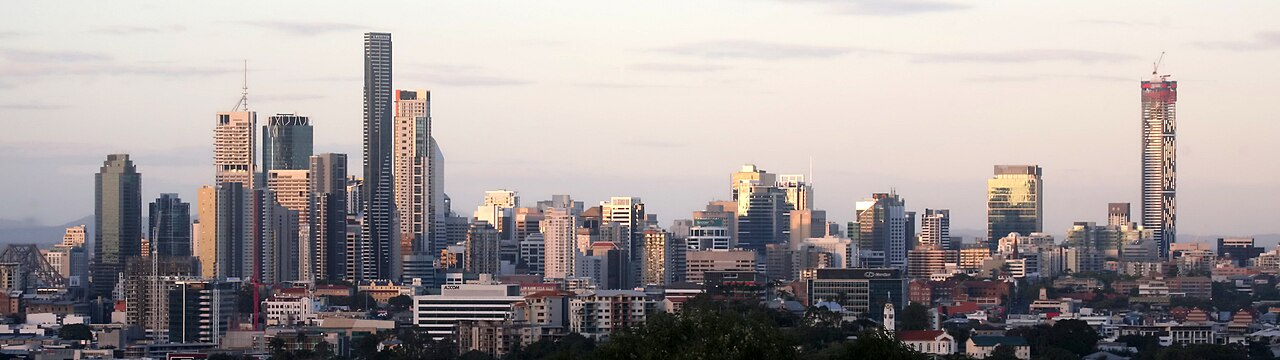
A quiet revolution is unfolding across Brisbane's business landscape. The rise of micro-entrepreneurs—freelancers, digital creators, and small-scale operators working from co-working spaces in South Bank and Fortitude Valley—is fundamentally reshaping how the city's talent market functions, with implications that stretch far beyond the startup community.
Recent trends suggest Brisbane is experiencing a significant shift in workforce preferences. The City Council's 2026 Business Growth Report indicated that 34 per cent of professionals aged 25-40 now have active side ventures, while 18 per cent have left traditional employment entirely in the past three years. This exodus is creating acute labour shortages in mid-level corporate roles while simultaneously energising the broader entrepreneurial ecosystem.
"What we're seeing is a recalibration of what 'employment' means in Brisbane," explains the co-working sector, which has expanded dramatically. Spaces like those around Southbank Parklands and along Brunswick Street now host hundreds of independent operators daily, a far cry from the traditional office towers that once dominated the city's employment narrative.
For established businesses, the implications are significant. Major employers across the CBD are facing intensified competition for skilled workers, forcing them to abandon rigid nine-to-five models. Companies in financial services and professional consulting—traditionally Brisbane's employment backbone—are increasingly offering flexible arrangements, equity participation, and professional development funding to retain talent.
The hospitality and creative sectors have been particularly affected. Brisbane's café culture, centred around areas like West End and Newstead, has become a de facto networking hub where freelancers, designers, and content creators build professional relationships that often lead to collaborative ventures rather than traditional hiring. This informal economy now rivals structured employment for many young professionals.
Property markets have shifted accordingly. Affordable inner-city neighbourhoods like Paddington and Fortitude Valley have become magnets for entrepreneurs seeking low-cost office space, further accelerating the decentralisation of Brisbane's business landscape away from traditional CBD corridors.
However, this transformation creates challenges. The informal nature of micro-entrepreneurship means less tax revenue predictability and fewer traditional benefits for workers. Recruitment agencies report struggling to fill senior positions, with candidates increasingly choosing portfolio careers over traditional progression pathways.
Industry observers suggest Brisbane's talent market is entering a new phase. Rather than fighting the trend, smart employers are adapting—creating partnerships with freelancers, building networks with co-working communities, and redesigning career structures to accommodate diverse working preferences. The city's unemployment rate remains competitive, but the nature of who fills those roles, and how, is changing fundamentally.
This article was compiled by AI from the sources linked above and screened before publishing. See our editorial standards.