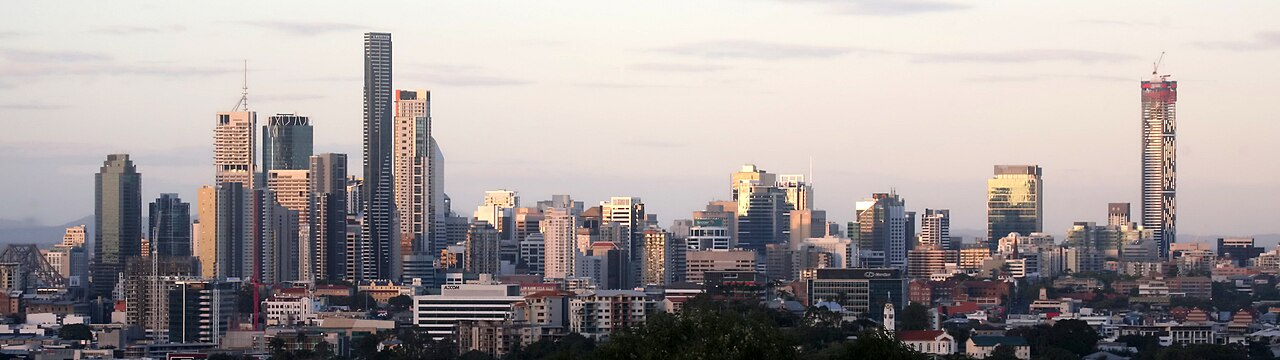
Why Brisbane's Office Boom Matters to Your Rent, Your Commute and Your City
Understanding the commercial property surge reshaping the CBD and inner suburbs could save you money and help you navigate Brisbane's changing landscape.
Understanding the commercial property surge reshaping the CBD and inner suburbs could save you money and help you navigate Brisbane's changing landscape.
Brisbane's office market is undergoing its most dramatic transformation in a decade, but unless you work in real estate, the headlines about tower developments and vacancy rates probably feel distant. The truth is far different. The decisions being made right now about where new offices get built, which neighbourhoods attract workers, and how much commercial space Brisbane needs directly affects your rent, your commute, and the viability of your local cafe.
The numbers tell a compelling story. Over the past 18 months, Brisbane's CBD office vacancy rate has tightened considerably from pandemic-era peaks, pushing premium rents toward $600 per square metre annually. But here's where it gets interesting for everyday residents: developers aren't just building in the city centre anymore. South Bank, Fortitude Valley, and increasingly Kangaroo Point are becoming satellite office hubs, fragmenting the traditional nine-to-five commute pattern.
Why should you care? Because when office workers scatter across multiple precincts instead of converging on Queen Street, it changes everything from public transport pressure to local spending patterns. A thriving Kangaroo Point office precinct means different demand for parking, different foot traffic for restaurants, and different congestion on Milton Road during rush hour.
The second wave reshaping Brisbane's commercial landscape involves flexible workspace. Co-working operators and hybrid-work models mean fewer workers need seats at permanent desks. This creates opportunity and uncertainty simultaneously. Landlords sitting on aging office stock face pressure to renovate or convert—some are exploring residential or mixed-use options. If you rent an apartment in the Valley or South Brisbane, understanding that your building might have started life as a commercial space, or that office space above your local pub could become apartments, helps you anticipate neighbourhood change.
The practical takeaway for residents involves three things. First, monitor where new office developments are announced—these attract workers, and workers need housing, which influences rents. Second, recognise that commercial property health affects your neighbourhood's vibrancy. Dead office parks create dead precincts. Third, if you're considering renting, buying, or investing property in inner-city Brisbane, understanding office market trends provides crucial context about whether an area is genuinely transforming or temporarily inflated.
Brisbane's office market isn't just a story for investors reading the Financial Review. It's reshaping your city's geography, influencing where jobs cluster, and determining which neighbourhoods thrive. Understanding these trends means you're not simply reacting to change—you're anticipating it.
This article was compiled by AI from the sources linked above and screened before publishing. See our editorial standards.
Daily Network
About this article
Published by The Daily Brisbane
Daily brief
Free, in your inbox before 7am. Weekdays.
More from The Daily Brisbane