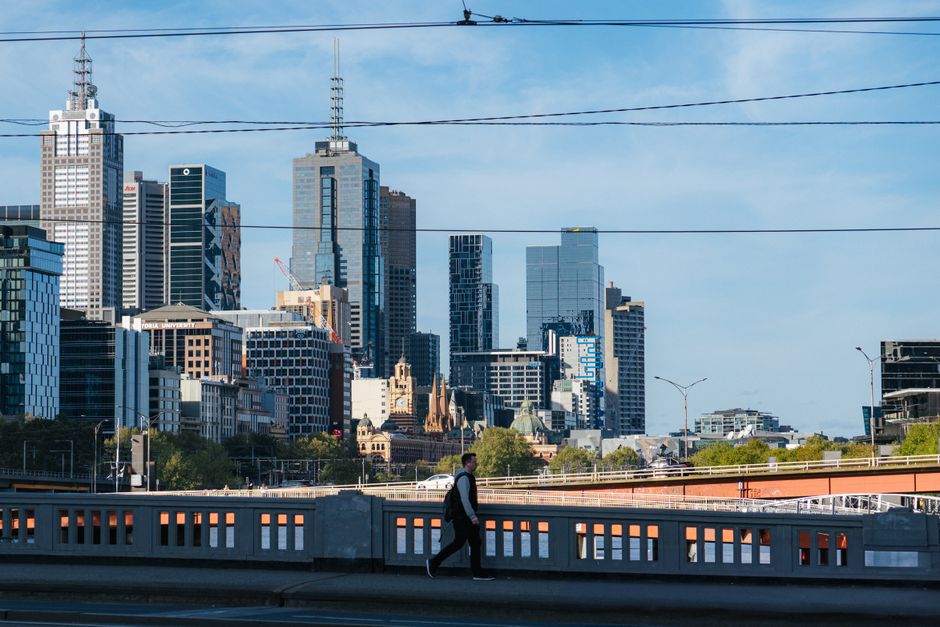
Walk down Grey Street in South Bank on any weekday morning and you'll notice something subtle: the artisan coffee roasters and independent lunch spots that anchor this neighbourhood are quietly reshaping how they source ingredients. It's a shift that's been building for months, and it matters far more to your wallet and your community than you might think.
Brisbane's small business sector—representing roughly 97 per cent of all enterprises in the greater metro area—is experiencing what economists call a "margin squeeze." Rent pressures in inner suburbs have climbed 8-12 per cent year-on-year, while wholesale food costs have remained elevated despite broader inflation cooling. For a café owner paying $4,500 monthly for a modest South Bank shopfront, every efficiency gain becomes existential.
The response from operators has been instructive. Rather than simply raising prices—a move that risks alienating the neighbourhood regulars who keep them alive—many are switching to hyperlocal suppliers. Greengrocers along the Fortitude Valley Produce Market are reporting increased interest from small venues seeking direct relationships that cut out middlemen. A 200-gram specialty coffee blend that cost $8.50 six months ago might now be sourced directly from roasters in Mareeba, shaving 15-20 cents off the retail price.
This matters to you because it fundamentally changes what's available and affordable in your neighbourhood. When a small business operator succeeds in stabilising costs, they can afford to stay open, keep staff employed, and maintain the character that makes inner Brisbane distinct from every other Australian CBD.
But there's a consumer responsibility here too. The café charging $5.80 for a flat white instead of $6.20 isn't necessarily taking a loss—they're optimising. When residents choose to shop local, pay fairly, and accept that small businesses operate on thinner margins than chain operators, they're voting for the survival of these places.
The Fortitude Valley Business Association reports that 34 per cent of independent traders have restructured their supply chains since early 2025. Some are succeeding. Others aren't. The difference often comes down to whether their customer base understands that every transaction is a referendum on the kind of neighbourhood they want to live in.
Next time you're ordering that morning coffee, knowing it came from a supplier the owner personally relationships with—rather than a contract logistics firm—you're participating in something larger than a transaction. You're making a choice about Brisbane's future.
This article was compiled by AI from the sources linked above and screened before publishing. See our editorial standards.