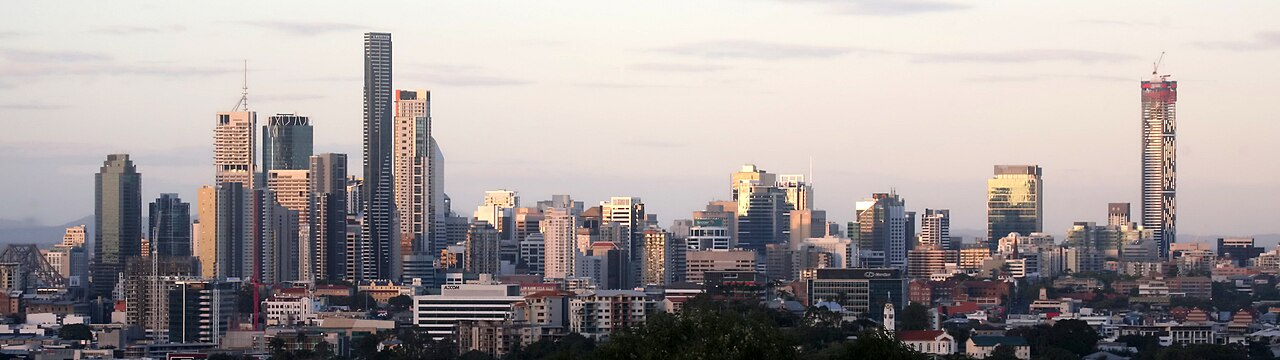
Brisbane's commercial property landscape is undergoing a seismic shift, and the ripple effects are reshaping how the city attracts, retains and deploys talent across its economy.
The trend is unmistakable: premium office space in the CBD—particularly around the Queen Street corridor and South Bank precincts—is experiencing a historic softening. Several major financial services firms and professional services networks have either consolidated their footprint or adopted genuinely flexible working arrangements, reducing their committed square meterage by 20–30 per cent over the past 18 months. Meanwhile, secondary office markets in Fortitude Valley, West End, and even emerging nodes like Toowong and Milton are seeing modest uplift as employers seek lower occupancy costs without sacrificing accessibility.
For Brisbane's talent market, this represents both disruption and opportunity. The traditional concentration of jobs in the CBD—the gravitational pull that once made inner-city living a necessity for ambitious professionals—is fragmenting. Workers are no longer chained to a single office address, and employers can no longer rely on geographic proximity as a competitive advantage.
Recruitment specialists report that Brisbane firms are now competing on culture, flexibility and career development rather than prestige location alone. Companies with generous remote policies and hybrid arrangements are expanding their talent acquisition radius, recruiting skilled workers from regional Queensland, interstate, and even internationally—without requiring them to relocate to expensive inner-city apartments.
This shift has immediate consequences for Brisbane's residential and transport infrastructure. The pressure on inner-city rental markets is easing slightly, while suburban precincts with good transport links—such as areas along the Cross River Rail corridor—are becoming more attractive to professionals seeking affordability and space. Long-term, this could reshape demographic patterns that have defined Brisbane's growth for the past decade.
However, not all sectors are embracing the hybrid model equally. Client-facing businesses, particularly in law, accounting, and wealth management, still maintain substantial CBD presences—a factor that keeps premium office values from collapsing entirely. The question now is whether Brisbane's commercial property market will stabilise at a lower equilibrium or continue trending downward as lease renewals force difficult decisions.
For job seekers and employers alike, the lesson is clear: geography is no longer destiny in Brisbane's labour market. Talent will increasingly flow to organisations offering genuine flexibility, regardless of their office address. That's a competitive pressure the city's employers—and its commercial property sector—cannot ignore.
This article was compiled by AI from the sources linked above and screened before publishing. See our editorial standards.