Brisbane's Startup Scene Is Shifting Fast — Here's What Founders Need to Know Right Now
Industrial land pressure, AI infrastructure demand and a cooling property market are reshaping where Brisbane's innovation economy grows next.
Industrial land pressure, AI infrastructure demand and a cooling property market are reshaping where Brisbane's innovation economy grows next.
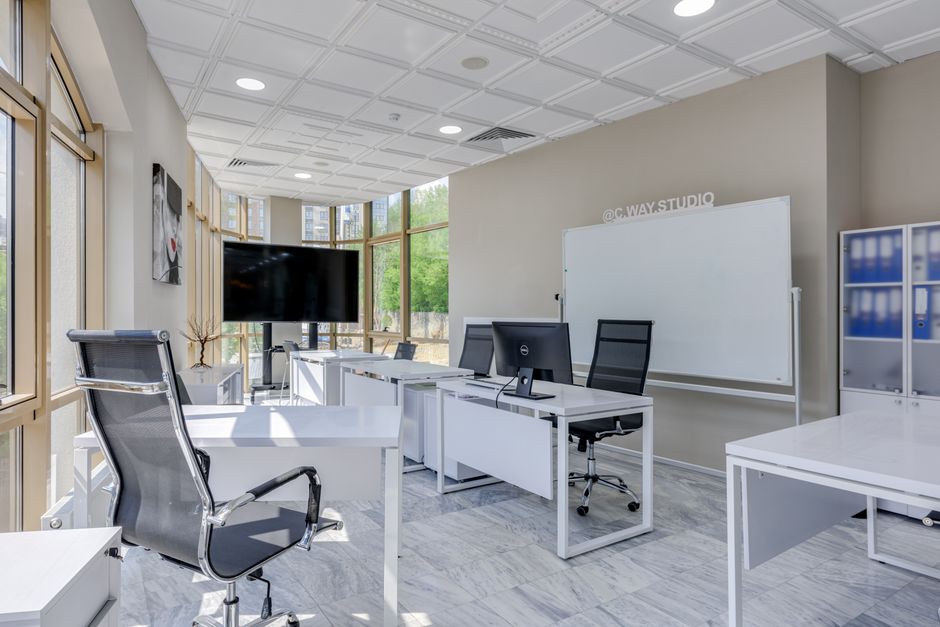
Brisbane's startup ecosystem is entering one of its most turbulent stretches in years. Industrial land in the inner south and near the Port of Brisbane is being gobbled up by data centre operators responding to surging AI infrastructure demand nationally, and the flow-on effects are already squeezing the light-industrial and co-working spaces that early-stage companies depend on. Founders who signed leases in 2023 expecting stable rents are discovering renewal terms that look nothing like the originals.
The pressure matters now because Brisbane is less than four years from the 2032 Olympic Games, and the city's pitch to global investors has never been louder. That pitch works only if the underlying infrastructure — affordable space, deep talent pools, reliable capital — holds together. Right now, at least one of those pillars is wobbling.
Fortitude Valley and Newstead have been the twin heartbeats of Brisbane's startup geography for the better part of a decade. Precinct coworking on Annie Street in Newstead, one of Queensland's larger dedicated innovation hubs, has seen wait times for private offices stretch to eight weeks as of June 2026, according to figures cited in the hub's own member communications seen by The Daily Brisbane. Meanwhile, the Fishburners Brisbane chapter at 155 Queen Street in the CBD reported in May that its hot-desk occupancy rate had climbed above 90 percent — a level it has not sustained since pre-pandemic 2019.
At the same time, the River City Labs accelerator program based at Railyards, a converted complex near Bowen Hills, has pushed its next intake cohort start date from August to October to accommodate a new curriculum strand focused on energy-tech and agri-tech verticals. That pivot is deliberate. Queensland's agricultural sector is generating genuine commercial interest in food-systems technology, partly driven by the national conversation around circular economy practices — composting partnerships between hospitality businesses and regional farmers are producing what industry observers are calling new upstream supplier relationships that startups can plug into.
The numbers facing founders are stark. Average gross rent for quality co-working private offices in inner Brisbane has risen to approximately $980 per desk per month in the June 2026 quarter, up from roughly $810 a year earlier, according to data compiled by commercial property advisory firm Colliers Queensland. For a five-person seed-stage team, that translates to nearly $60,000 annually in accommodation costs before a single line of code is written or a single hire is made.
Venture capital has not dried up, but it has moved. Brisbane-based VC firm Tenacious Ventures closed a second fund of $75 million in late 2025, and several of its portfolio companies are Queensland-headquartered, including two in the agri-tech space operating out of Toowoomba and the Lockyer Valley. The firm's investment pace suggests Queensland founders are still getting meetings, but conversion from pitch to term sheet is taking longer — an average of 14 weeks based on reported deal timelines from the first half of 2026, compared with 10 weeks in 2024.
The AI data centre land grab is also indirectly reshaping hiring. Large operators moving into the Hemmant and Wacol industrial corridors are pulling mid-level software engineers and network architects out of startup roles at salaries that early-stage companies simply cannot match. Founders need to factor that competition into their hiring plans from day one, not after they have lost their third infrastructure hire to a hyperscaler.
The practical advice from advisers working inside the Brisbane ecosystem right now amounts to this: lock in space agreements before the third quarter ends, explore the Queensland Government's Advance Queensland Industry Attraction Fund for co-investment eligibility, and look seriously at the secondary ring — suburbs like Albion, Windsor and Woolloongabba — where commercial conversions are still delivering rents 20 to 25 percent below Newstead rates. The Olympic infrastructure build is going to absorb enormous amounts of Woolloongabba's street-level attention from 2028, but right now, deals are still available. Founders who move in the next six months will thank themselves in 2029.
Advertise
Reach thousands of Brisbane readers daily. Contact us at hello@dailybrisbane.com.au to advertise.
Get in touch →Daily Network
About this article
Published by The Daily Brisbane
Daily brief
Free, in your inbox before 7am. Weekdays.
More from The Daily Brisbane


