Brisbane's Startup Boom Is Shifting: What Founders Need to Know Before Q3
Industrial land pressures, AI infrastructure demand and a cooling property market are reshaping where and how Brisbane's innovation economy grows.
Industrial land pressures, AI infrastructure demand and a cooling property market are reshaping where and how Brisbane's innovation economy grows.
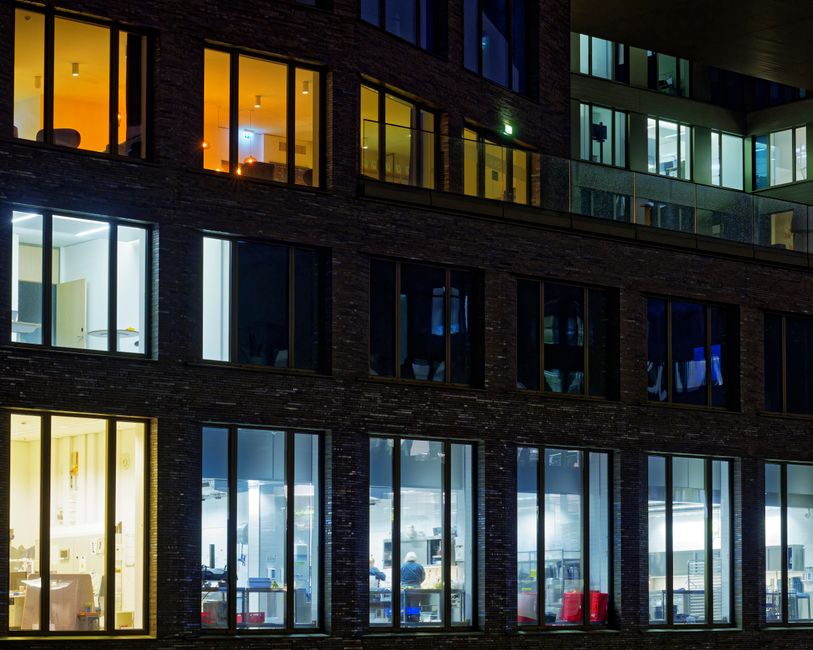
Brisbane's startup ecosystem is entering a new phase, and the signals are flashing in ways that founders and investors cannot ignore. Demand for industrial and commercial land across the inner-city fringe — particularly around Newstead, Fortitude Valley and the emerging Boggo Road Urban Village precinct — is tightening fast, driven partly by the national race to build AI data centres that experts now warn could stoke inflation and crowd out space for other high-growth businesses.
This matters right now because Brisbane is less than four years from co-hosting the 2032 Olympic and Paralympic Games, and the infrastructure build is already compressing available commercial real estate. Startups that assumed they could defer decisions about office or lab space are discovering their window is narrowing. The combination of data-centre land grabs, a sluggish residential property market that is keeping consumer spending cautious, and a federal political environment still sorting itself out after a bruising parliamentary fortnight makes the mid-2026 moment genuinely consequential for any early-stage business planning its next 18 months.
The Fortitude Valley tech corridor — running roughly from the intersection of Ann and Brunswick streets down toward the RNA Showgrounds precinct — has absorbed a significant number of new tenancies since early 2025. Gross commercial rents in that strip have moved from approximately $420 per square metre to closer to $510 per square metre over the past 12 months, according to figures circulating among commercial agents operating in the area. That's a 21 percent jump that most seed-stage companies did not budget for.
At the same time, River City Labs, headquartered at Level 3 of Startup House on McLachlan Street in Fortitude Valley, has seen its co-working and accelerator programs operating at or near capacity through the first half of 2026. The Queensland Government's Advance Queensland Industry Attraction Fund has continued to direct capital toward established scale-ups rather than seed-stage ventures, which is creating a gap in the middle of the market — companies that have cleared their first revenue milestones but are not yet large enough to attract state co-investment.
Further south, the Boggo Road Urban Village development near Dutton Park is positioning itself as a life-sciences and deep-tech cluster. The Translational Research Institute, anchored on the Princess Alexandra Hospital campus on Ipswich Road, is a key institutional partner in that precinct. Founders in biotech and health-tech are increasingly looking to that corridor rather than the Valley for longer-term tenancy, in part because the leases are structured over five-year terms rather than the short, flexible arrangements that suit early-stage but not growth-stage companies.
Three practical moves are worth considering before the end of Q3 2026. First, lock in any commercial tenancy negotiations now. The data-centre pipeline — with at least two major facilities planned for the Greater Brisbane industrial belt in Hemmant and Richlands — will add further pressure on logistics and commercial land within 12 months, and that pressure has a way of bleeding into adjacent markets.
Second, take the federal government's $392 million National Reconstruction Fund co-investment stream seriously. Applications for the advanced manufacturing and enabling capabilities stream close on a rolling basis, and Queensland-based manufacturers and deep-tech companies have historically underutilised this mechanism relative to their Victorian counterparts.
Third, the circular-economy and agri-food tech sectors are drawing genuine investor interest right now, partly because margins are improving as input costs stabilise and partly because food-waste and composting economics are shifting in ways that make the sector newly attractive to infrastructure-style capital. Brisbane-based founders in that space who have not yet engaged with the Queensland Farmers Federation's innovation programs are leaving relationship-building on the table.
The Brisbane startup scene has genuine momentum. The challenge heading into the back half of 2026 is that momentum and overcrowding can look identical until one of them wins.
Advertise
Reach thousands of Brisbane readers daily. Contact us at hello@dailybrisbane.com.au to advertise.
Get in touch →Daily Network
About this article
Published by The Daily Brisbane
Daily brief
Free, in your inbox before 7am. Weekdays.
More from The Daily Brisbane


