Moving to Brisbane: the complete 2026 guide
Australia's fastest-growing capital explained — the Olympics, the lifestyle, and what it costs.
Australia's fastest-growing capital explained — the Olympics, the lifestyle, and what it costs.
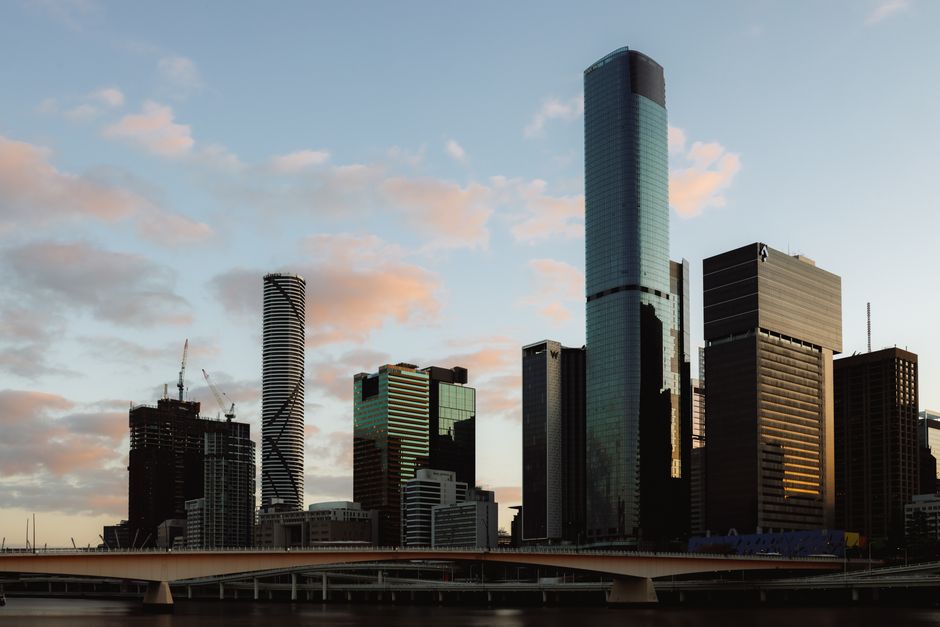
Brisbane is the city that the rest of Australia has been discovering since 2020 and that the 2032 Olympics has given a new global profile. The combination of the sub-tropical lifestyle, the improving cultural offer, and the cost differential to Sydney and Melbourne — still meaningful even as Brisbane's own prices have risen — continues to attract the interstate migration that is reshaping the city's population and its ambitions.
Brisbane is in the middle of its most significant decade since Expo 88 put it on the national map. The Cross River Rail, the Olympics infrastructure investment, the Queen's Wharf casino and entertainment precinct, and the GOMA expansion are all delivering a city infrastructure that supports the population growth and the cultural confidence that the migration surge has generated.
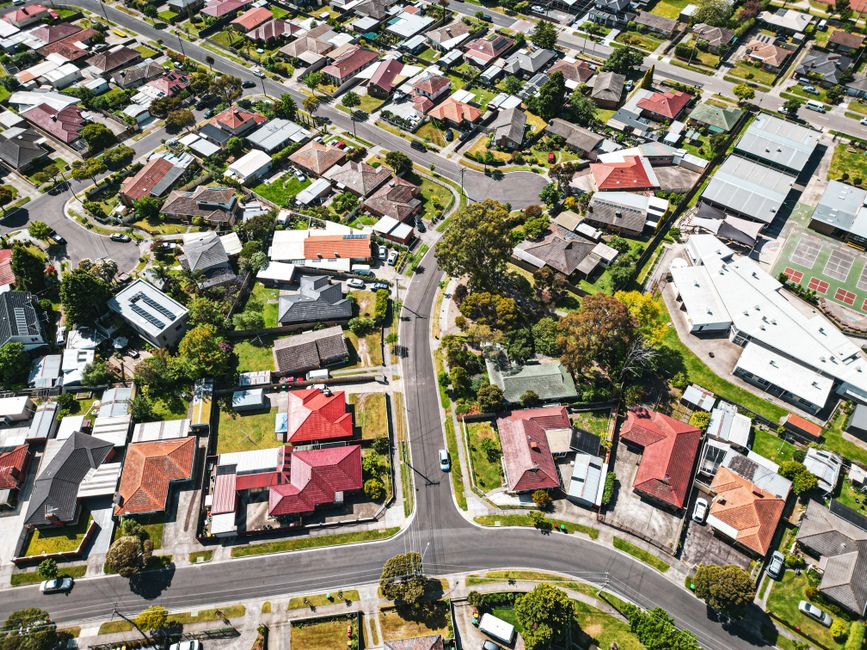
West End and New Farm are the inner-city lifestyle choices — culturally rich, expensive, and socially connected. Paddington and Red Hill are the Queenslander suburbs for families who want the character housing and the inner-west lifestyle. Fortitude Valley is the entertainment precinct that has become a genuine residential community. The northern suburbs (Ashgrove, Bardon, Keperra) offer the family suburb experience at middle-ring prices with Moggill Road access to the Valley.
Brisbane's subtropical climate — 283 days of sunshine annually — shapes daily life in ways that newcomers from Sydney and Melbourne often describe as transformative. The outdoor lifestyle, the morning exercise culture, and the year-round entertaining that Brisbane's weather enables reduce the cost and increase the quality of the leisure activities that constitute daily life.
Brisbane's public transport network has been significantly improved by the Cross River Rail and the Translink go card system. The ferry network across the Brisbane River is underutilised and excellent. The CBD is 10-20 minutes from most inner-ring suburbs by bus, ferry, or train.
This article was compiled by AI from the sources linked above and screened before publishing. See our editorial standards.
Daily Network
About this article
Published by The Daily Brisbane
Daily brief
Free, in your inbox before 7am. Weekdays.
More from The Daily Brisbane