From Empty Warehouse to Cultural Powerhouse: The Visionaries Behind Brisbane's South Bank Theatre Renaissance
A decade-long labour of love by local artists and entrepreneurs has transformed a neglected precinct into Australia's most dynamic performing arts hub.
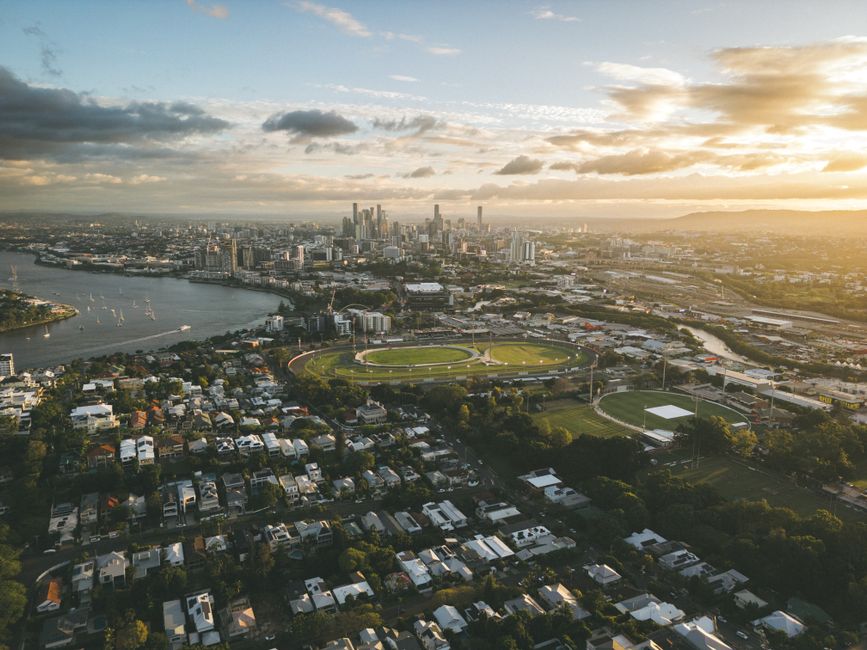
Walk through South Bank Parklands on any given evening and you'll see the fruits of an audacious vision: full theatres, bustling bars, and crowds spilling across Sidon Street. But this cultural vitality wasn't gifted to Brisbane—it was built by a determined collective of local creatives who saw potential where others saw decay.
The transformation began around 2015, when a loose network of theatre practitioners, set designers, and arts administrators noticed something troubling: Brisbane's performing arts scene was fragmented, under-resourced, and largely invisible to younger audiences. The Queensland Museum and Gallery of Modern Art anchored the precinct, but the spaces between felt abandoned. "There was this incredible infrastructure already here," recalls one of the early architects of the revival, "but nobody was connecting the dots."
What followed was a grassroots campaign to activate overlooked venues. The Playhouse Theatre, which had hosted productions sporadically, became a testing ground for experimental work. Independent theatre companies—many operating with budgets under $50,000 per production—began pooling resources. The Cremorne Theatre and La Boîte, both tucked into side streets off Grey Street, emerged as incubators for bold new work that mainstream venues wouldn't risk.
By 2020, despite pandemic lockdowns, something remarkable had crystallised. A coordinated calendar of performances, artist residencies, and community engagement programs created what locals now call the South Bank Scene. Data from Brisbane City Council shows attendance at performing arts venues across the precinct grew 34 per cent between 2019 and 2024—a period that included COVID-19 closures.
The people driving this weren't household names. They were lighting designers moonlighting as venue managers, set builders running arts collectives from converted warehouses on Merivale Street, and administrators who believed deeply that Brisbane deserved better. Many invested their own money. Several mortgaged homes to fund productions.
Today, that risk looks prescient. South Bank attracts interstate and international artists. The precinct generates an estimated $180 million annually in cultural tourism. Yet the architects of this success remain largely uncredited—busy running shows, mentoring emerging artists, and planning next season's program.
Their story matters because it reveals a truth about cultural development: it doesn't trickle down from governments or corporations. It bubbles up from people willing to bet on their community's potential, armed with nothing but conviction and a willingness to work for years without recognition.
This article was compiled by AI and screened before publishing. See our editorial standards.
Sponsored
SponsoredPromoted by a Brisbane partner
Partner Content
Lorem ipsum dolor sit amet, consectetur adipiscing elit. Reach engaged Brisbane readers with sponsored placements that look and feel like the rest of the paper.