Cost of Living in Brisbane: What You'll Actually Pay in 2025
Rent, utilities, dining and more — here is what life in Brisbane costs across the budget spectrum.
Rent, utilities, dining and more — here is what life in Brisbane costs across the budget spectrum.
Brisbane's cost of living has risen significantly over the past five years as the city's population growth and the 2032 Olympic investment narrative have driven property prices and rents upward from the lower base that once made Brisbane Australia's most affordable major city for housing. Brisbane is no longer cheap, but it remains materially less expensive than Sydney and slightly below Melbourne across most cost categories, while offering the climate premium that neither southern city can match.
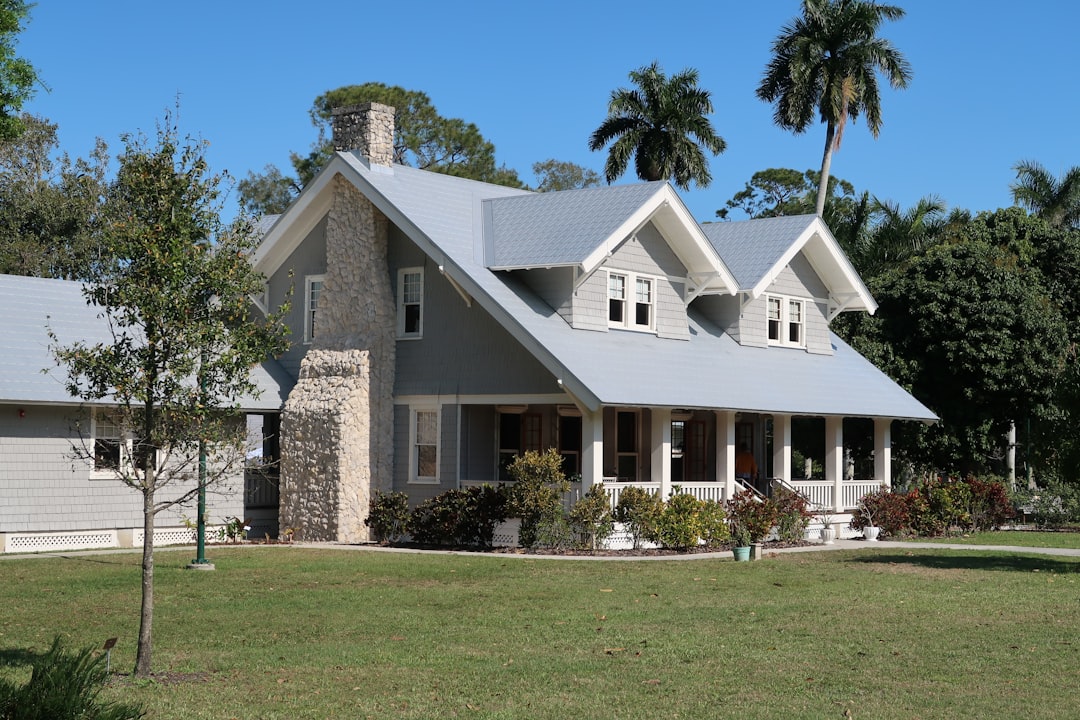
Housing — a one-bedroom apartment in the inner suburbs (New Farm, West End, Fortitude Valley) runs $400-$550 per week. A two-bedroom apartment is $500-$700. The median Brisbane house price is approximately $850,000 across the metropolitan area. Inner-city Queenslander houses (the classic elevated timber homes) command the strongest premium; the outer western and southern suburbs provide better value for buyers who can accept the commute.
Utilities — Brisbane's air conditioning cost is the utility bill variable that surprises southern arrivals. In January-March, Queensland summers require near-continuous air conditioning for houses without ceiling fans and insulation, adding $100-$200 per month to electricity bills compared to a Melbourne or Sydney winter/summer average. Solar panel payback in Brisbane's sunshine hours is excellent, and most new Brisbane homes incorporate solar as standard.
Groceries and food — weekly groceries for a couple run $100-$160. Brisbane's South East Asian grocery concentration (particularly in Sunnybank, Inala, and the Valley) provides excellent value fresh produce for those willing to shop beyond the major supermarkets. Dining out in Brisbane is generally 10-15% cheaper than Sydney equivalents of comparable quality.
Transport — Go Card fares cover bus, train, and CityCat ferry. The South East Queensland fare restructure (introduced 2024) reduced fares to 50 cents per trip, making Brisbane the most dramatically cheap public transport city in Australia. This transport cost reduction meaningfully improves Brisbane's overall cost of living comparison.
This article was compiled by AI and screened before publishing. See our editorial standards.
Sponsored
Lorem ipsum dolor sit amet, consectetur adipiscing elit. Reach engaged Brisbane readers with sponsored placements that look and feel like the rest of the paper.
Become a partner →Daily Network
About this article
Published by The Daily Brisbane
Daily brief
Free, in your inbox before 7am. Weekdays.
More from The Daily Brisbane