Inner City Brisbane Suburbs: Property Shift Away From Hotspots
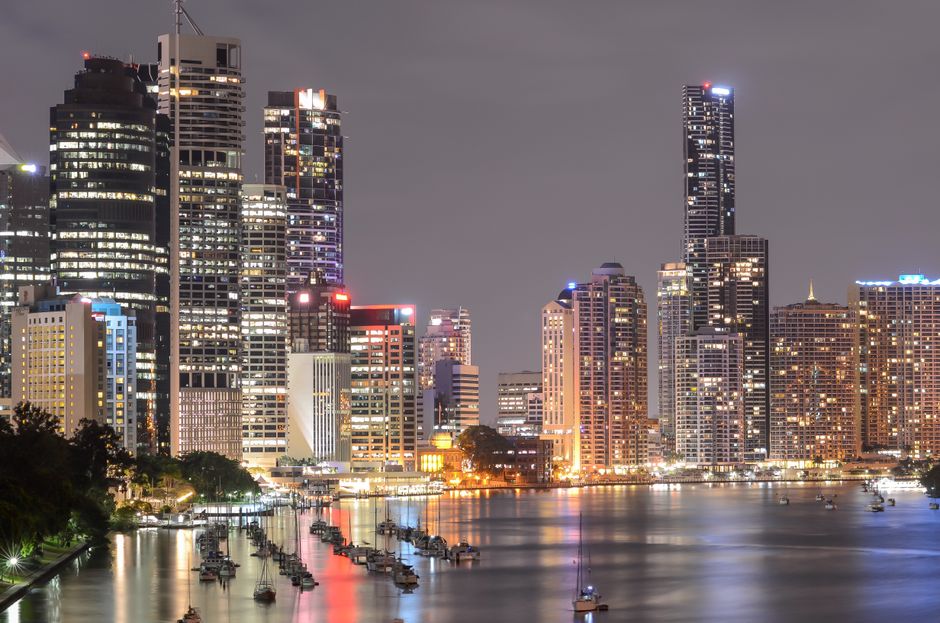
Brisbane buyers are moving away from established growth corridors to inner-city suburbs like West End and Fortitude Valley, finding better value near post-Olympics infrastructure.
Brisbane buyers are moving away from established growth corridors to inner-city suburbs like West End and Fortitude Valley, finding better value near post-Olympics infrastructure.
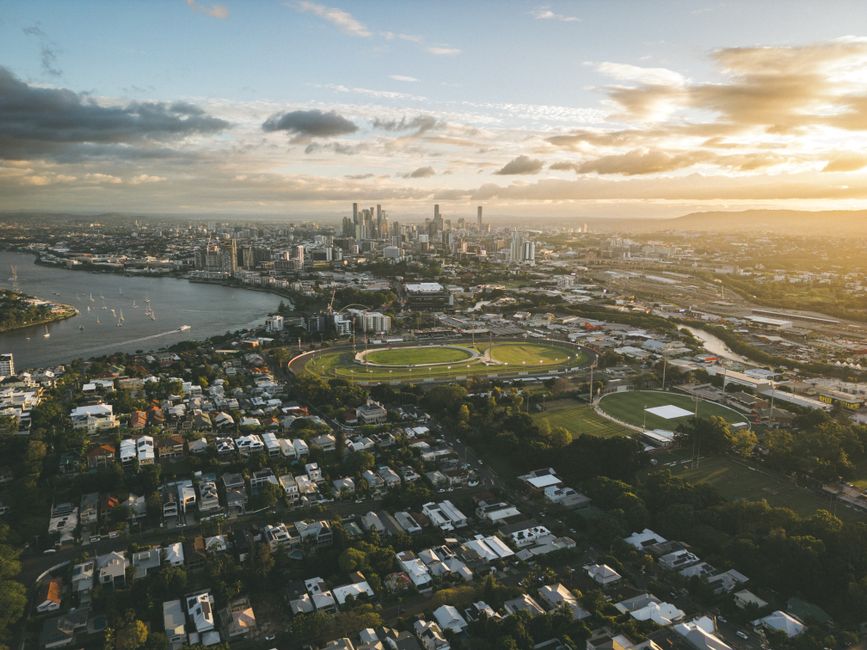
Brisbane's property market is experiencing a subtle but significant shift in buyer behaviour, with investment flowing away from traditionally hot suburbs and towards inner-city precincts that have long languished in the shadow of their more celebrated neighbours.
While the state grapples with a 14,000-home shortfall against targets, Brisbane itself is bucking broader construction trends. The city's post-Olympics infrastructure investment is proving a powerful drawcard, but not necessarily where developers expected.
Real estate agents report a notable warming in suburbs like West End, Fortitude Valley, and Paddington—areas previously dismissed as "established and settled." Properties in Fortitude Valley, once synonymous with unit living, are now attracting families seeking proximity to the CBD, schools, and the revitalised riverfront precincts. Houses here typically range from $950,000 to $1.3 million, positioning them as accessible alternatives to Toowong or Taringa, where comparable homes fetch considerably more.
The trend extends south. Woolloongabba and South Brisbane have emerged as unlikely beneficiaries, with renovated Queenslanders appreciating steadily as young professionals capitalise on walkability to the city and cultural precincts. A three-bedroom home in Woolloongabba now commands around $1.1 million—modest compared to nearby St Lucia, yet offering superior amenities.
"Interstate migration is reshaping demand patterns," explains local market analyst David Chen. "Buyers arriving from Sydney and Melbourne aren't chasing the same suburbs their Brisbane cousins do. They're prioritising walkability and infrastructure over postcodes alone."
The median Brisbane house price holding firm at approximately $780,000 masks significant micro-market variations. Northside suburbs from Clayfield to Ascot remain competitive, but price growth has plateaued. Meanwhile, careful observers note that inner-city pockets offer comparable capital growth trajectories with superior lifestyle factors—a calculus increasingly attractive to downsizers and young families.
However, headwinds loom. State-level housing targets remain under pressure, and federal policy uncertainty continues to spook investors considering new-build properties. This caution, paradoxically, benefits established inner-city stock, where proven rental yields and established communities appeal to risk-averse capital.
For Brisbane property hunters in 2024, the message is clear: the city's next wave of growth won't necessarily follow the highways north and south. It will follow the tram lines, cycling paths, and cultural precincts being woven through the inner city—places where infrastructure investment and buyer sentiment are quietly converging to reshape the market's centre of gravity.
This article was compiled by AI from the sources linked above and screened before publishing. See our editorial standards.
Daily Network
About this article
Published by The Daily Brisbane
Daily brief
Free, in your inbox before 7am. Weekdays.
More from The Daily Brisbane