South Bank's expat quarter is quietly reshaping how newcomers land in Brisbane
Migration agents, language schools, and community hubs are clustering in one inner-city pocket, creating an informal gateway for international arrivals.
Migration agents, language schools, and community hubs are clustering in one inner-city pocket, creating an informal gateway for international arrivals.
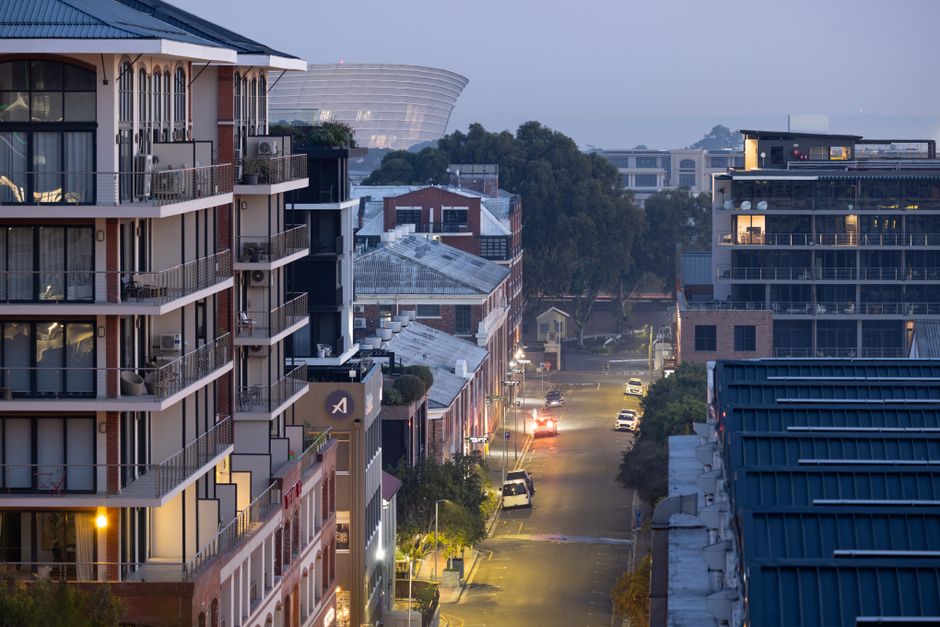
South Bank has become something other than a cultural precinct. Walk Cordelia Street on a Tuesday morning and you'll spot migration agents between the cafes, English-language academies squeezed into converted shop fronts, and community organisations offering settlement support to people who arrived in Brisbane less than six months ago. The neighbourhood is quietly transforming into an expat processing hub—and the change reveals something real about how Australian cities now absorb newcomers.
The shift matters because it marks a departure from how Brisbane traditionally handled migration. Newcomers once scattered across suburbs based on affordability or employer sponsorships. Today they're clustering in South Bank by design, drawn by services, proximity to the CBD for work, and established networks of people in the same boat. The Australian Bureau of Statistics reported 519,400 skilled migrants arrived in Australia in the year to June 2025, with Queensland absorbing its largest share in a decade. Brisbane's inner south is catching the overflow.
The Multicultural Communities Council of Queensland operates a settlement program from a small office on Grey Street, directing families toward housing, employment services, and school enrolment. Three streets over, on Merivale Street, the Skilled Migration Brisbane agency opened its doors in early 2024, specifically targeting Indian and Chinese professionals seeking visa sponsorships. Language schools have multiplied: ELS Language Centers relocated to a larger Grey Street space in March to handle demand for business English courses, and smaller operators like Australian English Academy occupy second-floor offices across the precinct.
What distinguishes South Bank from other Brisbane employment hubs is density. You can complete a migration visa application, enrol in a six-week English intensive, arrange rental accommodation through an expat-friendly property manager, and join a social networking group—all within a 400-metre walk. The South Bank Parklands administration has even begun coordinating with service providers to ensure newcomers know where to find these clusters. A spokesperson for the Parklands authority noted that foot traffic from international visitors and recent arrivals has sustained local hospitality businesses, particularly around Gondwana Avenue.
Real estate prices reflect the demand. One-bedroom apartments in South Bank averaged A$2,180 per month in June 2026, according to Domain Group data—roughly 18 percent higher than equivalent properties in Fortitude Valley, but markedly cheaper than inner-west suburbs like Paddington. For newly arrived expats earning 60,000 to 90,000 per year on skilled visas, the calculus works. Train access to the CBD takes nine minutes. The neighbourhood itself requires no car.
Immigration Agents Board figures show 47 registered migration agents now operate from South Bank postcodes, up from 19 in 2021. Employment agencies have spotted the trend too. A Brisbane-based recruitment firm, Staffing Solutions Australia, opened a dedicated migrant-placement desk in the precinct last year, handling placements for recently arrived nurses, engineers, and finance professionals into Queensland Health and other government departments.
But density brings growing pains. The South Bank Community Association flagged concerns in a May submission to Brisbane City Council about parking strain, with permit holders reporting 30-minute hunts for spaces on Cordelia Street during business hours. Language schools also compete for physical space—conversions to short-term student accommodation have reduced long-term rental stock. A real estate agent working the area noted that investors are now actively purchasing apartments specifically to lease to overseas students and newly arrived workers on temporary visas, a reversal of earlier investment patterns.
For anyone arriving in Brisbane on a skilled visa, the practical move is straightforward: secure a bedsit or short-term rental in South Bank for your first month, establish services through the agencies clustered there, then move to your preferred long-term neighbourhood once you've settled employment and understand the city. The infrastructure makes it the obvious landing zone. Whether it remains the gateway or becomes just another inner-city employment cluster depends on how quickly the infrastructure expands—and whether the city council can manage the mounting transport and housing pressure that clustering creates.
Advertise
Reach thousands of Brisbane readers daily. Contact us at hello@dailybrisbane.com.au to advertise.
Get in touch →Daily Network
About this article
Published by The Daily Brisbane
Daily brief
Free, in your inbox before 7am. Weekdays.
More from The Daily Brisbane