New to the River City: A Practical Guide for Navigating Brisbane Life
From securing a rental in West End to navigating the CityCat network, here is how to find your footing in Queensland’s capital this winter.
From securing a rental in West End to navigating the CityCat network, here is how to find your footing in Queensland’s capital this winter.
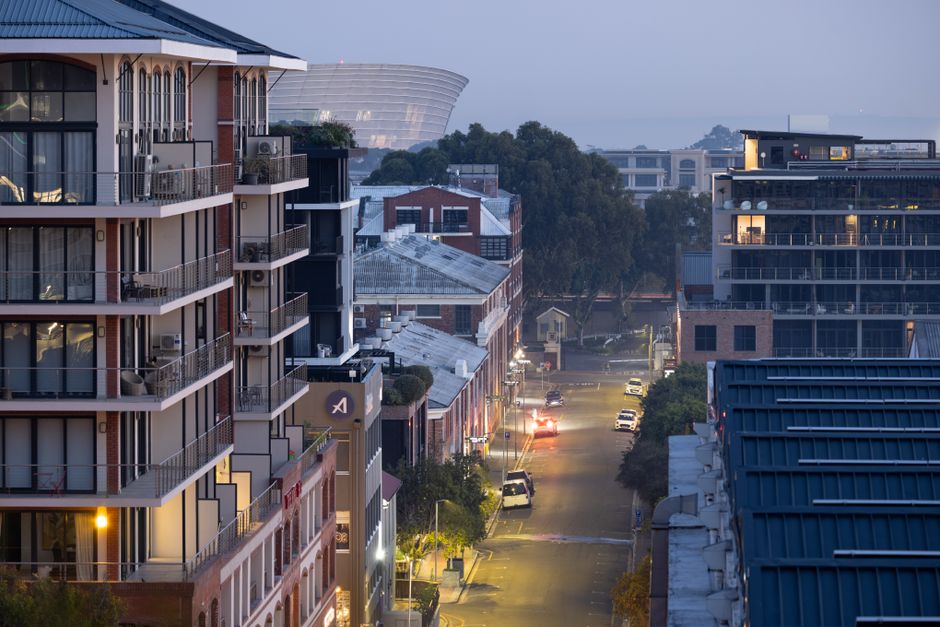
Brisbane’s population grew by 2.3 percent over the last financial year, and the latest data from the Australian Bureau of Statistics confirms that thousands of interstate and international arrivals are still choosing to make the move to Queensland. As the city matures into a pre-Olympic landscape, the challenge for newcomers has shifted from simply finding a roof over their heads to understanding the intricate rhythms of a sprawling river city.
Relocation is no longer just about geography; it is about infrastructure. With rental vacancy rates hovering around 0.9 percent across the Brisbane metropolitan area, the competition for housing remains fierce. Real estate agents in suburbs like New Farm and Paddington report that properties listed on Wednesday often host inspections by Friday, with successful applicants typically earning at least 30 percent above the median local income of $1,850 per week to stay ahead of the pack.
Public transport is the lifeline of the city. A newcomer’s first investment should be a Translink go card, which is essential for accessing the BCC CityCat fleet that traverses the Brisbane River between Northshore Hamilton and the University of Queensland at St Lucia. While the Cross River Rail project continues to reshape the central business district, commuters currently rely on the heavy rail network that converges at Roma Street Station, the city’s primary transit hub.
For those looking to escape the concrete, the Brisbane City Council’s 'Green Heart' program offers free workshops on sustainable gardening and waste management. It is a practical way to meet neighbours in a city where social circles are often defined by proximity to local hubs like the Davies Park Market in West End or the weekend buzz of the Eat Street Northshore precinct.
Lifestyle integration requires more than a map. Brisbane’s social life is decentralised, meaning residents often find their community within a five-kilometre radius of their home. For new arrivals, the 'Visit Brisbane' portal managed by Brisbane Economic Development Agency serves as a reliable calendar for regional events, ranging from major sporting fixtures at the Gabba to smaller gallery openings in the Fortitude Valley cultural precinct.
Budgeting for the current climate requires a shift in priorities. According to the July retail price index, fresh produce costs are relatively stable, with blackberries and brussels sprouts topping the value list for winter grocery shops. However, utility costs in Queensland continue to climb; the average household energy bill rose by 4.2 percent in the last quarter, making it vital for new renters to check the insulation ratings of pre-1980s timber homes, affectionately known as 'Queenslanders', before signing a 12-month lease.
The best advice for those settling in is to embrace the outdoor culture early. Whether it is cycling the 19 kilometres of riverside pathways from Newstead to the CBD, or joining a local community sports club, the city rewards those who show up. By the time spring arrives in September, you will likely find that the initial frustration of navigating a new postcode has been replaced by the habit of a Sunday morning walk through the Brisbane Botanic Gardens at Mt Coot-tha.
Advertise
Reach thousands of Brisbane readers daily. Contact us at hello@dailybrisbane.com.au to advertise.
Get in touch →Daily Network
About this article
Published by The Daily Brisbane
Daily brief
Free, in your inbox before 7am. Weekdays.
More from The Daily Brisbane


