By the numbers: what Brisbane's migration boom reveals about Australia's multicultural future
New data shows how rapidly the city's demographic makeup is shifting, with profound implications for housing, services and social cohesion.
New data shows how rapidly the city's demographic makeup is shifting, with profound implications for housing, services and social cohesion.
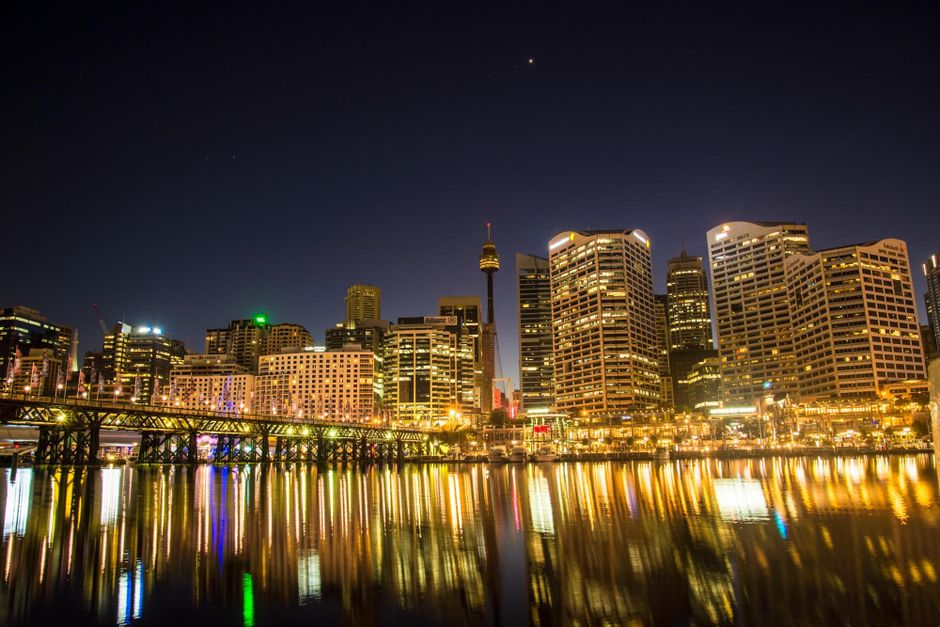
Brisbane's transformation into one of Australia's most culturally diverse cities is no longer anecdotal—the numbers tell a stark story of demographic acceleration that's reshaping everything from property markets to healthcare demand.
According to the latest Australian Bureau of Statistics data, the Brisbane metropolitan area's overseas-born population has surged to 38 per cent of residents, up from just 28 per cent a decade ago. That translates to roughly 1.2 million people born outside Australia, with the majority arriving since 2015. The influx has been particularly pronounced along the inner-city corridor, where suburbs like South Brisbane, West End, and Fortitude Valley now record overseas-born populations exceeding 55 per cent.
The velocity matters. Migration agents operating out of offices along Queen Street report processing 340 per cent more visa applications annually compared to 2020. Meanwhile, rental vacancy rates in popular migration hubs—Southbank, New Farm, and around the Fortitude Valley precinct—have plummeted from 3.2 per cent in early 2024 to 1.1 per cent today, driving median weekly rents to $650 for a two-bedroom apartment, up $145 in just 18 months.
But the story extends far beyond real estate. The Multicultural Communities Council of Queensland, headquartered in Woolloongabba, now coordinates settlement services for residents from 187 different countries. Mandarin-speaking residents have grown from 4.2 per cent of the population to 9.7 per cent, while Arabic-speaking communities increased from 2.1 per cent to 5.8 per cent. Hindi speakers jumped from 1.3 per cent to 3.4 per cent over the same period.
Education providers have adapted accordingly. Enrolments at English-as-a-second-language programmes run by Brisbane City Council have tripled since 2019, now serving 14,200 residents annually across 47 locations. Meanwhile, the state government allocated $28.4 million in the latest budget specifically for multicultural settlement services and community infrastructure projects.
Healthcare systems are under visible strain. Royal Brisbane and Women's Hospital now operates interpreting services in 34 languages daily, with demand increasing 22 per cent year-on-year. Emergency departments report wait times have extended 18 minutes on average since 2022, partly attributed to the surge in population without corresponding service expansion.
These numbers reveal a city in transition, grappling with both opportunity and pressure. Whether Brisbane's infrastructure, housing, and social services can keep pace with the acceleration remains the critical question for planners and policymakers.
This article was compiled by AI from the sources linked above and screened before publishing. See our editorial standards.
Daily Network
About this article
Published by The Daily Brisbane
Daily brief
Free, in your inbox before 7am. Weekdays.
More from The Daily Brisbane