Behind the Headlines: The Numbers Reshaping Brisbane's Local Government
Fresh council data reveals the scale of infrastructure challenges and spending priorities driving decision-making across Brisbane's political landscape.
Fresh council data reveals the scale of infrastructure challenges and spending priorities driving decision-making across Brisbane's political landscape.
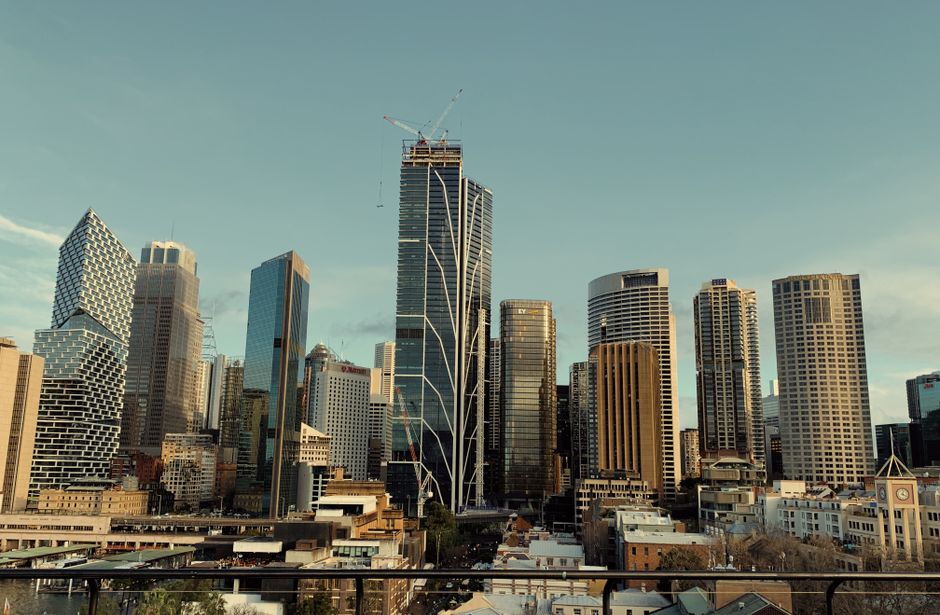
Brisbane's local government is grappling with decisions shaped by stark numerical realities that often escape public attention. Fresh figures released this financial year paint a picture of a city balancing growth against aging infrastructure and tight budgets.
The Brisbane City Council's 2026-27 budget, tabled last month, allocated $3.8 billion in operating expenditure across the sprawling local government area. Of that, pothole repairs and road maintenance consumed $487 million—a figure that has grown 12% year-on-year as the city's 1.3 million residents put increasing pressure on roads from Cairns to Coolangatta within council's jurisdiction. The South Bank Parklands alone required $24 million in maintenance this financial year, reflecting the wear on one of Australia's most-visited cultural precincts.
Population data tells another story entirely. Brisbane's suburbs recorded a median age of 39.2 years last census, yet outer suburbs like Flagstone and Greater Flagstone saw 34% population growth in the past five years. That expansion has created schooling and transport bottlenecks that statistics alone cannot fully capture. Council's Planning and Development department processed 8,347 development applications in 2025-26, up from 7,612 the previous year—a 9.6% increase that reflects the building boom coursing through Kangaroo Point, New Farm, and West End.
Yet fiscal pressures loom. Council's debt servicing costs reached $198 million this year, consuming nearly 5.2% of the operating budget. With Brisbane's population projected to hit 1.45 million by 2031, infrastructure investment needs are estimated at $6.2 billion over the next decade—a figure that assumes modest rate increases averaging 4.5% annually.
Water security statistics underscore another challenge. Brisbane Water's 2025-26 annual report showed the region consumed 354 gigalitres annually, with residential usage accounting for 58% of demand. Drought preparedness remains a live issue: the city's major dams sit at 79.3% capacity heading into winter, better than the historical average of 64%, but well below the 85% threshold authorities prefer.
Waste management data is equally revealing. The kerbside collection program across Brisbane's 1.06 million properties generated 1.847 million tonnes of material last year, with just 38% diverted from landfill—a metric council has committed to improving to 45% by 2030.
These numbers—often buried in council reports and departmental updates—represent the quantified backbone of local government decision-making. They shape which potholes get fixed, which development proposals advance, and which suburbs see new infrastructure investment first.
This article was compiled by AI from the sources linked above and screened before publishing. See our editorial standards.
Daily Network
About this article
Published by The Daily Brisbane
Daily brief
Free, in your inbox before 7am. Weekdays.
More from The Daily Brisbane