Brisbane's transport revolution gains momentum: This week's major infrastructure wins
Three critical projects hit significant milestones this week, bringing commuters closer to faster journeys across the city.
Three critical projects hit significant milestones this week, bringing commuters closer to faster journeys across the city.
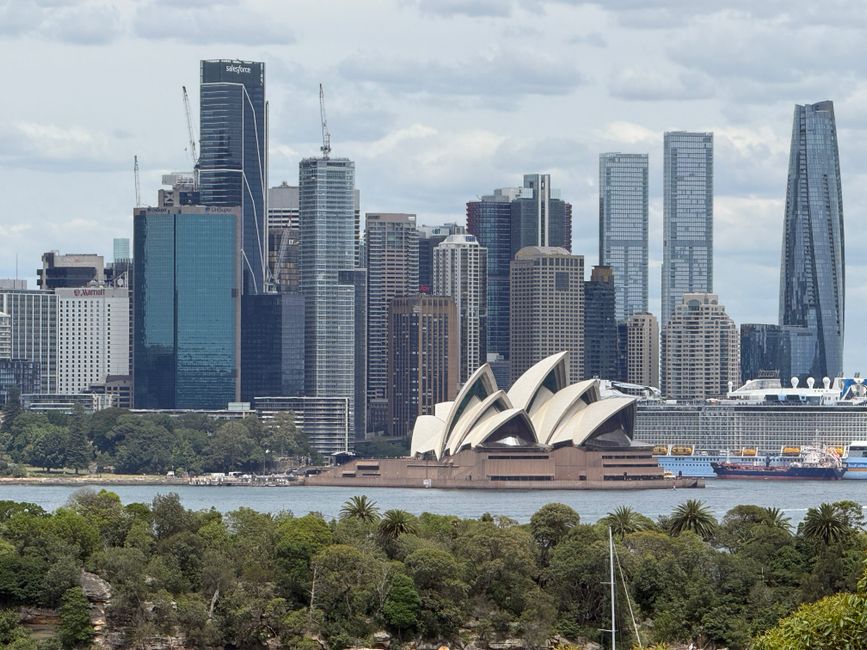
Brisbane's infrastructure landscape shifted measurably this week as three major transport initiatives advanced simultaneously, signalling a decisive push toward alleviating congestion across key corridors.
The most significant development came Monday when the Cross River Rail Authority released updated completion timelines for the inner-city tunnel section. The project, which will connect Dutton Park to Bowen Hills via a new underground railway, is now tracking toward a 2028 operational phase—six months ahead of previous estimates. Construction crews working beneath South Brisbane and past the cultural precinct have achieved 78 per cent completion on the main tunnel boring, with twin tunnels now extending well beyond Woolloongabba station.
Meanwhile, the Brisbane City Council approved a $340 million investment package for the Toowong to Indooroopilly corridor upgrade on Wednesday. The enhancement will widen key stretches of Coronation Drive and improve the Toowong roundabout, a notorious bottleneck for westbound commuters. The project, funded through state and federal grants alongside council contributions, is expected to reduce peak-hour delays by up to 15 minutes by 2030.
Perhaps most immediately felt by South Bank precinct visitors, the Gateway Bridge access ramp rehabilitation project wrapped ahead of schedule on Friday. The southern approach lanes, which have been narrowed since February, fully reopened to three-lane traffic by 5 p.m., restoring full capacity for the estimated 130,000 daily crossings. Transport officials credited better-than-expected material delivery and coordinated night-shift work for the acceleration.
The trio of announcements comes as Brisbane prepares for continued growth. Current modelling suggests the metropolitan area will add 700,000 residents over the next two decades, placing considerable pressure on existing infrastructure. The Cross River Rail alone is projected to remove approximately 13,000 cars from roads daily once operational, while the Coronation Drive improvements target congestion at one of the city's most-used arterial routes.
Still, challenges remain. The Cross River Rail's inner-city works have occasionally disrupted business activity in surrounding precincts, and some local groups remain concerned about construction impacts on heritage areas. Additionally, while these projects address critical bottlenecks, transport advocates argue Brisbane requires further investment in bus rapid transit corridors and cycling infrastructure to meet long-term sustainability targets.
For commuters, the practical impact should be felt incrementally. The Gateway Bridge improvements offer immediate relief, while Coronation Drive users will see gradual changes through 2028. Cross River Rail remains the crown jewel—a decade-long endeavour that, when complete, will fundamentally reshape how Brisbaneites move between the inner city and western suburbs.
This article was compiled by AI from the sources linked above and screened before publishing. See our editorial standards.
Daily Network
About this article
Published by The Daily Brisbane
Daily brief
Free, in your inbox before 7am. Weekdays.
More from The Daily Brisbane