Brisbane's Green Ambition by the Numbers: What the Data Reveals About Our Sustainability Push
As the city commits to carbon neutrality, new figures show just how far Brisbane has come—and how much further it needs to go.
As the city commits to carbon neutrality, new figures show just how far Brisbane has come—and how much further it needs to go.
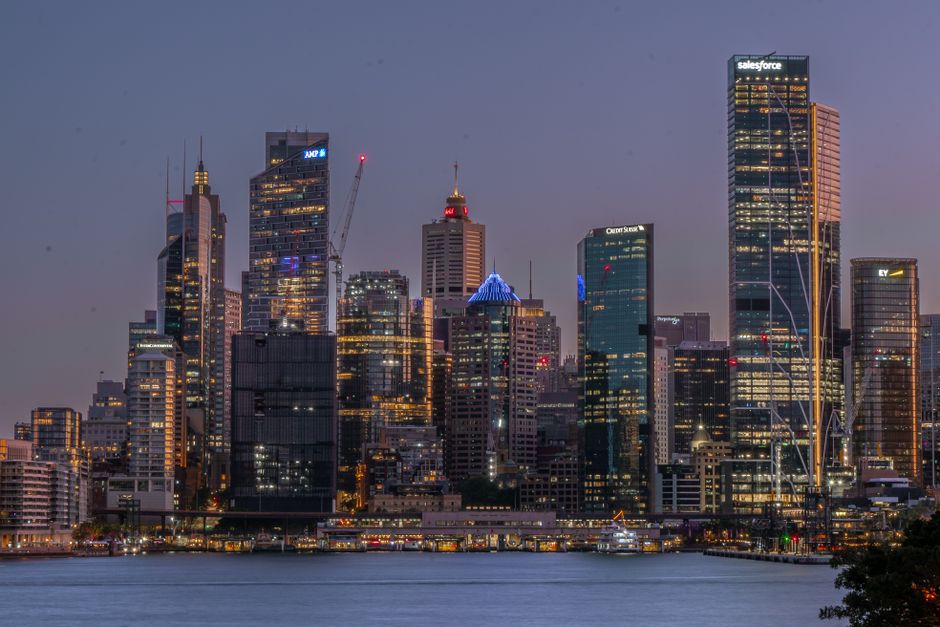
Brisbane's environmental credentials are increasingly defined not by rhetoric, but by hard numbers. New data released by the City Council reveals a complex picture of progress and persistent challenges as the Queensland capital races toward its 2032 Olympics sustainability targets.
The figures are striking. Brisbane's renewable energy generation has grown 340 per cent since 2015, with solar installations across South Bank Parklands, the Cultural Precinct, and residential suburbs like New Farm and Fortitude Valley now generating roughly 180 megawatts of combined capacity. Yet fossil fuels still account for 62 per cent of the city's electricity supply—a gap that highlights the scale of the transition ahead.
Water consumption tells a similar story. Greater Brisbane's per-capita usage dropped from 184 litres daily in 2015 to 156 litres in 2025, an 15 per cent reduction driven partly by drought awareness and investment in recycled water schemes serving precincts from Kangaroo Point to Carindale. However, demand projections suggest consumption will climb to 168 litres per person by 2031 without further intervention.
Tree canopy coverage—a metric increasingly used to measure urban livability—has expanded by 2.3 percentage points across the metropolitan area since 2018, now covering 21.4 per cent of greater Brisbane. The City Council has planted 127,000 native trees in the past four years, with concentrated efforts in the western suburbs where coverage lags at 15 per cent. Targets for 2030 aim to reach 25 per cent canopy coverage city-wide.
Waste diversion from landfill sits at 71 per cent, up from 58 per cent a decade ago—though contamination rates in kerbside recycling remain problematic at 12 per cent, according to council audits. The industrial precinct along the Port of Brisbane has reduced waste by 34 per cent through circular economy initiatives.
Perhaps most tellingly, Brisbane's greenhouse gas emissions fell 8 per cent between 2020 and 2024, reaching 5.2 tonnes per capita annually. The council's net-zero target requires a further 75 per cent reduction by 2032—a trajectory that economists suggest requires investment exceeding $4.2 billion in sustainable infrastructure.
The data underscores a uncomfortable reality: Brisbane's environmental progress, while measurable and genuine, remains incremental relative to the accelerating climate crisis. The next six years will determine whether these numbers represent meaningful transformation or merely a slower pace toward an unsustainable future.
This article was compiled by AI from the sources linked above and screened before publishing. See our editorial standards.
Daily Network
About this article
Published by The Daily Brisbane
Daily brief
Free, in your inbox before 7am. Weekdays.
More from The Daily Brisbane