Brisbane's sustainability leaders chart path forward as city targets net-zero by 2035
Environmental officials and experts outline ambitious plans for green infrastructure, renewable energy, and circular economy shifts across Queensland's capital.
Environmental officials and experts outline ambitious plans for green infrastructure, renewable energy, and circular economy shifts across Queensland's capital.
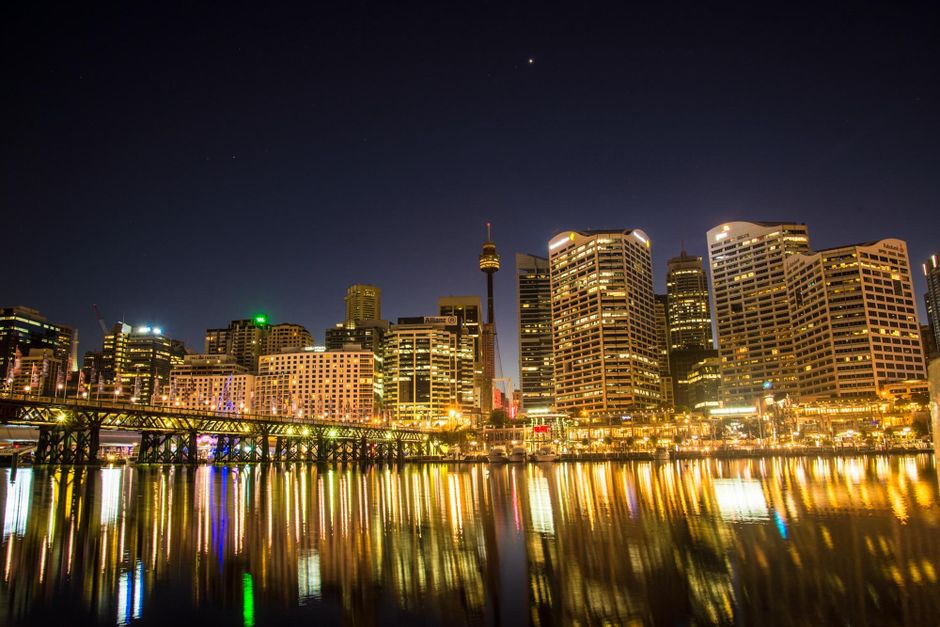
Brisbane's environmental leadership is entering a critical phase, with senior officials and sustainability experts laying out a detailed roadmap for the city's net-zero transition over the next decade.
At a sustainability forum hosted last week at the Queensland Museum in South Bank, Brisbane City Council's environmental strategy team outlined plans to retrofit over 12,000 public buildings with solar panels and battery storage systems. The council has allocated $340 million toward this initiative, targeting a 45 per cent reduction in council-operated emissions by 2030.
"The scale of change required is unprecedented, but the economic opportunity is equally significant," said a spokesperson from the Brisbane City Council's climate action unit, noting that renewable energy costs have fallen by 70 per cent over the past five years, making solar deployment increasingly viable across residential and commercial properties in suburbs from Fortitude Valley to Greenslopes.
Industry experts emphasised the importance of collaboration. Representatives from the Brisbane Sustainability Institute, based at the University of Queensland's St Lucia campus, highlighted recent data showing that Brisbane's commercial sector accounts for 42 per cent of the city's total emissions. They've called for mandatory energy audits in office buildings along the CBD's major precincts, including Queen Street and the emerging tech hubs in Newstead.
Circular economy initiatives are gaining traction too. A new waste-to-resources facility opening in Docklands next year will process construction and demolition waste, diverting an estimated 85,000 tonnes annually from landfills. Local materials recovery experts stressed that up-cycling these resources into usable building materials could reduce transportation emissions while supporting local manufacturing jobs.
Water security remains a pressing concern. With Brisbane's population projected to reach 2.5 million by 2036, sustainability leaders are advocating for mandatory rainwater harvesting systems in new residential developments across growth corridors like Ripley and Yarrabilba. Current council guidelines require such systems in commercial buildings but not in homes, a gap officials say must be addressed.
Public transport expansion is central to the transition narrative. While the Cross River Rail project nears completion, environmental advocates are pushing for prioritisation of bus rapid transit corridors extending from the CBD through inner suburbs including West End and Spring Hill, aiming to reduce car dependency significantly.
Despite ambitious rhetoric, some experts urged caution about delivery timelines. They noted that achieving net-zero requires sustained political commitment beyond electoral cycles, alongside substantial upfront investment in workforce training for green industries—skills currently in short supply across South East Queensland.
This article was compiled by AI from the sources linked above and screened before publishing. See our editorial standards.
Daily Network
About this article
Published by The Daily Brisbane
Daily brief
Free, in your inbox before 7am. Weekdays.
More from The Daily Brisbane