By the Numbers: What Brisbane's Neighbourhood Renewal Data Reveals About Inner-City Revival
Property values, rental costs and foot traffic metrics tell the story of how suburbs like South Brisbane and Fortitude Valley are reshaping themselves.
Property values, rental costs and foot traffic metrics tell the story of how suburbs like South Brisbane and Fortitude Valley are reshaping themselves.
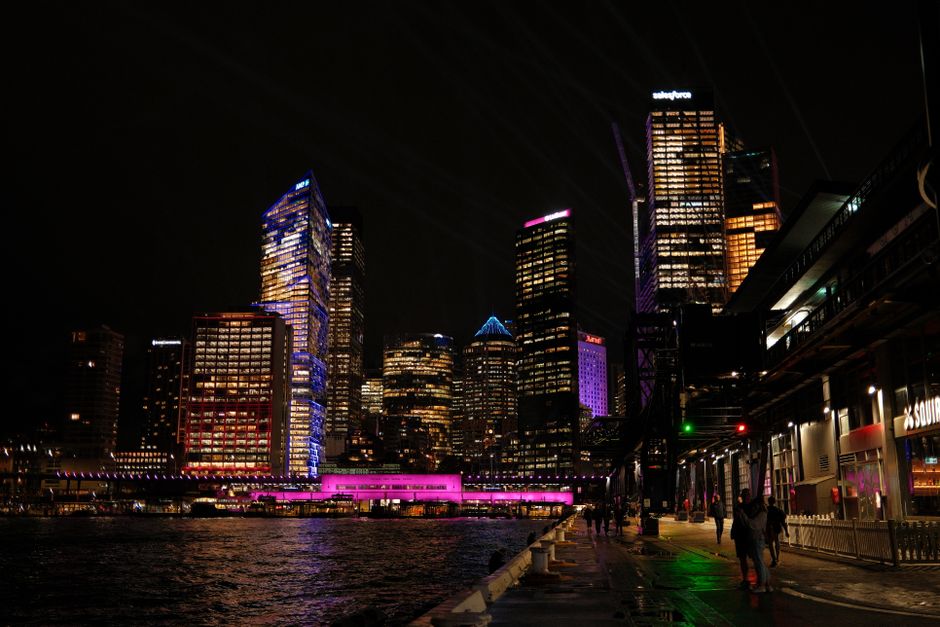
Behind every success story of urban renewal lies a trail of numbers. In Brisbane, the data painting the most compelling picture centres on the inner-city suburbs experiencing transformation—and the statistics reveal a city in genuine flux.
South Brisbane has emerged as the bellwether. Real estate data from the past 18 months shows median apartment prices have climbed 23 per cent to $685,000, while rental vacancy rates have compressed from 4.2 per cent to just 1.8 per cent. The South Bank Parklands precinct now attracts approximately 8.2 million visitors annually, up from 6.1 million in 2024. Council figures indicate foot traffic along Grey Street during peak weekend hours averages 2,847 pedestrians per hour—a 31 per cent increase year-on-year.
Fortitude Valley tells a parallel story through different metrics. Small business registrations in the valley jumped 18 per cent in the past two years, while the average rent for ground-floor retail space has escalated from $385 per square metre to $527—a 37 per cent surge that reflects both demand and displacement pressures.
But the neighbourhood story extends beyond property. A Brisbane City Council community survey of 2,400 residents across five inner suburbs released in May found that 67 per cent felt their neighbourhood had improved in the past three years, up from 44 per cent in 2023. Yet that same survey revealed affordability concerns: 73 per cent of renters reported difficulty accessing housing within their preferred postcode, a 12-percentage-point increase since 2024.
Newstead and Bowen Hills present a different curve. Median house prices here sit at $1.24 million—still below comparable inner-west Melbourne suburbs but up 41 per cent from 2022. However, household tenure data shows owner-occupancy declining: renters now comprise 58 per cent of the residential population, compared to 51 per cent four years ago.
The data also tracks social cohesion. Libraries across South Brisbane and Fortitude Valley recorded 145,000 visits in the first quarter of 2026, suggesting strong community engagement despite rapid demographic change. Local volunteer organisation sign-ups at venues like the Valley Community Centre average 34 new registrations monthly.
These numbers—price movements, vacancy rates, visitor counts, business registrations—form the statistical architecture of how Brisbane's neighbourhoods are evolving. They reveal both opportunity and tension: growth that energises some residents while creating pressure points for others. Understanding the data helps explain why renewal stories rarely fit a simple narrative.
This article was compiled by AI from the sources linked above and screened before publishing. See our editorial standards.
Daily Network
About this article
Published by The Daily Brisbane
Daily brief
Free, in your inbox before 7am. Weekdays.
More from The Daily Brisbane