Voices of Change: How Southside Residents Are Shaping Brisbane's $15 Billion Transport Future
As major infrastructure projects reshape South Brisbane, affected community members are making their concerns—and hopes—heard loud and clear.
As major infrastructure projects reshape South Brisbane, affected community members are making their concerns—and hopes—heard loud and clear.
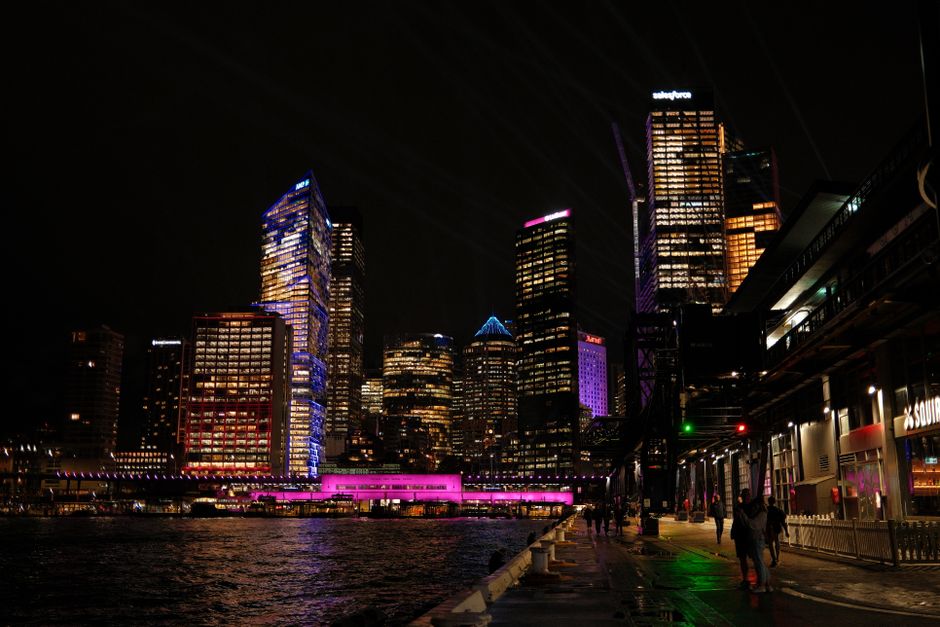
The sound of construction has become the soundtrack to life in Southbank and East Brisbane, where a series of overlapping transport megaprojects are fundamentally reshaping the urban landscape. But while planners and engineers chart the city's future, residents living in the thick of it are grappling with a more immediate reality: closed streets, relocated businesses, and years of disruption.
"You can't plan your life when you don't know what the South Bank Parklands will look like in two years," says one local business operator near the Cultural Precinct, reflecting sentiments echoed across multiple affected suburbs. The Cross River Rail project alone, Australia's largest infrastructure investment at $15.8 billion, has directly impacted thousands of residents and workers along the Dutton Park to Bowen Hills corridor.
The Southbank Community Association has emerged as a key voice in these discussions, hosting monthly forums where affected residents—from apartment dwellers to shopkeepers on Grey Street—air grievances and propose solutions. Traffic modelling suggests the South Brisbane gateway will experience 23 per cent increases in vehicle movements during peak hours over the next three years, a prospect causing genuine anxiety among parents navigating school runs and delivery drivers serving the precinct's hospitality sector.
"The communication gap is real," notes a spokesperson from the East Brisbane Residents Group. "People want transparency about timelines and genuine consultation, not just notifications after decisions are made." The group has successfully lobbied for improved pedestrian access around the Fortitude Valley construction zones, resulting in modified diversion routes that avoid isolating vulnerable residents.
Yet the narrative isn't uniformly negative. Anticipation is building for what comes next. The Cross River Rail's planned stations—particularly the underground terminal in Dutton Park—promise to reduce commute times by up to 17 minutes for thousands of inner-south residents. Local traders are cautiously optimistic, with several investing in upgrades ahead of improved foot traffic post-completion in 2028.
The Brisbane City Council has pledged $2.3 million in community support grants for affected small businesses, though some say the process remains opaque. Meanwhile, the Queensland Museum's relocations to Southbank have sparked unexpected cultural investment, benefiting nearby venues and creating temporary employment.
As cranes dominate the skyline from Kangaroo Point to South Brisbane, one truth remains clear: this transition phase belongs not just to planners, but to the people navigating daily disruption. Their voices—channelled through community groups, council submissions, and grassroots activism—are increasingly shaping how Brisbane's transport revolution actually unfolds on the ground.
This article was compiled by AI from the sources linked above and screened before publishing. See our editorial standards.
Daily Network
About this article
Published by The Daily Brisbane
Daily brief
Free, in your inbox before 7am. Weekdays.
More from The Daily Brisbane