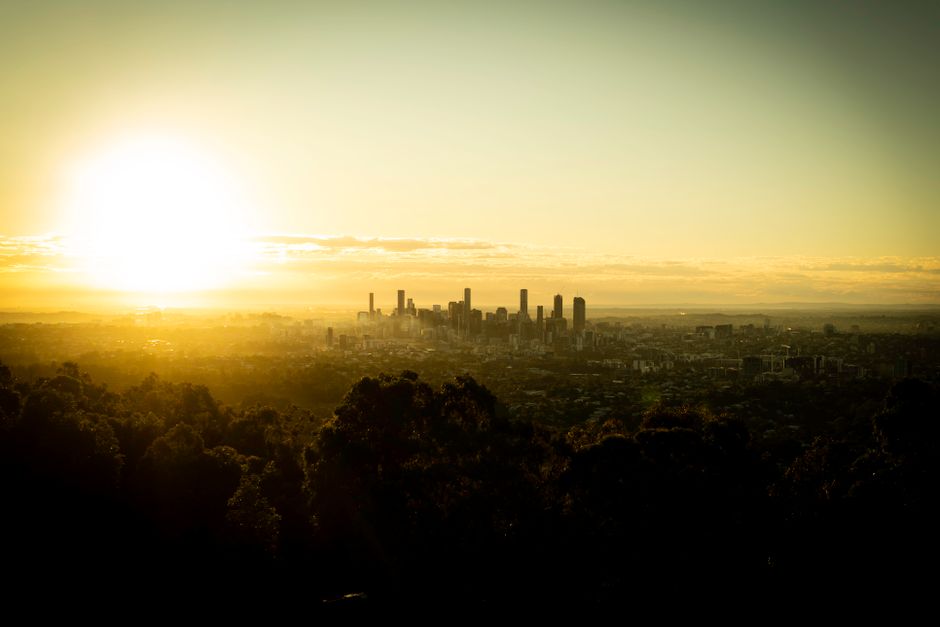
Brisbane's transformation into an Olympic host city is unfolding at a notably different pace than the frantic final years experienced by recent Summer Games predecessors, offering a case study in measured urban planning versus the construction chaos that plagued Paris 2024 and Tokyo 2020.
The South Bank precinct remains the heartbeat of Brisbane's Olympic vision, with the renovated Queensland Museum and Gallery of Modern Art serving as cultural anchors. Yet the broader infrastructure picture reveals a city attempting what Paris struggled with: balancing heritage preservation with Olympic-scale development. The proposed Metro transit system—designed to link the CBD to Southbank and beyond—represents Brisbane's most ambitious comparative advantage over cities that relied heavily on existing networks.
Unlike Los Angeles 2028, which is deliberately avoiding new stadium construction by leveraging existing venues across Southern California, Brisbane is taking a middle path. The Gabba in Woolloongabba receives significant upgrades, while temporary venues in suburban precincts like Ipswich and the Gold Coast distribute sporting events geographically. This dispersal strategy contrasts sharply with Tokyo's concentrated development model, which created infrastructure white elephants post-Games.
Cost management presents another critical distinction. While Paris reported expenditure exceeding €10 billion, Brisbane's published budget sits around AU$5 billion for Olympic-specific infrastructure. However, experts warn that hidden costs—similar to overruns that plagued Melbourne's infrastructure projects—could reshape these figures. The state government's commitment to funding appears steadier than the political volatility that hamstrung Tokyo's preparations.
Transport connectivity tells the story most vividly. The proposed Brisbane Olympic and Paralympic Village in Southbank positions athletes within walking distance of venues, echoing Paris's success in creating compact Olympic quarters. Compare this to Tokyo's sprawling athlete accommodations, and Brisbane appears to have absorbed crucial lessons about urban efficiency.
Local businesses in Fortitude Valley and West End report cautious optimism about Olympic-related development, though concerns about displacement and gentrification mirror anxieties that emerged in Paris's outer suburbs. The city's decision to integrate Olympic infrastructure into permanent urban renewal projects—rather than constructing temporary structures—suggests a longer-term vision than Athens 2004, where abandoned Olympic facilities became cautionary monuments to poor planning.
Six years from the opening ceremony, Brisbane's greatest challenge may prove not construction speed, but ensuring that Olympic infrastructure serves residents long after the flame extinguishes. The city's measured timeline offers genuine advantages over the breathless urgency that defined previous Games.
This article was compiled by AI from the sources linked above and screened before publishing. See our editorial standards.