By the Numbers: What Brisbane's Housing Crisis Really Looks Like
New data reveals the scale of Brisbane's affordability squeeze, with median house prices and rental costs painting a stark picture for planners and policymakers.
New data reveals the scale of Brisbane's affordability squeeze, with median house prices and rental costs painting a stark picture for planners and policymakers.
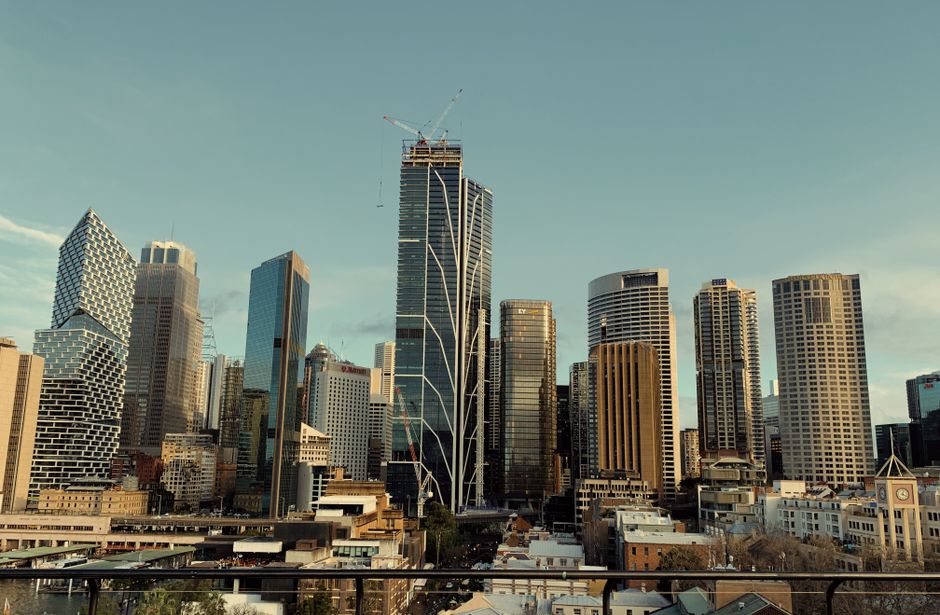
Brisbane's housing narrative is increasingly told through spreadsheets rather than sentiment. And the numbers tell a story that urban planners at City Hall are struggling to ignore.
The latest quarterly data shows Brisbane's median house price has reached $842,000—a 23 per cent increase over just three years. In inner-city precincts like Kangaroo Point and New Farm, the median now exceeds $1.2 million, effectively locking out first-time buyers who, according to Real Estate Institute of Queensland figures, typically have saved deposits averaging $95,000. That leaves a gap of over $190,000 even before accounting for stamp duty and legal fees.
Rental pressure tells an equally compelling story. A two-bedroom apartment in the CBD now averages $2,450 per month—up 34 per cent since 2021. In outer suburbs like Doolandella and Inala, where city planners had hoped to ease pressure, median rents have climbed to $1,980. For a household earning the Queensland average of $68,000 annually, rental costs consume roughly 35 per cent of income—well above the 30 per cent benchmark economists consider sustainable.
The data driving Brisbane City Council's recent planning overhaul is equally revealing. Analysis of development applications submitted to the local government shows only 8 per cent of approved projects between 2022 and 2025 included affordable housing components. In contrast, council's own housing strategy targets 15 per cent affordable stock in new developments by 2030.
Supply figures underscore the mismatch. Brisbane requires approximately 14,500 new dwellings annually to keep pace with population growth and maintain housing stock stability, according to Queensland Government projections. Current approvals and construction pipelines show Brisbane delivering closer to 11,200 units per year—a shortfall of roughly 3,300 homes annually.
Transit-oriented development around stations like South Bank and Fortitude Valley shows promise: apartment vacancy rates in these precincts hover around 2.1 per cent, compared to 3.8 per cent across greater Brisbane. However, the average price per square metre for new apartments in these areas—$18,500—remains inaccessible for lower-income renters.
Council documents reveal a critical insight: 62 per cent of Brisbane renters earning below $50,000 annually spend more than 40 per cent of income on housing. That cohort now comprises nearly 180,000 households across the city.
Planners and policymakers face a data-driven reality. Without substantial intervention—whether through density bonuses, inclusionary zoning requirements, or accelerated approvals for affordable schemes—Brisbane's housing crisis will shift from affordability concern to social fracture. The numbers, at least, are unambiguous.
This article was compiled by AI from the sources linked above and screened before publishing. See our editorial standards.
Daily Network
About this article
Published by The Daily Brisbane
Daily brief
Free, in your inbox before 7am. Weekdays.
More from The Daily Brisbane