Cross River Rail residents speak out: 'We've paid the price for Brisbane's future'
As the major transport project enters its final phase, commuters and business owners from affected suburbs share their hopes and frustrations.
As the major transport project enters its final phase, commuters and business owners from affected suburbs share their hopes and frustrations.
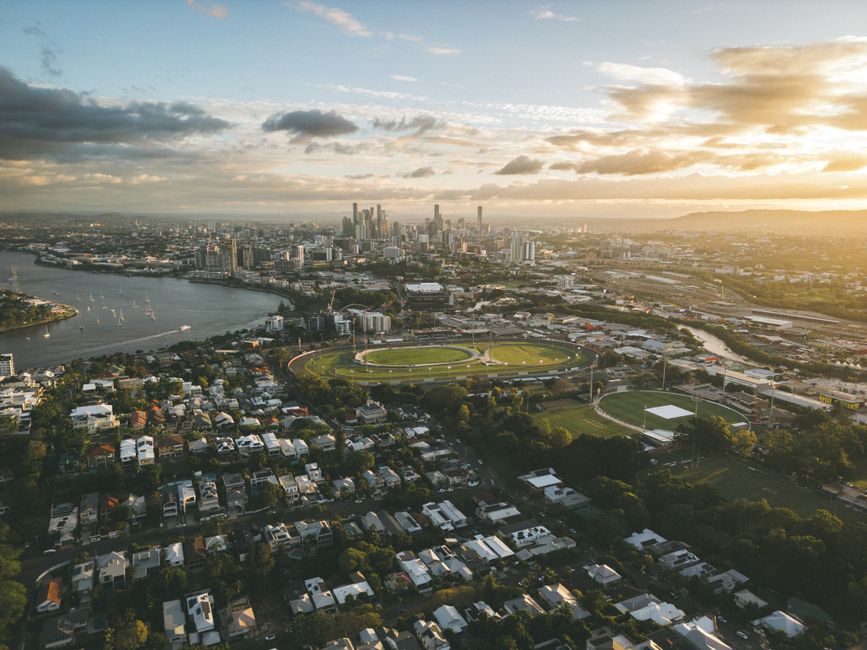
For nearly a decade, residents and traders along the Cross River Rail corridor have endured roadworks, noise, and disruption. Now, as the $16.8 billion project approaches completion, those most affected are finally having their say on what the massive infrastructure transformation will mean for their communities.
The elevated guideway stretching from Bowen Hills through Fortitude Valley and into the CBD has reshaped daily life for thousands. Small business owners in Woolloongabba and South Brisbane report customer numbers have fluctuated wildly during construction phases, while commuters from suburbs like Dutton Park have wrestled with changed traffic patterns and reduced parking availability.
"We've been patient, but patience has its limits," says a spokesperson from the Fortitude Valley Business Association, which represents over 300 enterprises in the inner-city precinct. The association has documented concerns about pedestrian access, construction timing, and the need for clearer communication about project milestones. Despite these challenges, many stakeholders acknowledge the long-term benefits are becoming visible.
Local transport advocacy groups report cautious optimism. The project promises to move 10,000 additional passengers daily when fully operational, potentially reducing congestion on the South Eastern Freeway and along the Ipswich Motorway. For residents in West End and Annerley, who currently face 45-minute commute times during peak periods, the prospect of express rail services to the CBD represents genuine relief.
However, concerns persist about affordability. Current fare structures haven't been finalised, and residents worry about pricing parity with existing bus services that serve their suburbs. "We need assurance this isn't just infrastructure for the inner-city wealthy," notes community feedback documented by the South Brisbane Community Association.
Environmental groups have raised separate concerns about urban development around new stations. Property speculation near Woolloongabba and the Valley stations threatens the character of established neighbourhoods, they argue, particularly regarding affordable housing availability.
Queensland Rail and the State Government have committed to regular community consultation through to the project's completion next year. Information sessions are scheduled monthly at venues including the State Library, South Bank Parklands, and local community centres.
The Cross River Rail represents Brisbane's biggest transport investment in 30 years. For the thousands who've navigated its construction, the real test begins when the first trains run—whether the promised transformation actually delivers equitable, accessible outcomes for all communities, not just the connected inner-city few.
This article was compiled by AI from the sources linked above and screened before publishing. See our editorial standards.
Daily Network
About this article
Published by The Daily Brisbane
Daily brief
Free, in your inbox before 7am. Weekdays.
More from The Daily Brisbane